Capsaicin – The Compound Behind Chili’s Spiciness: Characteristics, Applications and Precautions


Capsaicin is the primary compound responsible for the characteristic heat in chili peppers (Capsicum spp.). More than just a burning sensation, capsaicin is a potent bioactive molecule with diverse applications across food, medicine, cosmetics, and agriculture.
Let’s explore with VIPSEN the key properties, uses, and important regulations when using this powerful compound!
Overview of Capsaicin
Capsaicin belongs to the capsaicinoid group and is the chemical responsible for the spicy heat of chili peppers. Within the fruit, it is most concentrated in the white pith that holds the seeds, rather than in the flesh. Capsaicin and its saturated analog, dihydrocapsaicin, account for about 90% of total capsaicinoid content and are the most pungent components.
1. Chemical Structure
- Molecular Formula: C₁₈H₂₇NO₃
- IUPAC Name: trans-8-methyl-N-vanillyl-6-nonenamide
- Structure: Composed of three main parts – an aromatic ring (vanillyl group), an amide bond, and a long hydrophobic hydrocarbon tail.

2. Physicochemical Properties
- Organoleptic/Appearance: Colorless solid, insoluble in water, but highly soluble in ethanol, acetone, and other organic solvents.
- Melting Point: ~62–65°C
- Boiling Point: ~210–220°C
- Pungency is measured in Scoville Heat Units (SHU), varying by chilli pepper type. reaches approximately 16 million SHU on the Scoville scale.
3. Biological Mechanism of Action
Capsaicin binds specifically to the TRPV1 (Transient Receptor Potential Vanilloid 1) receptor – also known as the vanilloid receptor – located on pain-sensing neurons. TRPV1 is a heat-sensitive ion channel, so when activated by capsaicin, it creates a burning sensation similar to thermal burns. As a result, it triggers pain signals, a sensation of heat and spiciness, and a localized inflammatory response known as neurogenic inflammation.
However, with repeated exposure, these sensory neurons become desensitized due to the depletion of substance P, a neuropeptide involved in transmitting pain. This leads to temporary reduced sensitivity to pain.
Interestingly, TRPV1 receptors in birds are not activated by capsaicin, meaning birds can eat chili peppers without experiencing spiciness. This is believed to be a seed dispersal strategy of chili plants—birds consume and spread the seeds, while mammals, which feel the heat, avoid eating the fruit.
Applications of Capsaicin
Capsaicin is widely used in various industries:
1. In Food
- Adds spicy flavor to dishes and processed products
- Has mild antibacterial and antioxidant properties
- Helps preserve food by inhibiting microbial growth
2. In Pharmaceuticals:
- Key active in topical pain relief creams for muscle, joint, and nerve pain
- Used in high-dose pain relief patches (e.g., Qutenza)
- Studied for its role in boosting metabolism and potential benefits in obesity management
3. In Cosmetics
- Present in warming creams, massage gels, and fat-burning products
- Stimulates blood circulation, helping firm skin and reduce cellulite
- Some hair care products include capsaicin to improve scalp blood flow
4. In Agriculture and Industry:
- Acts as a natural repellent against insects and animals
- A key ingredient in pepper spray and eco-friendly biopesticides
- Applications in biomedical research related to pain and inflammation
Important Notes for Manufacturers Using Capsaicin:
Capsaicin is known as a potent irritant to the skin, mucous membranes, and eyes. According to the GHS (Globally Harmonized System of Classification and Labeling of Chemicals), capsaicin is classified as a Category 2 skin irritant and Category 2A eye irritant – exposure may cause skin erythema, severe eye burning, tearing, and conjunctivitis. Inhalation of capsaicin powder or aerosol can result in coughing, laryngeal spasm, and difficulty breathing. Therefore, products with high concentrations of capsaicin must include appropriate warning labels.
1. In Food
- The U.S. FDA lists capsaicin (and hot chili extracts) as GRAS (Generally Recognized as Safe) when used as a standard spice. No specific limit is defined, but safety and suitability for use must be ensured.
- The European Food Safety Authority (EFSA) has not approved pure capsaicin as a food additive but does allow natural spices that contain capsaicin.
2. In Pharmaceuticals:
- FDA approves a maximum capsaicin concentration of 0.025% for over-the-counter topical medications.
Capsaicin is a versatile compound with a wide range of applications, from culinary uses to medicine, but it should be used with caution to avoid irritation and side effects.
Chili Oleoresin – VIPSEN’s Capsaicin-Rich Extract
Capsicum Oleoresin is a concentrated extract from chili peppers, rich in capsaicinoids, especially capsaicin, known for its versatility and intense heat.
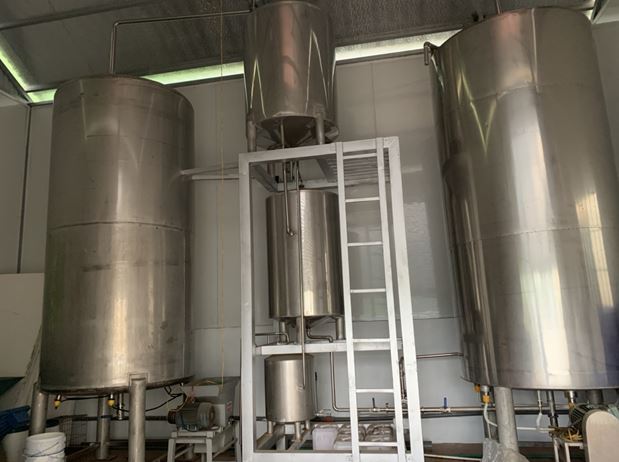
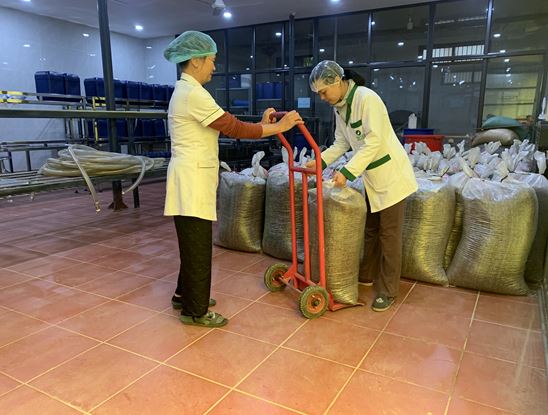
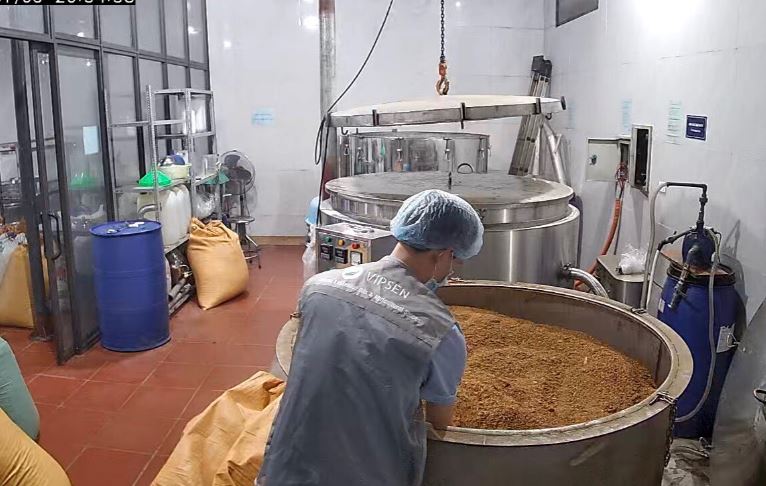
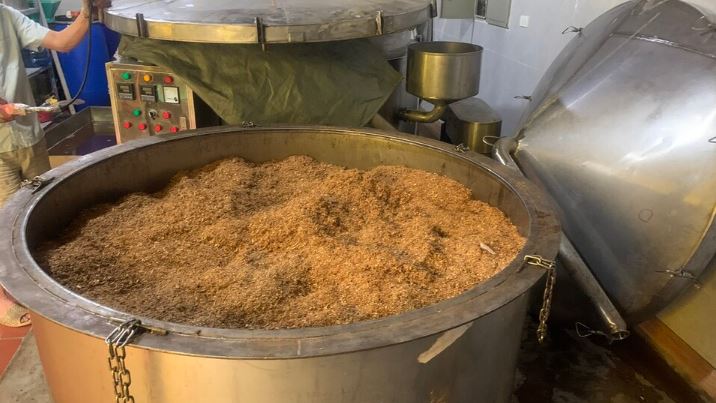
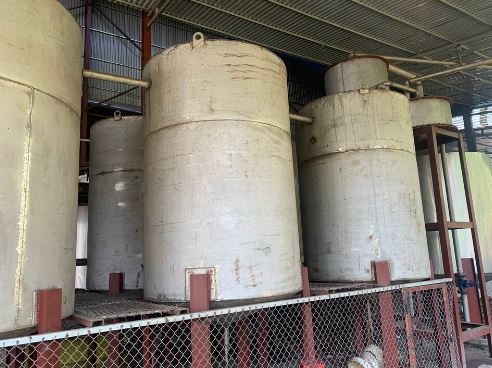
At VIPSEN, we produce chili oleoresin using high-quality raw materials sourced from certified growing regions in Vietnam. Our process uses food-grade ethanol solvent extraction, ensuring safety, high efficiency, and stable quality. With state-of-the-art equipment and ISO 22000-compliant production lines, we ensure the removal of all solvent residues, delivering a pure and safe product ideal for the food, pharmaceutical, and cosmetic industries.
We offer Oleoresin Chili in bulk with:
- Abundant and traceable raw material supply
- Customizable capsaicin content based on client requirements
- Low cost thanks to a closed-loop production system
- High purity – no residual solvents
- Professional service tailored to your needs
With our commitment to quality, traceability, and customer service, VIPSEN is proud to be your reliable partner, providing optimized solutions across industries.
For further details, please contact:
Phone/WhatsApp/Zalo/Wechat/Kakao Talk/LINE/Skype/Viber: +84 868 855 086
Email: Info@Vipsen.vn
Address: D7-TT9, Forosa Road, Xuan Phuong New Urban Area, Xuan Phuong, Nam Tu Liem, Hanoi, Vietnam
Essential Oil Factory Address: Bai Dai, Tien Xuan, Thach That, Hanoi, Vietnam
Agricultural Product Processing Factory Address: Thu Do, An Tuong, Vinh Tuong, Vinh Phuc, Vietnam.
——
References:
1. National Center for Biotechnology Information. PubChem Compound Summary for CID 1548943, Capsaicin. https://pubchem.ncbi.nlm.nih.gov/compound/Capsaicin. Accessed Mar. 28, 2025.
2. Spandidos Publications (2024). Pharmacological activity of capsaicin: Mechanisms and controversies (Review). Mol Med Rep, 29(4): 13162
3. Code of Federal Regulations, Title 21, part 182.10
Share this article with your friends
Help your friends absorb interesting knowledge from VIPSEN


Related articles