Chirality and Its Applications in Authenticating 100% Natural Essential Oils


In the essential oil industry, verifying authenticity and controlling quality are essential to ensuring that products are 100% natural essential oils, free from adulteration with synthetic compounds. Alongside conventional analytical methods such as GC-MS, chirality in natural essential oils has become a valuable chemical fingerprint, revealing molecular-level differences that conventional methods may overlook. So, what is chirality, and how does chiral gas chromatography (Chiral GC) contribute to essential oil authentication? Let’s explore the scientific principles and practical applications of this analytical technique.
What Is Chirality in Natural Essential Oils?
Chirality in natural essential oils refers to the property of certain organic molecules that allows them to exist in two three-dimensional forms that are non-superimposable mirror images of each other, much like the left and right hands of a person. This property commonly arises from the presence of an asymmetric (chiral) center within the molecule.
These two molecular forms are called enantiomers.
Although enantiomers have the same molecular formula, identical atomic connectivity, and largely identical physical properties (such as boiling point, density, refractive index, and mass spectra) in achiral environments, they can behave quite differently when interacting with chiral biological systems, such as enzymes and olfactory receptors.
In natural essential oils, many compounds belonging to the monoterpene and sesquiterpene groups exhibit chirality. Examples include:
- Limonene: A common constituent of citrus essential oils, including orange, lemon, and grapefruit.
- Linalool: An aromatic compound found in lavender, coriander, and various other essential oils.
- Carvone: A characteristic compound found in spearmint and caraway essential oils.
- Menthol: The compound responsible for the characteristic cooling sensation of mint essential oils.
- α-Pinene: A compound found in many pine essential oils and other terpene-rich plants.
- Terpinen-4-ol: An important constituent of tea tree essential oil.
The distribution of these enantiomers not only influences the aromatic characteristics of essential oils but can also provide valuable information about their botanical origin, production processes, and authenticity.
This forms the scientific basis for applying chiral gas chromatography (Chiral GC) in the quality control and authentication of natural essential oils.

The “Left-Hand, Right-Hand” Phenomenon of Molecules
Why Can Two Identical Molecules Have Different Three-Dimensional Structures?
Consider our two hands. The left and right hands have similar structures, but they cannot be perfectly superimposed when oriented in the same way.
Certain organic molecules exhibit a similar property.
In stereochemistry, a common cause of chirality is the presence of an asymmetric carbon atom, typically a carbon bonded to four different substituent groups. However, not all chiral molecules necessarily contain an asymmetric carbon atom.
Enantiomers are commonly distinguished by their R and S configurations, assigned according to the Cahn–Ingold–Prelog (CIP) priority rules. This system establishes the order of priority among substituent groups attached to a stereogenic center, allowing its absolute configuration to be designated as R or S.
- R = Rectus: Latin for “right.”
- S = Sinister: Latin for “left.”
In addition, the symbols (+) and (−) indicate the direction in which a compound rotates plane-polarized light:
- (+): Rotates the plane of polarized light clockwise, according to the standard viewing convention.
- (−): Rotates the plane of polarized light counterclockwise.
It is important to note that the R/S configuration does not determine the direction of optical rotation (+)/(−). A compound with an R configuration may exhibit either positive or negative optical rotation.
Why Do Plants Often Produce One Predominant Enantiomer?
Aromatic compounds in essential oils are synthesized by plants through complex biochemical pathways involving enzyme-catalyzed reactions.
Because enzymes themselves have chiral three-dimensional structures, these biosynthetic processes often preferentially produce one particular enantiomer. This phenomenon is known as enantioselectivity.
For example, in certain plant essential oils:
- Spearmint essential oil is typically rich in (R)-(−)-carvone.
- Caraway essential oil is typically rich in (S)-(+)-carvone.
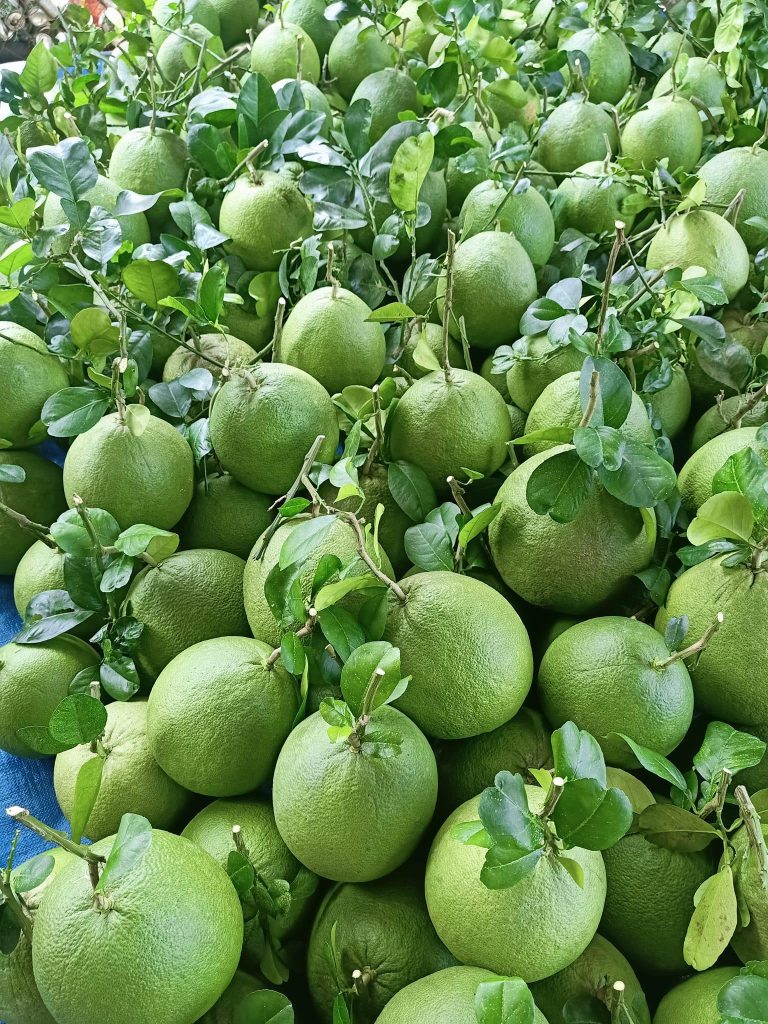
- Pomelo peel essential oil generally contains predominantly (R)-(+)-limonene.
- Lavender essential oil (Lavandula angustifolia) typically contains predominantly (R)-(−)-linalool.
However, enantiomeric ratios may vary depending on the plant species, cultivar, geographical origin, growing conditions, plant parts used, and processing methods.
Therefore, enantiomeric distribution is considered a valuable chemical fingerprint for authenticating natural essential oils, although it is not an invariable characteristic across all essential oil types.
How Does Chirality Affect the Aroma of Essential Oils?
The human sense of smell functions through interactions between odor molecules and olfactory receptors.
These receptors are proteins with three-dimensional, chiral structures. Consequently, two enantiomers may interact differently with the same receptor or with different groups of receptors.
These differences can influence odor quality, perceived intensity, and odor detection thresholds.
A Classic Example: Limonene
Limonene is a monoterpene with the molecular formula C₁₀H₁₆, commonly found in orange, lemon, and pomelo peel essential oils, as well as many other aromatic plants. Its two enantiomers, (R)-(+)-limonene and (S)-(−)-limonene, have three-dimensional structures that are mirror images of each other but may exhibit different odor characteristics.
In the study “Sniffing Out Chirality: Your Nose as a ‘Sides’ Recognizer,” published in the Journal of Chemical Education in 2026, researchers conducted a sensory evaluation involving more than 350 students. The findings showed that participants were able to distinguish between the odors of the two limonene enantiomers. Specifically, (R)-(+)-limonene was predominantly described as having a citrus-like aroma, while (S)-(−)-limonene was more frequently associated with resinous notes.

Important Chiral Compounds Found in Essential Oils
| Compound | Enantiomeric Characteristics and Aroma | Representative Essential Oil Sources |
| Carvone | (R)-(−)-carvone has a spearmint-like aroma, while (S)-(+)-carvone has a caraway-like aroma. | Spearmint and caraway essential oils |
| Limonene | (R)-(+)-limonene has orange-like notes, while (S)-(−)-limonene may exhibit pine-like or resinous notes. | Pomelo peel, orange, and lemon essential oils |
| Linalool | The two enantiomers may differ in floral, woody, and sweet aromatic notes. | Lavender and coriander essential oils |
| Menthol | Its stereoisomers may differ in cooling sensation and odor characteristics. | Mint essential oils |
| α-Pinene | The relative proportions of its two enantiomers may vary depending on the plant species and botanical source. | Pine and rosemary essential oils |
| Terpinen-4-ol | A chiral compound whose enantiomeric distribution can provide useful information for origin and authenticity analysis. | Tea tree essential oil |
These aroma descriptions are intended as general guidance. Actual sensory perception also depends on sample purity, concentration, the surrounding fragrance matrix, and individual differences in odor perception.
This is particularly important in the flavor and fragrance industries, where even subtle differences in molecular structure can influence the sensory characteristics of aromatic ingredients.
Applications of Chirality in Natural Essential Oil Authentication
One of the most important applications of chirality is its role in natural essential oil authentication and the detection of potential adulteration.
Why Is Conventional GC-MS Analysis Not Sufficient?
Gas chromatography–mass spectrometry (GC-MS) is a widely used analytical technique for determining the chemical composition of essential oils.
This method enables the identification of volatile compounds and provides detailed information about the chemical profile of a sample, including:
- Major and minor chemical constituents.
- The presence of characteristic marker compounds.
- Unusual constituents that may indicate adulteration.
- Variations in chemical composition between production batches.
However, conventional GC-MS using an achiral chromatographic column cannot separate the two enantiomers of the same compound.
For example, (R)-linalool and (S)-linalool have the same molecular formula, molecular mass, and essentially identical physical properties and mass spectra under achiral analytical conditions. On a conventional GC column, they typically appear as a single chromatographic peak.
Consequently, two essential oil samples may have similar total linalool contents but significantly different enantiomeric distributions.
This is precisely why chiral gas chromatography (Chiral GC) serves as a valuable complementary analytical technique for essential oil authentication.
How Does Chiral Gas Chromatography (Chiral GC) Work?
Chiral gas chromatography (Chiral GC) is an analytical technique that enables the separation and determination of enantiomeric ratios in a mixture. It is particularly useful for analyzing volatile compounds found in natural essential oils.
Unlike conventional gas chromatography, Chiral GC uses a chromatographic column containing a chiral stationary phase, commonly based on cyclodextrin derivatives. Cyclodextrins are cyclic molecules composed of glucose units. Due to their unique three-dimensional structures, cyclodextrins can interact selectively with individual enantiomers through molecular interactions such as van der Waals forces, hydrogen bonding, and hydrophobic interactions.
When an essential oil sample is vaporized and introduced into the chromatographic column by a carrier gas, the R and S enantiomers continuously partition between the mobile and stationary phases. Because of their different spatial configurations, they interact differently with the chiral stationary phase, resulting in different retention times.
As a result, the two enantiomers can be separated into distinct chromatographic peaks, even though they have the same molecular formula and virtually identical mass spectra.
When coupled with a mass spectrometry detector (MS) or a flame ionization detector (FID), this technique can support the identification and relative quantification of individual enantiomers.
Enantiomeric Excess (ee)
Enantiomeric excess (ee) is a measure of the difference in the amounts of two enantiomers present in a mixture. This parameter is widely used in stereochemistry and chiral chromatographic analysis to determine the extent to which one enantiomer predominates over the other.
Formula:
ee (%) = |nR − nS| / (nR + nS) × 100
Where:
- ee: Enantiomeric excess.
- nR: Amount of the R enantiomer.
- nS: Amount of the S enantiomer.
- |nR − nS|: Absolute value of the difference between the amounts of the two enantiomers.
The ee value ranges from 0% to 100%:
- ee = 0%: Both enantiomers are present in equal proportions (50:50), forming a racemic mixture.
- ee = 100%: The mixture contains only one enantiomer and is considered enantiomerically pure.
- 0% < ee < 100%: One enantiomer predominates over the other.
For example, if a sample contains 95% of the R enantiomer and 5% of the S enantiomer, its enantiomeric excess is 90%.
In natural essential oil analysis, enantiomeric excess is commonly calculated from the relative chromatographic peak areas of the two enantiomers after separation by chiral gas chromatography (Chiral GC), provided that both enantiomers exhibit equivalent detector responses or that appropriate response-factor corrections have been applied.
Detecting Essential Oil Adulteration Through Enantiomeric Analysis
Many chiral compounds in natural essential oils exhibit a predominance of one enantiomer due to the stereoselectivity of enzymes involved in their biosynthesis. Therefore, enantiomeric excess (ee), together with R/S ratios and reference data from authenticated botanical sources, can help assess natural origin, detect potential adulteration, and monitor quality consistency across essential oil batches.
In commercial essential oils, certain forms of adulteration may involve the addition of synthetic aroma compounds or lower-cost natural ingredients.
For example, a lavender essential oil sample may be supplemented with linalool to adjust its chemical composition or aroma profile.
If the added linalool has an R/S ratio that differs from the natural enantiomeric distribution of the original essential oil, Chiral GC analysis may detect this change.
However, an important distinction must be made:
Synthetic compounds do not necessarily have a 50:50 R/S ratio. Modern asymmetric synthesis can produce compounds with high enantiomeric purity. Conversely, some naturally occurring compounds may contain both enantiomers in nearly equal proportions.
Therefore, an unusual enantiomeric ratio should be regarded as an indicator warranting further investigation, rather than conclusive evidence of adulteration on its own.
A Real-World Study on Lavender Essential Oil
A study published in the Journal of Essential Oil Research in 2023 by Wilson et al., titled “Authentication of Lavandula angustifolia Mill. (Lamiaceae) essential oil using physical property, gas chromatography, enantiomeric selectivity, and stable isotope analyses,” investigated the authenticity of Lavandula angustifolia essential oil using a combination of analytical techniques.
The study reported the following findings:
| Key Indicator | Study Findings |
| 41 authenticated lavender samples | Collected from six countries |
| 15 compounds | Investigated for their enantiomeric distributions |
| 9 out of 12 commercial samples | Assessed as adulterated |
The finding of 9 out of 12 samples applies only to the commercial samples examined in this study and should not be interpreted as representative of the entire essential oil market.
The researchers employed GC-MS, GC-FID, enantioselective gas chromatography (Chiral GC), and stable isotope ratio analysis (GC-IRMS).
The study established enantiomeric distribution ranges for 15 compounds in authenticated lavender essential oil samples, providing reference data to help identify commercial samples with unusual chemical characteristics.
Notably, the degree of variation in enantiomeric ratios differed among compounds. Certain constituents, such as linalool and linalyl acetate, exhibited relatively limited variation, whereas α-pinene, β-pinene, and limonene showed more substantial variability associated with geographical origin.
These findings highlight the importance of combining multiple analytical parameters rather than relying on a single marker compound when assessing the authenticity of natural essential oils.

Advantages of Enantiomeric Analysis in Essential Oil Quality Testing
| Advantage | Practical Value |
| Differentiation of enantiomers | Provides additional information that conventional GC-MS analysis cannot reveal. |
| Detection of subtle adulteration | Identifies unusual enantiomeric ratios even when the overall chemical composition appears consistent with specifications. |
| Support for botanical origin authentication | Enables comparison of samples against reference data for specific plant species and botanical sources. |
| Monitoring batch-to-batch consistency | Tracks variations in enantiomeric composition associated with harvesting seasons, growing regions, and production processes. |
| Complementary to stable isotope analysis | Strengthens the reliability of authenticity assessments by combining independent analytical techniques. |
Detecting Adulteration That May Be Difficult to Identify Using Conventional GC-MS
One of the key advantages of Chiral GC is its ability to detect changes in enantiomeric ratios even when the total concentration of a compound remains relatively unchanged.
This is particularly useful for compounds commercially available from both natural and synthetic sources, such as linalool and limonene.
Supporting the Development of Origin-Specific Chemical Fingerprints
With sufficient reference data from authenticated botanical samples, enantiomeric ratios can be incorporated into chemical fingerprints used to characterize and identify raw materials.
For Vietnam’s natural essential oil industry, this represents a promising area of research for expanding scientific knowledge of the chemical characteristics of native aromatic plants and their growing regions.
Enhancing Quality Assessment Capabilities in International Trade
For natural essential oil manufacturers and suppliers, enantiomeric analysis can provide additional supporting evidence when customers require origin verification or investigation of suspected adulteration.
In particular, companies operating in the flavor, fragrance, cosmetics, and natural ingredients industries can incorporate these analytical results into their advanced quality control documentation.
Limitations of Chiral GC in Natural Essential Oil Testing
Although Chiral GC is a highly valuable analytical technique, it cannot address every aspect of essential oil authenticity.
Not All Essential Oil Compounds Are Chiral
Many common essential oil constituents are achiral, including citral (comprising geranial and neral), 1,8-cineole, eugenol, and trans-anethole.
For these compounds, enantiomeric ratios cannot be used to determine their origin.
This is an important limitation for certain commercial essential oils whose major constituents are achiral.
Enantiomeric Ratios May Vary Naturally
Enantiomeric distributions may vary depending on:
- Plant species and cultivars.
- Climatic and soil conditions.
- Geographical origin and harvesting season.
- Plant parts used.
- Distillation, processing, and storage conditions.
Therefore, a single fixed enantiomeric ratio should not be applied to all essential oil samples from the same species without appropriate authenticated reference data.
Research by König et al. on essential oil purity control highlighted that Chiral GC is particularly useful for naturally occurring compounds with high enantiomeric purity, but may not provide conclusive results when natural enantiomeric ratios exhibit substantial variability.
Cannot Definitively Distinguish Natural and Synthetic Compounds
A compound produced through asymmetric synthesis may exhibit an enantiomeric ratio similar to that of its naturally occurring counterpart.
Furthermore, if an essential oil is adulterated with another natural essential oil having a similar enantiomeric profile, detection by Chiral GC may also be challenging.
Therefore, Chiral GC alone cannot certify that an essential oil is 100% natural.
High Analytical Costs and Technical Requirements
The technique requires specialized chiral chromatographic columns, optimized analytical procedures, and appropriate reference standards to accurately identify individual enantiomers.
Not all enantiomeric pairs can be effectively separated using the same column.
In addition, laboratories must evaluate chromatographic resolution, repeatability, identification reliability, and analytical accuracy before implementing the method for quality control purposes.
Dependence on Reference Databases
This is one of the most significant limitations for essential oils that have received limited scientific investigation.
Without reference data obtained from authenticated botanical samples, Chiral GC results may be difficult to interpret.
This is particularly relevant to Vietnamese native essential oils for which published enantiomeric distribution data remain limited.
Summary of Advantages and Limitations
| Criterion | Advantages | Limitations |
| Chemical analysis | Differentiates enantiomers. | Not applicable to achiral compounds. |
| Origin authentication | Detects unusual enantiomeric ratios. | Requires appropriate authenticated reference data. |
| Adulteration detection | Sensitive to certain forms of compound addition. | May not detect enantioselectively synthesized compounds. |
| Batch quality control | Supports the assessment of batch-to-batch consistency. | Results may be influenced by natural biological variability. |
| Practical implementation | Provides advanced analytical information. | Requires specialized equipment, chromatographic columns, and technical expertise. |
Combining Chiral GC with Other Methods to Authenticate Natural Essential Oils
To comprehensively assess essential oil quality and origin, laboratories often combine multiple analytical techniques.
| Analytical Method | Primary Purpose | Value in Essential Oil Authentication |
| GC-MS | Identification of volatile chemical constituents | Detects unusual compounds and enables comparison of chemical profiles |
| GC-FID | Relative or quantitative determination of chemical constituents | Verifies the proportions of characteristic compounds |
| Chiral GC-MS/FID | Analysis of enantiomeric ratios | Detects potential adulteration based on enantiomeric distributions |
| GC-IRMS | Stable isotope ratio analysis | Provides additional evidence regarding the origin and formation pathways of compounds |
| Density, refractive index, and optical rotation | Evaluation of physical properties | Screens for deviations from expected quality specifications |
| Sensory analysis | Evaluation of aroma characteristics | Identifies differences in fragrance profiles |
| Traceability | Verification of raw materials and production processes | Provides documentary evidence supporting botanical origin |
A study published in the Journal of Essential Oil Research in 2025 investigated the integration of enantioselective gas chromatography with MS and FID detectors in a single analytical workflow for citrus essential oils. This approach enabled the collection of information on enantiomeric distributions and relative constituent concentrations, helping improve the effectiveness of quality control.
In practice, no single analytical method can fully establish every aspect of an essential oil’s natural origin, purity, and authenticity.
The selection of appropriate testing methods should depend on the type of essential oil, its characteristic compounds, potential adulteration risks, and the customer’s technical requirements.

Potential Applications of Enantiomeric Analysis for Vietnamese Natural Essential Oils
Vietnam has abundant botanical resources rich in essential oils, with many products used in the flavor, fragrance, cosmetics, food, and personal care industries.
Essential oils such as litsea cubeba, basil, perilla, cajeput, cassia, and star anise have distinctive chemical characteristics.
However, not all essential oils contain major constituents suitable for enantiomeric analysis.
Research Potential for Different Essential Oils
| Essential Oil | Characteristic Compounds | Potential Applications of Chiral GC |
| Litsea cubeba (Litsea cubeba) | Geranial, neral, limonene | Enantiomeric analysis of limonene and other minor chiral constituents |
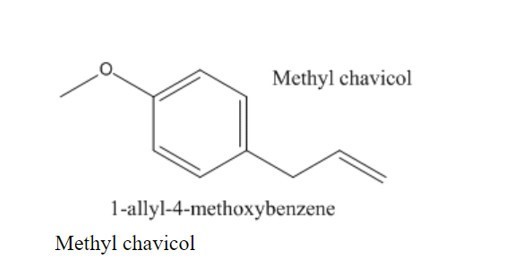
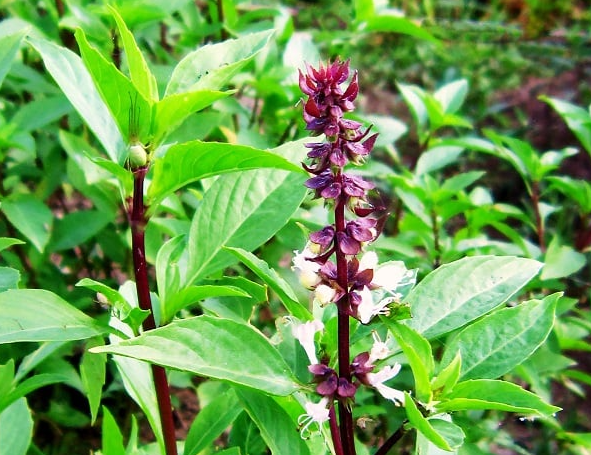
| Basil (Ocimum basilicum) | Methyl chavicol, linalool (depending on chemotype) | Enantiomeric analysis of linalool when present at suitable concentrations |
| Perilla (Perilla frutescens) | Perillaldehyde and other monoterpenes | Investigation of the enantiomeric distribution of perillaldehyde |
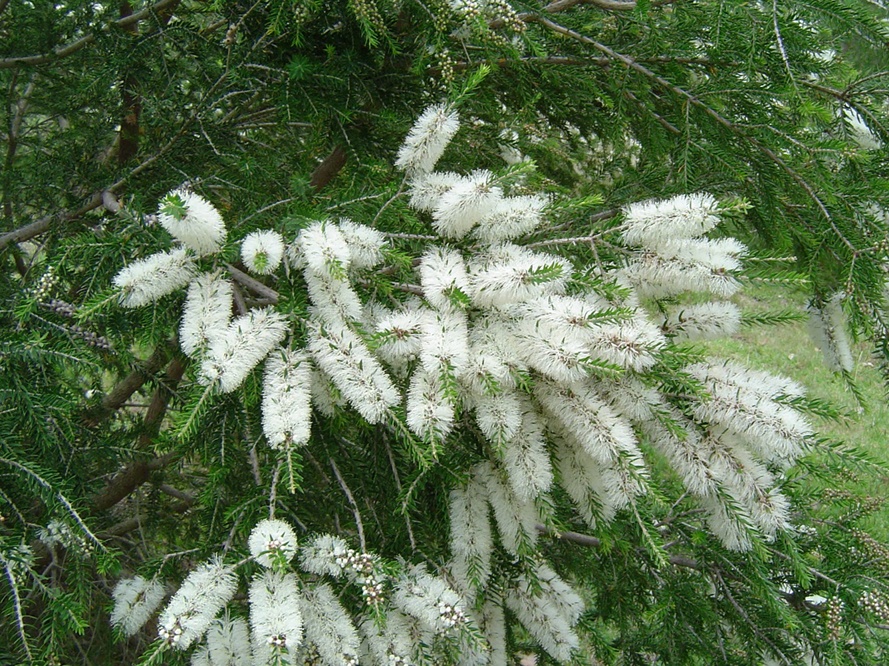
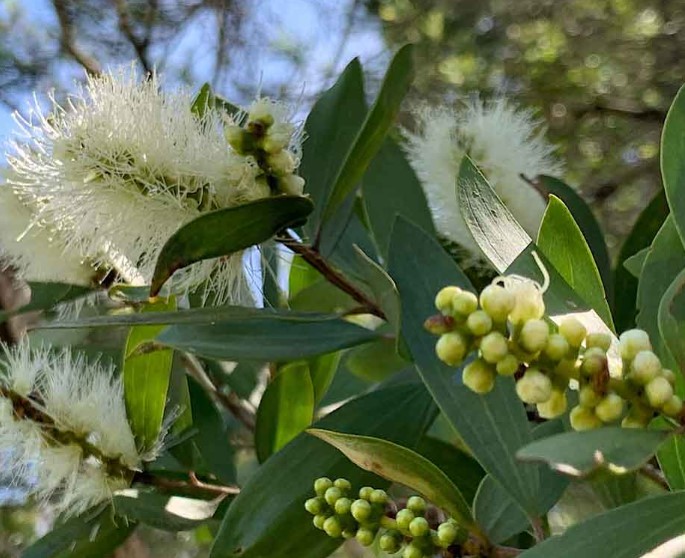
| Cajeput (Melaleuca cajuputi) | 1,8-Cineole, α-terpineol, and other terpenes | Investigation of α-terpineol and minor chiral constituents |
| Cassia (Cinnamomum cassia) | Cinnamaldehyde | Limited applicability to the major constituent |
| Star anise (Illicium verum) | Trans-anethole | Limited applicability to the major constituent |
Note: This table presents potential research applications based on chemical structures. It does not represent established Chiral GC results for VIPSEN products. Practical implementation requires validated analytical methods and authenticated reference samples.
Example: Vietnamese Perilla Leaf Essential Oil
Perilla leaf essential oil (Perilla frutescens) is a valuable aromatic ingredient, with perillaldehyde being a characteristic compound in many perilla essential oils belonging to the perillaldehyde chemotype.
Perillaldehyde contains one chiral center and can therefore exist as two enantiomers:
- (S)-(−)-Perillaldehyde: The more commonly occurring configuration in nature and a major contributor to the characteristic aroma of Perilla frutescens.
- (R)-(+)-Perillaldehyde: The mirror-image enantiomer of the (S) form, which is less commonly encountered in nature and can also be produced through chemical synthesis.
In advanced research, analyzing the enantiomeric ratio of perillaldehyde could help:
- Develop a characteristic chemical fingerprint for Vietnamese perilla leaf essential oil.
- Investigate differences among growing regions and harvesting seasons.
- Assess raw material consistency across production batches.
- Generate additional data to support origin authentication and investigations into potential adulteration.
To achieve these objectives, a reference database must be established using authenticated perilla samples and analyzed with an appropriate Chiral GC method.
This represents a promising research direction for natural essential oil manufacturers in Vietnam, particularly as international customers place increasing emphasis on traceability and raw material consistency.
Conclusion
Chirality is an important characteristic of many aroma compounds found in natural essential oils. Two enantiomers may have the same molecular formula and atomic composition but differ in their three-dimensional configurations, potentially influencing their aroma characteristics and interactions with biological systems.
In essential oil testing, enantiomeric analysis using Chiral GC provides a valuable tool for determining enantiomeric ratios, assessing raw material consistency, and detecting potential signs of essential oil adulteration.
However, this technique also has limitations related to its scope of application, natural variations in enantiomeric distributions, the availability of reference data, and its ability to distinguish naturally occurring compounds from those produced through enantioselective synthesis.
The greatest value of Chiral GC lies not in replacing conventional analytical methods, but in providing an additional layer of chemical information that enhances the reliability of natural essential oil authentication.
For Vietnam’s natural essential oil industry, investigating the chirality of characteristic aroma compounds represents a scientifically and commercially valuable approach. It can contribute to the development of reference databases for native botanical materials, strengthen quality control capabilities, and help meet the increasingly stringent requirements of international markets.
FAQ – Frequently Asked Questions
1. What Is Chirality in Natural Essential Oils?
Chirality is a property of certain compounds in essential oils that allows them to exist in two three-dimensional forms that are non-superimposable mirror images of each other. These forms are called enantiomers and are commonly distinguished by their R and S configurations.
2. Why Do Compounds in Natural Essential Oils Have Enantiomers, and Why Does One Enantiomer Often Predominate?
Certain compounds in natural essential oils have asymmetric molecular structures, allowing them to exist as two enantiomers. These forms have the same molecular formula and atomic connectivity but differ in their three-dimensional arrangement, much like the left and right hands.
In plants, aromatic compounds are synthesized through biochemical reactions involving enzymes. Because enzymes themselves have chiral three-dimensional structures, they often preferentially catalyze the formation of one particular enantiomer. This phenomenon is known as enantioselectivity.
3. Why Can Two Enantiomers Have Different Odors?
Olfactory receptors have three-dimensional, chiral structures. Two enantiomers may interact differently with these receptors, resulting in differences in perceived aroma.
4. Can Chiral GC Verify Whether an Essential Oil Is Natural?
To some extent, yes. Chiral GC is a valuable technique for assessing the natural origin of essential oils by analyzing enantiomeric ratios and comparing them with authenticated reference data.
However, Chiral GC results should be evaluated alongside other methods, such as GC-MS, GC-IRMS, and supply chain traceability.
5. Can Conventional GC-MS Detect Synthetic Essential Oils?
GC-MS can detect certain signs of adulteration by identifying unusual chemical constituents. However, conventional GC-MS using an achiral chromatographic column cannot directly distinguish between the two enantiomers of the same compound.
Consequently, some forms of adulteration may be difficult to identify using GC-MS alone.
6. Which Natural Essential Oils Can Be Analyzed Using Chiral GC?
Chiral GC is particularly useful for essential oils containing chiral compounds such as limonene, linalool, menthol, carvone, and α-pinene.
For example, cornmint essential oil (Mentha arvensis) predominantly contains (−)-menthol, while sweet orange essential oil (Citrus sinensis) generally contains predominantly (R)-(+)-limonene.
Analyzing the enantiomeric ratios of these compounds can provide valuable information for assessing authenticity and detecting potential adulteration.
7. Why Can Natural Essential Oils and Essential Oils Adulterated with Synthetic Compounds Produce Similar GC-MS Results?
Enantiomers have the same molecular formula, atomic connectivity, and virtually identical mass spectra. Therefore, conventional GC-MS using an achiral chromatographic column cannot directly distinguish between the two enantiomers.
When a natural essential oil is supplemented with a synthetic compound having the same chemical structure as a naturally occurring constituent, its overall GC-MS profile may still fall within the acceptable technical specifications.
In such cases, Chiral GC may detect unusual changes in enantiomeric ratios, helping identify potential adulteration that conventional GC-MS analysis might overlook.
8. What Methods Are Commonly Used Worldwide to Authenticate Natural Essential Oils?
Today, laboratories around the world use various analytical methods to assess the authenticity of natural essential oils, including:
- GC-MS (Gas Chromatography–Mass Spectrometry): Analyzes chemical composition, identifies characteristic compounds, and detects unusual constituents in essential oils.
- GC-FID (Gas Chromatography–Flame Ionization Detection): Determines the concentrations or relative proportions of chemical constituents and compares them with established quality specifications.
- Chiral GC (Enantioselective Gas Chromatography): Analyzes enantiomeric ratios and helps detect certain forms of adulteration involving synthetic compounds.
- GC-IRMS (Gas Chromatography–Isotope Ratio Mass Spectrometry): Measures stable isotope ratios of individual compounds, supporting origin assessment and the detection of certain inconsistent or undeclared added constituents.
- Physicochemical Testing: Measures density, refractive index, optical rotation, and other characteristic properties to assess compliance with quality specifications.
In addition, raw material control, production process management, and supply chain traceability systems play important roles in essential oil authentication.
Authenticating 100% natural essential oils requires a combination of analytical methods appropriate to each essential oil type, rather than relying on a single test result.
Scientific References
1. Russell, G. F., & Hills, J. I. (1971). Odor Differences between Enantiomeric Isomers. Science, 172, 1043–1044.
2. Leitereg, T. J., et al. (1971). Evidence for the Difference between the Odours of the Optical Isomers (+)- and (−)-Carvone. Nature, 230, 455–456.
3. König, W. A., et al. (1997). Adulteration or Natural Variability? Enantioselective Gas Chromatography in Purity Control of Essential Oils. Journal of High Resolution Chromatography.
4. Wilson, T. M., et al. (2023). Authentication of Lavandula angustifolia Mill. (Lamiaceae) Essential Oil Using Physical Property, Gas Chromatography, Enantiomeric Selectivity, and Stable Isotope Analyses. Journal of Essential Oil Research, 35(6), 529–541.
5. Integrated Enantioselective GC-MS/FID Analysis for Comprehensive Quality Control of Citrus Essential Oils (2025). Journal of Essential Oil Research.
Contact VIPSEN today for consultation and product samples!
Phone / WhatsApp / Zalo / WeChat / Kakao Talk / LINE / Skype / Viber: +84 868 855 086
Email: info@vipsen.vn
Office address: D7-TT9, Foresa Street, Xuan Phuong Urban Area, Xuan Phuong Ward, Nam Tu Liem District, Hanoi, Vietnam
Essential oil production facility: Bai Dai Area, Tien Xuan Commune, Thach That District, Hanoi, Vietnam
Share this article with your friends
Help your friends absorb interesting knowledge from VIPSEN


Related articles