Comparison of Cassia Oil and Ceylon Cinnamon Oil


Cassia oil (botanical name: cinnamomum cassia) and Ceylon cinnamon oil (botanical name: cinnamomum verum) have many differences from botanical characteristics, growth, chemical composition, sensory, application and market price. Below are details about the similarities and differences between these two essential oils.
Similarities
- Botanical origin: Cinnamomum cassia (Cassia) and Cinnamomum verum (Ceylon cinnamon or true cinnamon) belong to the same genus Cinnamomum.
- Chemical composition: Cassia oil and Ceylon cinnamon oil both contain Cinnamaldehyde (However, cinnamaldehyde is not the main ingredient in Ceylon cinnamon leaf oil)
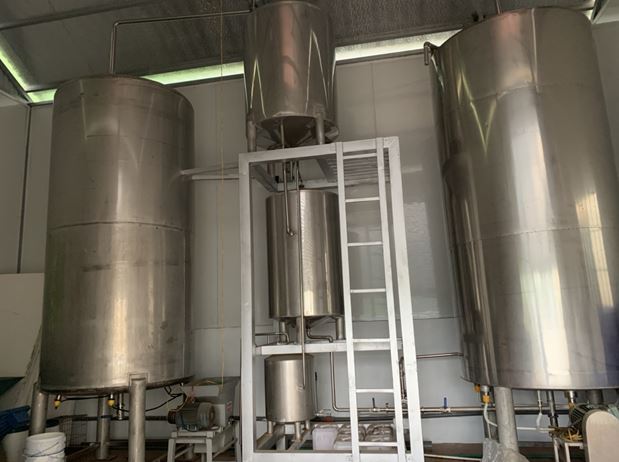
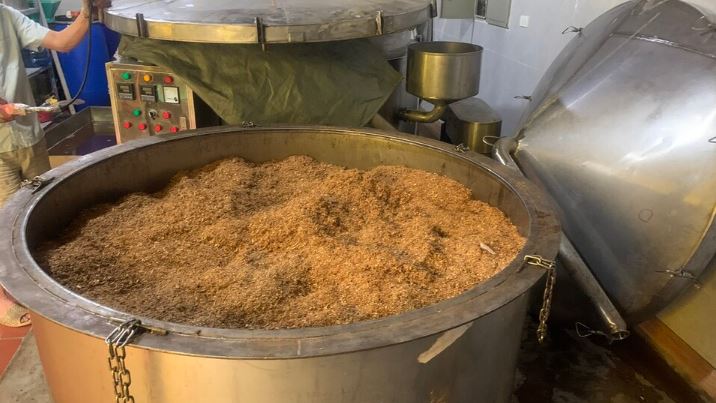
- The main production method today: steam distillation. The main raw materials are bark, branches and leaves.

Differences
1. Botanical characteristics
- Cassia oil
Extracted from the bark and leaves of the Cinnamomum Cassia tree. This is a popular cinnamon species grown in southern China and northern Vietnam.
Botanical characteristics:
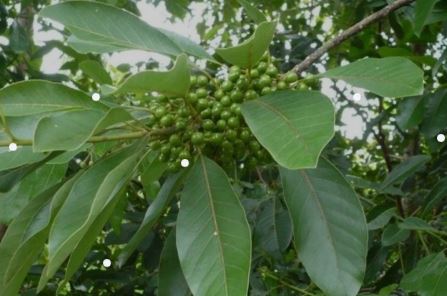
– The tree is 10-15m tall, with a large trunk and a dark brown or dark gray outer bark.
– The leaves are longer and wider than those of Ceylon cinnamon, dark green and shiny. The leaves of Cassia cinnamon are also thicker and harder.
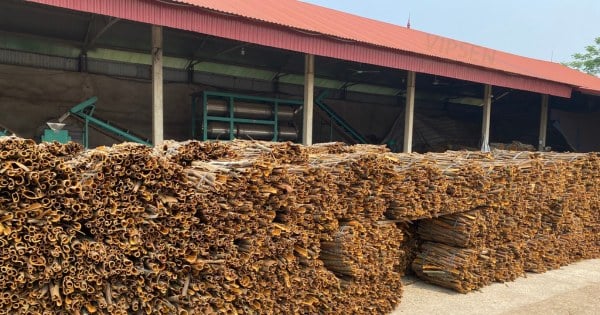
– Cassia cinnamon bark is thicker, often rolled into hard and thick bars. When dry, it is dark brown or reddish brown.
– The tree is suitable for cool, subtropical climates with moderate rainfall. The tree adapts well to poor soil.
Harvesting:
– Cassia cinnamon trees are usually harvested for the first time after 5-7 years, when the tree is mature enough. After that, a new harvest will be carried out every 3-5 years. However, people usually harvest the whole tree.
– The tree produces a higher yield of harvested materials than Ceylon cinnamon.
Preservation
– Cassia cinnamon bark is thick and difficult to damage, so it can be stored for a long time in dry conditions.
- Ceylon cinnamon oil
Extracted from the bark or leaf and is the Cinnamomum Verum tree, also known as Ceylon cinnamon. The tree is commonly grown in Sri Lanka, some regions in India, Mynamar, Madagascar…
Botanical characteristics:
– The tree is usually shorter, about 10m high.
– The leaves are smaller, softer and brighter green.
– The bark of Ceylon cinnamon is thinner, easily broken or crushed, rolled into thin and easily bent bars. When dry, it is yellow-brown.
– Ceylon cinnamon is suitable for tropical climates, with rainfall from 1,750 – 3,500mm/year. The tree needs nutritious soil.
Harvesting:
– Ceylon cinnamon trees are usually harvested for the first time after 2-4 years, faster than Cassia cinnamon. After that, the bark is harvested every 2-3 years.
– The tree has a lower yield of raw materials and is more expensive than Cassia cinnamon.
Storage:
– Ceylon cinnamon bark is thinner and more fragile, so it needs to be stored more carefully, away from light and moisture to maintain quality.

2. Chemical composition
- Cassia oil
– The main component in the oil is cinnamaldehyde, accounting for 70-90%.
– The coumarin content is higher, can up to 3%, which makes Cassia cinnamon potentially dangerous when used in large doses over a long period of time.
– The eugenol content is very low or non-existent.
- Ceylon cinnamon oil
+ Ceylon cinnamon bark oil:
– The cinnamaldehyde content is lower than that of Cassia cinnamon, accounting for about 60-75%.
– The coumarin content is extremely low, below 0.0004%, so Ceylon cinnamon is safer to use in food and pharmaceuticals.
– Contains more eugenol (about 5-10%), giving it a gentle, warm and sweet scent.
+ Ceylon cinnamon leaf oil
– The main component is eugenol, accounting for about 70-85%, giving it a warm scent, similar to cloves.
– The lower cinnamaldehyde content, usually less than 10%, makes the leaf essential oil’s scent milder and less pungent than the bark oil. There is little or no coumarin, making it safer for long-term use.
3. Sensory
- Cassia oil: Strong, spicy and often slightly pungent aroma. Usually yellow to reddish brown in color,
- Ceylon cinnamon oil
– Ceylon cinnamon bark oil: Warmer and sweeter aroma than cassia oil. Usually pale yellow to amber in color.
– Ceylon cinnamon leaf oil: Mild, sweet aroma, with a clove-like aroma. Usually pale yellow to light brown in color.

4. Efficiency and yield
- Cassia oil
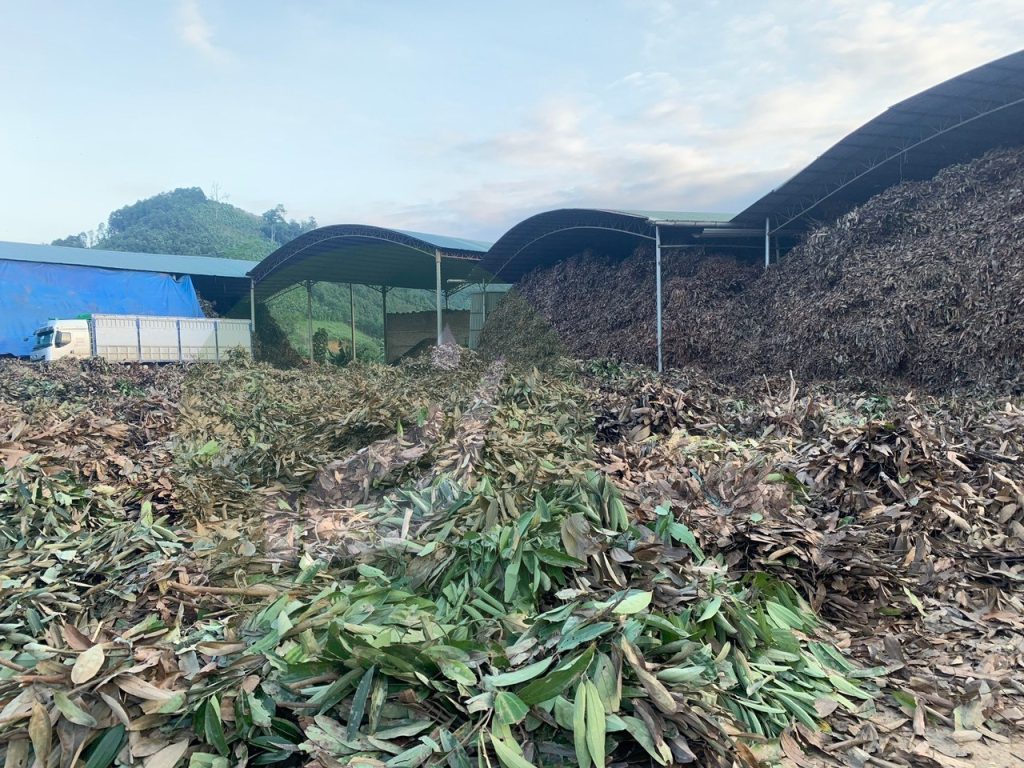
Cassia oil is produced annually with a much larger yield than Ceylon cinnamon oil thanks to the large growing area and abundant production materials. The leaves and branches also contain a high proportion of cinnamaldehyde, so this is the main source of raw materials for cassia oil production. Cassia bark is also used to produce oil, although not much because the bark has a higher economic value when used as a spice.
- Ceylon cinnamon oil
Due to the thin bark and complicated processing, Ceylon cinnamon gives a lower yield of essential oil. While Ceylon cinnamon leaves give a low cinnamaldehyde content, the main ingredient is Eugenol. Therefore, compared to cassia, the raw materials for producing Ceylon cinnamon oil are much less, along with the total growing area not being large.
5. Market price
- Cassia oil
It has a low price, averaging $20-$40/kg for raw cinnamon leaf oil, or $60 – $80/kg for cassia bark oil. Because of its low price, cassia oil is more popular in the industry.
- Ceylon cinnamon oil
It has a much higher price. In the world, Ceylon cinnamon bark oil has a price ranging from $300 – $500/kg. Therefore, Ceylon cinnamon oil is classified as high-end.

6. Applications
- Cassia oil
Commonly used in industrial applications such as perfumes, spices, flavor, food, beverages, cosmetics and pharmaceuticals. However, due to its high Coumarin content, Cassia oil is strictly regulated in its application in food and pharmaceutical cosmetics production. Along with that, the cinnamaldehyde content is also strictly regulated in terms of dosage used in products as well as daily absorption for users.
However, Cassia oil is still very popular in Asian cuisine and is an important part of many recipes.
- Ceylon cinnamon oil
Preferred for use in high-end products such as organic foods, pharmaceuticals, cosmetics and aromatherapy due to its safer quality, low coumarin content, and pleasant aroma. However, like Cassia oil, the cinnamaldehyde content is also strictly regulated in terms of dosage used or daily absorption. Ceylon cinnamon leaf oil is more widely used in aromatherapy, cosmetics and personal care products.
_____
Conclusion:
Conclusion
- Similarities:
Both essential oils have cinnamaldehyde as their main component and are used for purposes such as aromatherapy, cosmetics and in pharmaceuticals due to their flavor, antibacterial and antioxidant properties.
- Differences:
The major difference lies in the coumarin content, flavor and aroma. Ceylon cinnamon oil has a very low coumarin content and a milder aroma, while Cassia oil has a higher cinnamaldehyde content, resulting in a stronger aroma and potential risks when used in large quantities. Along with that, the price and popularity of the two essential oils are different.

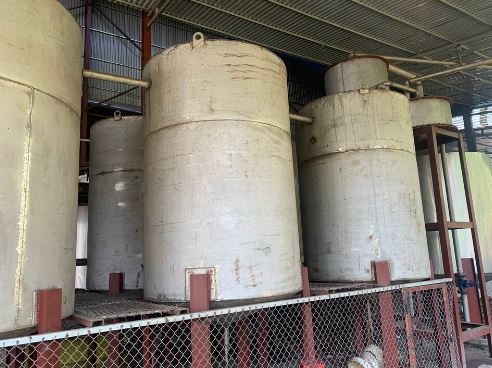
Cassia essential oil produced at VIPSEN
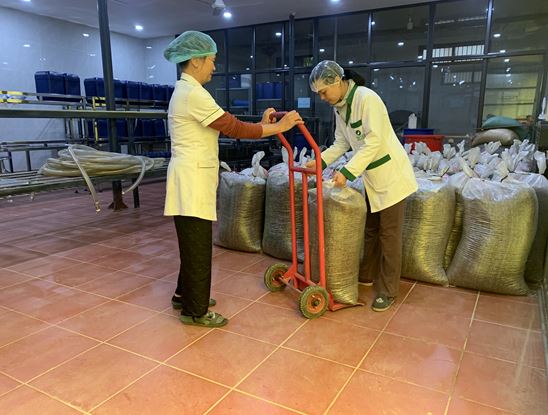
VIPSEN’s cassia essential oil is produced under strict control from input materials to production, packaging and preservation. We ensure that every step complies with the highest standards to maintain purity and safety. In the same time, VIPSEN focuses on R&D activities, continuously improving the process to minimize the coumarin content in the product (below 2%), ensuring stability in flavor, improving safety for users’ health. In addition, we are also producing natural cinnamaldehyde with a purity of up to 99%, ensuring fresh aroma and stable quality.
VIPSEN is committed to providing products at competitive prices, meeting the large output needs of domestic and international partners.
For more information, please contact:
Phone/Whatsapp/Zalo/Wechat/Kakao Talk/LINE/Skype/Viber: +84 868 855 086
Email: Info@Vipsen.vn
Address: D7-TT9, Foresa Street, Xuan Phuong New Urban Area, Xuan Phuong, Nam Tu Liem, Hanoi
Address of essential oil factory: Bai Dai, Tien Xuan, Thach That, Hanoi.
Address of agricultural production factory: Thu Do, An Tuong, Vinh Tuong, Vinh Phuc
Share this article with your friends
Help your friends absorb interesting knowledge from VIPSEN


Related articles