Eucalyptus Essential Oil: General Characteristics and Applications in Industrial Manufacturing


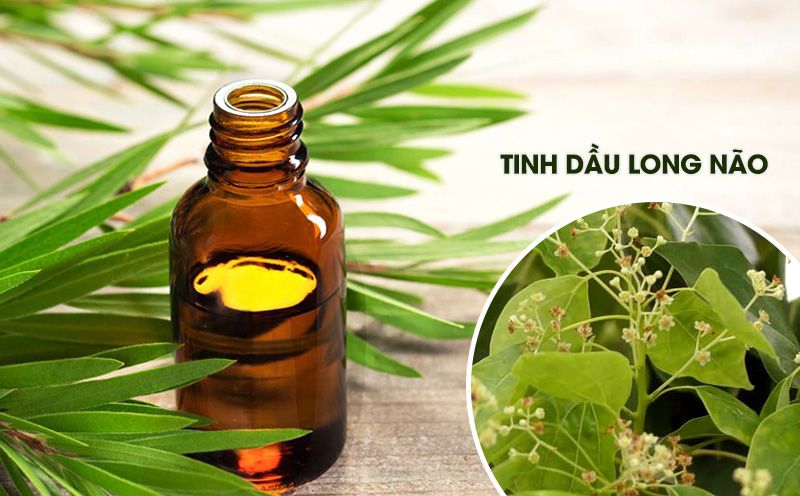
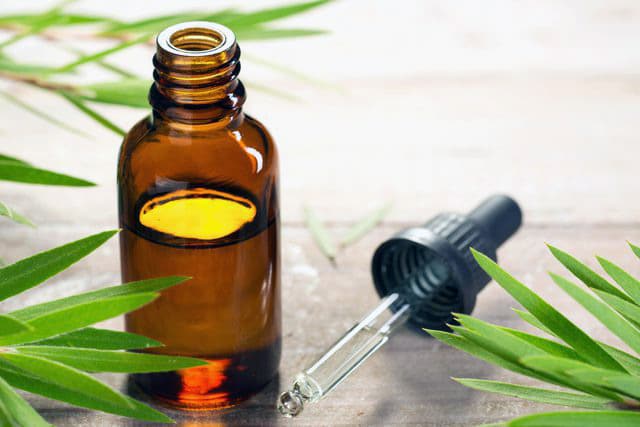
Eucalyptus essential oil is one of the most widely used natural essential oils in oral care, personal care, flavor and fragrance products, and products supporting respiratory health. Its value is closely associated with its characteristic component, 1,8-cineole, also known as eucalyptol, which contributes to its fresh, slightly camphoraceous aroma and has been extensively studied for various biological activities.
Eucalyptus essential oil has long attracted attention as a multifunctional natural ingredient for various industries. This article provides an overview of eucalyptus essential oil, its key characteristics, and its current applications across different manufacturing sectors.

General Characteristics of Eucalyptus Essential Oil
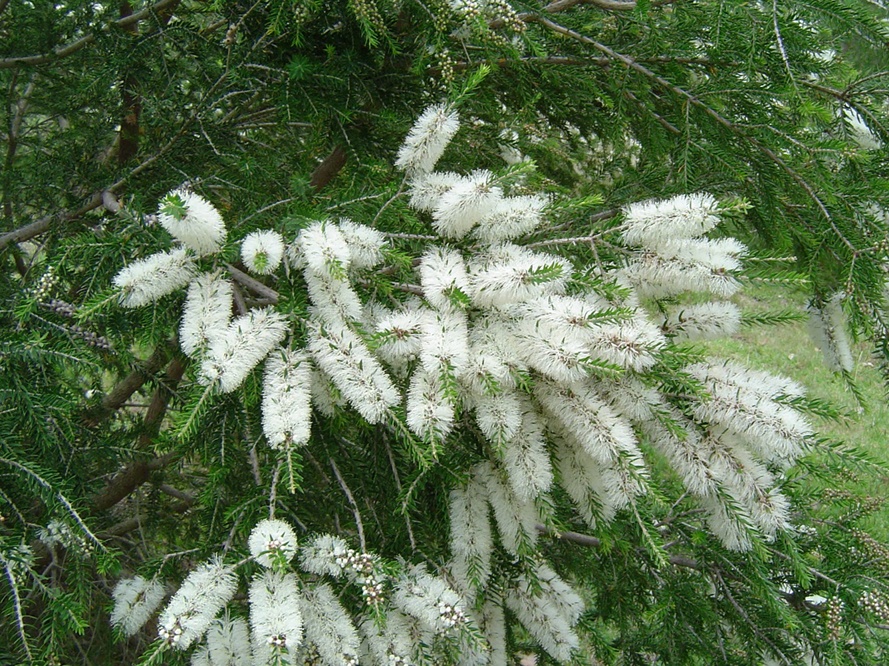
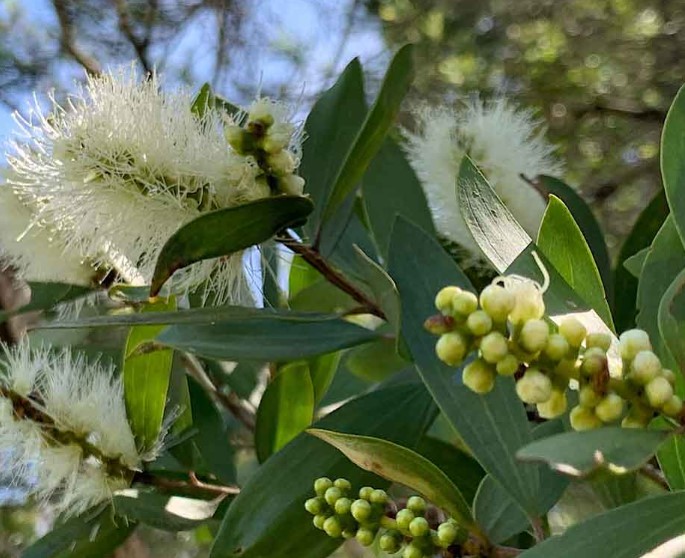
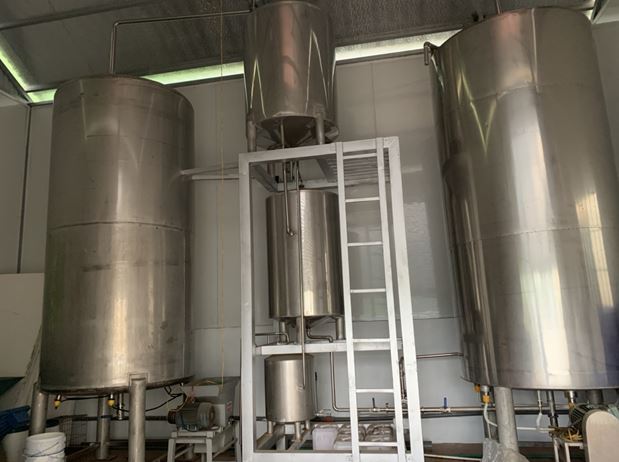
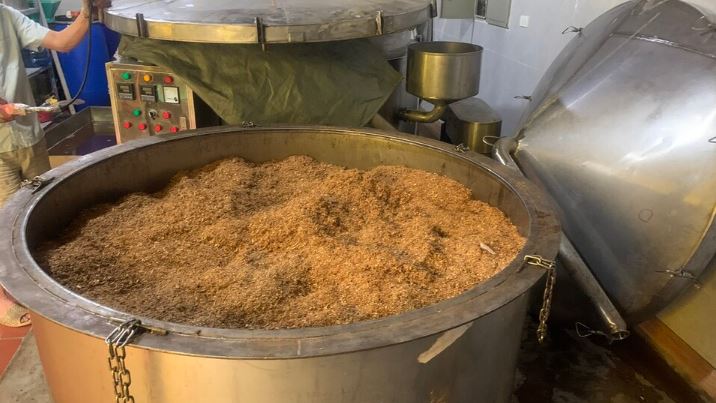
Eucalyptus essential oil is a mixture of volatile compounds obtained from the leaves and young branches of certain species of the genus Eucalyptus, typically through steam distillation.
The genus Eucalyptus includes hundreds of species, and the chemical composition of their essential oils can vary considerably depending on the plant species, geographical origin, climate, harvesting time, plant part used, and distillation method.
One of the most widely used species is Eucalyptus globulus. Other cineole-rich species, such as Eucalyptus polybractea and Eucalyptus smithii, are also commercially cultivated and processed for essential oil production.
Eucalyptus essential oil contains a complex mixture of volatile compounds, primarily monoterpenes and monoterpenoids, which may include:
- 1,8-Cineole (eucalyptol)
- α-Pinene
- β-Pinene
- Limonene
- p-Cymene
- α-Terpineol
- Terpinen-4-ol
- Aromadendrene and various other terpenes
Among these compounds, 1,8-cineole is one of the most important and widely studied constituents of commercially available eucalyptus essential oils.
Studied Biological Properties
Eucalyptus essential oil, particularly cineole-rich oils, has been investigated for a range of biological activities, including:
- Anti-inflammatory activity
- Antimicrobial activity
- Effects on microbial biofilms
- Mucus-regulating and mucolytic/expectorant effects
- Effects on certain cytokines and inflammatory mediators
These findings provide part of the scientific basis for the growing interest in eucalyptus essential oil and 1,8-cineole for applications in oral care, personal care, and products designed to support respiratory health.
Common Types of Eucalyptus Essential Oils Worldwide
The genus Eucalyptus comprises hundreds of species, but only a limited number are widely cultivated or harvested for essential oil production. The chemical composition of eucalyptus essential oils can vary considerably. Some are rich in 1,8-cineole (eucalyptol), while others are characterized by citronellal, piperitone, α-pinene, or other terpenes.
| No. | Essential Oil | Botanical Name | Origin / Major Production Regions | Typical 1,8-Cineole Content | Major Constituents |
| 1 | Blue Gum Eucalyptus Oil | Eucalyptus globulus | Native to Australia; now cultivated and produced in Australia, China, India, Southern Europe, South America, Vietnam, and other regions | Typically 60–85%; standardized grades may contain ≥80% | 1,8-Cineole, α-pinene, limonene, p-cymene, α-terpineol |
| 2 | Narrow-leaved Eucalyptus Oil | Eucalyptus radiata | Australia | Approximately 60–75% | 1,8-Cineole, α-terpineol, α-pinene, limonene |
| 3 | Smith’s Eucalyptus Oil | Eucalyptus smithii | Native to Australia; also cultivated in South Africa and other regions | Approximately 70–80% | 1,8-Cineole, α-pinene, limonene, α-terpineol |
| 4 | Blue Mallee Eucalyptus Oil | Eucalyptus polybractea | Australia | Typically approximately 70–90% | 1,8-Cineole, α-pinene, limonene, p-cymene |
| 5 | River Red Gum Eucalyptus Oil | Eucalyptus camaldulensis | Native to Australia; now widely distributed across Asia, Africa, South America, and the Mediterranean region | Highly variable: approximately <10–75%; some chemotypes may reach 80–90% | 1,8-Cineole, α-pinene, p-cymene, α-phellandrene, γ-terpinene, cryptone |
| 6 | Peppermint Eucalyptus Oil | Eucalyptus dives | Australia | Generally low | Piperitone, α-phellandrene, p-cymene, terpinen-4-ol; some chemotypes contain cineole |
| 7 | Lemon Eucalyptus Oil | Corymbia citriodora (formerly Eucalyptus citriodora) | Native to Australia; widely cultivated in Brazil, China, India, Africa, and other tropical regions | Generally very low or not a major constituent | Citronellal, citronellol, isopulegol |
| 8 | Lemon Ironbark / Eucalyptus Staigeriana Oil | Corymbia citriodora subsp. variegata / historically associated with Eucalyptus staigeriana | Australia; significant commercial production also occurs in Brazil | Generally low | Limonene, citral (geranial + neral), and other monoterpenes |
Key Differences Between Eucalyptus Essential Oils
Not all essential oils marketed under the name Eucalyptus are rich in 1,8-cineole.
Species such as Eucalyptus globulus, E. polybractea, E. smithii, and E. radiata are commonly selected when a high 1,8-cineole content is required. These oils are also more suitable for applications in oral care, cough drops, and respiratory-care products.
In contrast, Lemon Eucalyptus (Corymbia citriodora) has a very different chemical composition. Its leaf essential oil is typically characterized by a high citronellal content, with some studies reporting levels of around 66%, rather than 1,8-cineole. As a result, its aroma is more lemony and lemongrass-like, with a strong, distinctive character.
Similarly, Eucalyptus dives includes chemotypes rich in piperitone. Eucalyptus camaldulensis, in particular, shows considerable chemical variability. Studies from different countries have reported 1,8-cineole concentrations ranging from below 10% to above 70%, alongside other chemotypes characterized by high levels of p-cymene, α-phellandrene, or cryptone.
General Overview of 1,8-Cineole (Eucalyptol)
1,8-Cineole, also known as eucalyptol, is a naturally occurring monoterpene oxide with the molecular formula C₁₀H₁₈O. It is a clear, colorless to very pale yellow, volatile liquid with a distinctive aroma that is fresh, strong, and slightly camphoraceous.
1,8-Cineole occurs naturally in many essential oils, including eucalyptus, cajeput, rosemary, and bay leaf oils. Among these, cineole-rich eucalyptus species are an important natural source for the commercial production of this compound.
It is important to note that 1,8-cineole is not synonymous with eucalyptus essential oil. Eucalyptus essential oil is a natural mixture of numerous volatile compounds, in which 1,8-cineole may be the major constituent at varying concentrations depending on the species, geographical origin, and production conditions.
1,8-Cineole/eucalyptol has long attracted interest for applications in pharmaceuticals, respiratory health products, oral care, lozenges, food and beverages, flavor and fragrance formulations, and personal care products.
How Is 1,8-Cineole Produced and Isolated?
Industrially, 1,8-cineole (eucalyptol) can be obtained from cineole-rich natural essential oils, particularly eucalyptus essential oil. After the essential oil is distilled from plant material, 1,8-cineole can be separated and enriched using processes such as fractional distillation, vacuum distillation, and other appropriate purification techniques.
Depending on the intended application, these processes can produce standardized eucalyptus essential oil with a high cineole content or can be followed by further purification to obtain high-purity 1,8-cineole, with some commercial grades reaching ≥98% purity.
In addition to natural sources, 1,8-cineole can also be produced through synthetic processes or chemical conversion of terpenes. Therefore, when used in food, pharmaceutical, flavor, or fragrance applications, it is important to distinguish between materials of natural origin and those of synthetic origin.

What Products Commonly Use Eucalyptus (Eucalyptus globulus) Essential Oil?
Eucalyptus (Eucalyptus globulus) essential oil is one of the most widely used types of eucalyptus oil in Vietnam and worldwide. Therefore, from this section onward, we will focus specifically on the applications and regulations related to this type of eucalyptus essential oil.
The value of Eucalyptus globulus essential oil is primarily associated with two groups of properties:
The first is its sensory properties. Its strong, fresh, cooling, slightly camphoraceous, and herbal aroma creates a distinctive sense of cleanliness, freshness, and open breathing.
The second is its studied biological activities, largely associated with its high 1,8-cineole content, including:
- Antimicrobial activity
- Effects on microbial biofilms
- Anti-inflammatory activity
- Effects on certain cytokines and inflammatory mediators
- Studied expectorant and mucus-regulating effects of cineole
- Antioxidant activity observed in certain experimental systems
These characteristics extend the potential applications of eucalyptus essential oil beyond its traditional role as a flavor and fragrance ingredient to a broader range of functional products.
Oral Care Products
Oral care is one of the notable application areas for eucalyptus essential oil. With its fresh, herbal, slightly camphoraceous aroma and characteristic cooling sensation, eucalyptus essential oil is well suited for use in products such as toothpaste, mouthwash, breath-freshening products, gum-care products, chewing gum, and other oral hygiene formulations.
In addition to providing flavor and a clean, refreshing sensation, eucalyptus essential oil has also been studied for its antimicrobial activity and its potential to inhibit biofilm formation by certain microorganisms associated with oral diseases.
In 2023, Balhaddad and AlSheikh published a study entitled “Effect of eucalyptus oil on Streptococcus mutans and Enterococcus faecalis growth” in BDJ Open. The study investigated the effects of eucalyptus oil on Streptococcus mutans—a bacterium that plays an important role in dental caries—and Enterococcus faecalis, a bacterium commonly associated with root canal infections and persistent infections following endodontic treatment.
Under the experimental conditions, diluted eucalyptus oil significantly reduced the growth and biofilm formation of both bacteria. The authors reported that the biofilms of S. mutans and E. faecalis were reduced by approximately 60-fold and 30-fold, respectively, compared with the control group without eucalyptus oil.
In addition, a clinical trial entitled “Efficacy of a Eucalyptus oil-based dentifrice in reducing plaque and gingival bleeding scores – A randomized clinical crossover study,” published in 2024 in the Journal of Advanced Pharmaceutical Technology & Research, directly evaluated a toothpaste containing eucalyptus essential oil.
The study involved 60 participants with gingivitis and compared a eucalyptus oil-based toothpaste with a toothpaste containing Miswak (Salvadora persica). The results showed that both toothpastes significantly reduced plaque scores. Notably, the eucalyptus oil-based toothpaste was also associated with a reduction in gingival bleeding during the study period.
These findings suggest that eucalyptus essential oil has potential for use in oral care products not only because of its fresh aromatic profile, but also because of emerging evidence regarding its effects on oral bacteria, biofilms, dental plaque, and gingival health. However, actual efficacy depends on factors such as essential oil concentration, formulation composition, dosage form, and testing of the finished product.
Products Supporting Bronchial and Respiratory Health
Eucalyptus essential oil has long been used in a variety of respiratory-care products due to its strong, fresh aroma and characteristic sensation of open breathing. Cough drops, throat lozenges, cough syrups, throat sprays, topical oils, chest rubs, and other respiratory-care preparations are among the product categories in which eucalyptus essential oil or purified 1,8-cineole (eucalyptol) may be used.
For products designed to help relieve symptoms associated with bronchitis and respiratory tract inflammation, eucalyptus essential oil first provides value through its flavor, aroma, and sensory effects. Its 1,8-cineole content contributes a characteristic fresh, herbal, eucalyptus-like, and slightly camphoraceous profile, making it particularly suitable for throat-care and respiratory-care products.
In the development of these products, eucalyptus essential oil can be combined with various other ingredients, including:
- Menthol: provides a strong cooling, clean, and refreshing sensation.
- Mint essential oil: enhances the natural character, freshness, and recognizable mint profile of throat-care products.
- Honey + Lemon essential oil: balances the strong character of eucalyptus with the sweetness of honey and the bright, fresh flavor of lemon.
- Ginger essential oil + Lemon essential oil: creates a warm, spicy, and refreshing flavor profile suitable for herbal throat and respiratory-care products.
Beyond its sensory value, 1,8-cineole has been extensively studied for its effects on the respiratory system. Experimental and clinical studies have associated 1,8-cineole with anti-inflammatory activity, modulation of certain inflammatory mediators, and effects that may support the regulation, thinning, and clearance of mucus from the respiratory tract. These properties have contributed to scientific interest in 1,8-cineole for conditions such as bronchitis, bronchial asthma, and chronic obstructive pulmonary disease (COPD).
Notably, the study “Efficacy of cineole in patients suffering from acute bronchitis: a placebo-controlled double-blind trial” evaluated 1,8-cineole in patients with acute bronchitis. In this study, patients received 200 mg of cineole three times daily for 10 days. The results showed improvements in the Bronchitis Sum Score (BSS)—a composite score used to assess bronchitis symptoms—in the cineole group compared with the placebo group.
However, it is important to clearly distinguish between clinical evidence for standardized 1,8-cineole and the use of eucalyptus essential oil in lozenges or other throat-care products. Most clinical trials investigating bronchitis have used purified 1,8-cineole at controlled oral doses rather than lozenges containing eucalyptus essential oil.
For cough drops and throat lozenges, eucalyptus essential oil is therefore more appropriately described as providing flavor, freshness, and a sensation of open breathing while supporting the positioning of products for throat and respiratory care. Any therapeutic claims should be supported by the dosage, finished-product formulation, dosage form, and direct clinical evidence for the specific product.
Food and Beverage Products
In the food and beverage industry, eucalyptus essential oil can be used as a natural flavoring ingredient, particularly in formulations designed to create fresh and cooling sensory profiles.
In confectionery products, eucalyptus essential oil is commonly used in soft candies, hard candies, lozenges, chewing gum, and other confectionery products designed to deliver a fresh, refreshing, and soothing sensory experience. It is particularly useful when manufacturers want to create strong and distinctive flavor profiles that differ from conventional fruit flavors or milder mint profiles.
In beverage development, eucalyptus essential oil can be explored for herbal teas, soft drinks, premium non-alcoholic beverages, and botanical formulations designed to deliver distinctive and refreshing flavor experiences. Its cooling character can provide an interesting accent and enhance citrus, fruit, spice, or naturally sweet flavor profiles.
Application as a Natural Food and Beverage Preservative
Eucalyptus essential oil has also been investigated for its activity against various microorganisms associated with food spoilage. The study “Eucalyptus Essential Oil as a Natural Food Preservative: In Vivo and In Vitro Antiyeast Potential” evaluated the anti-yeast activity of Eucalyptus globulus essential oil and investigated its application in mixed fruit juice. The findings demonstrated the potential of eucalyptus essential oil for the development of plant-derived food preservation systems.
Beyond direct incorporation into foods, recent research has explored technologies such as nanoemulsions, edible coatings, and active packaging containing eucalyptus essential oil. These approaches aim to provide controlled release of volatile compounds and inhibit microbial growth without requiring large amounts of essential oil to be added directly to the food product.
This is particularly relevant because the strong aroma of eucalyptus is one of its major limitations in food applications. Concentrations sufficient to provide antimicrobial activity may also produce an excessively strong aroma and negatively affect consumer acceptance. Controlled-release technologies may therefore help balance preservation performance with sensory quality.
Cosmetics and Personal Care Products
Eucalyptus essential oil is used in a wide range of cosmetic and personal care products, particularly in formulations designed to provide clean, fresh, herbal, and refreshing sensory characteristics. The distinctive eucalyptus aroma, especially in essential oils rich in 1,8-cineole (eucalyptol), makes the ingredient easily recognizable even when used at relatively low concentrations.
In body-cleansing products such as body washes, shower gels, and soaps, eucalyptus essential oil is commonly used as a fragrance ingredient to create a clean and refreshing sensation after use. Eucalyptus can also be combined with peppermint, citrus, rosemary, tea tree, and other herbal notes to develop fragrance profiles suitable for personal hygiene and body-care products.
In shampoos and hair and scalp-care products, eucalyptus essential oil provides a fresh and clean sensory experience, making it suitable for deep-cleansing products and formulations positioned around plant-derived ingredients. Similarly, its strong and fresh aromatic character can be utilized in deodorizing products and foot-care formulations, where cleanliness and odor control are important sensory considerations.
Another important application category includes massage oils, topical oils, balms, and similar preparations. In these formulations, eucalyptus essential oil is often combined with menthol, peppermint essential oil, camphor, cajeput essential oil, or other essential oils to create a cooling, pleasant, and refreshing sensation that can be balanced with the warming character of other essential oils.
In addition to its fragrance function, the antimicrobial activity of eucalyptus essential oil has been investigated in numerous laboratory studies. Some studies have reported inhibitory effects against certain bacteria and fungi under specific experimental conditions. The chemical composition of the oil, particularly 1,8-cineole together with other monoterpenes and monoterpenoids, is considered one of the factors contributing to these biological activities.
These findings support further investigation of eucalyptus essential oil for cleansing, body-care, scalp-care, and odor-control products. However, antimicrobial activity observed for the raw essential oil in in vitro studies does not necessarily mean that a cosmetic product containing eucalyptus essential oil will provide an equivalent antimicrobial effect when used on humans. Actual performance depends on factors such as essential oil concentration, overall formulation, interactions with other ingredients, product format, contact time, and conditions of use.
In addition to efficacy, safety and stability are important considerations in formulation development. Manufacturers should therefore control raw-material quality, storage conditions, use concentration, and finished-product stability, while conducting appropriate safety assessments.

Regulations on the Use of Eucalyptus globulus Essential Oil in Industrial Applications Worldwide
Eucalyptus globulus essential oil is used in a wide range of industries worldwide, including food, flavoring, cosmetics, pharmaceuticals, and healthcare products. However, its use across multiple industries does not mean that the same standards apply to every product. Regulatory requirements depend on the intended application, raw material quality, use level, finished-product formulation, and the regulations of each market.
In particular, it is important to distinguish between natural eucalyptus essential oil—a complex mixture of volatile compounds—and isolated or purified 1,8-cineole (eucalyptol). These two materials may be subject to different quality standards and regulatory requirements.
Pharmaceuticals and Respiratory-Care Products
Eucalyptus globulus essential oil has a long history of pharmaceutical use and is an important natural source for the production of eucalyptus oil rich in 1,8-cineole.
In Europe, the European Medicines Agency (EMA) has established a herbal monograph for Eucalypti aetheroleum – Eucalyptus oil. A revised version was published by the EMA in 2025, and eucalyptus oils derived from species including Eucalyptus globulus are recognized as sources of the herbal preparation. The monograph covers its use in traditional herbal medicinal products, particularly for coughs associated with colds, as well as certain topical applications.
In addition to botanical-source requirements, eucalyptus essential oil intended for pharmaceutical applications must comply with the relevant pharmacopoeial quality standards. These standards may cover not only 1,8-cineole content but also identity, relative density, refractive index, optical rotation, chromatographic profile, and limits for certain other constituents.
At the same time, compliance with a national or regional pharmacopoeial standard does not mean that every product containing eucalyptus essential oil is automatically permitted to make therapeutic claims. A finished medicinal or therapeutic product remains subject to specific requirements concerning formulation, dosage, route of administration, quality, safety, efficacy, and registration in the relevant market.
Australia provides a good example. The Therapeutic Goods Administration (TGA) regulates many eucalyptus-containing products under the therapeutic goods framework, and the Australian Register of Therapeutic Goods (ARTG) includes registered or listed products containing ingredients such as Eucalyptus globulus or Eucalyptus radiata.
Australia also applies specific requirements to certain preparations containing higher concentrations of eucalyptus oil, including requirements relating to packaging, warning statements, and child-resistant packaging, depending on product concentration and container size. This reflects an important principle: the fact that an essential oil is natural does not mean that it can be used without restrictions.
Food and Food Flavoring Applications
In the United States, the U.S. Food and Drug Administration (FDA) lists eucalyptus oil (Eucalyptus globulus), CAS No. 8000-48-4, as a “flavoring agent or adjuvant,” with reference to 21 CFR §172.510. The material is also associated with FEMA No. 2466.
This provides a regulatory basis for the use of eucalyptus oil in certain food-flavoring applications in the United States. However, it does not mean that the ingredient can be used without limitation. Manufacturers must still ensure that the use level is safe, the technological purpose is appropriate, and the finished product complies with all applicable regulatory requirements.
For 1,8-cineole (eucalyptol), the Joint FAO/WHO Expert Committee on Food Additives (JECFA) recognizes the substance as a flavouring agent under JECFA No. 1234 and FEMA No. 2465. JECFA concluded that there is no safety concern at current estimated levels of intake when used as a flavouring agent. The JECFA specification for eucalyptol requires a minimum assay of 98%.
In the European Union (EU), the use of Eucalyptus globulus essential oil as a food-flavoring material falls within the regulatory framework of Regulation (EC) No 1334/2008 on flavourings and certain food ingredients with flavouring properties.
Regulation (EC) No 1334/2008 does not establish a single universal maximum use level for Eucalyptus globulus essential oil applicable to all food categories. Instead, flavourings used in food must comply with the general principles that they do not pose a safety risk to consumers based on the available scientific evidence and that their use does not mislead consumers.
Cosmetics and Personal Care Products
In the cosmetics and personal care industry, eucalyptus essential oil is used in a wide range of products, including cosmetics, skin creams, body washes, soaps, shampoos, massage oils, balms, and other personal care formulations.
In the European Union, cosmetic products must comply with Regulation (EC) No 1223/2009 on cosmetic products. The use of natural ingredients such as eucalyptus essential oil must be considered as part of the safety assessment of the finished product, taking into account factors such as chemical composition, use concentration, route of exposure, and expected level of exposure.
One important consideration for natural essential oils is that certain fragrance constituents may be classified as fragrance allergens and may need to be controlled or declared when the applicable thresholds are exceeded. For eucalyptus essential oil, this means that manufacturers should consider not only its 1,8-cineole content but also the complete chemical composition of the oil. Other constituents such as limonene, linalool, geraniol, or citral may be present depending on the chemical profile of each batch and should be monitored when applying fragrance-allergen requirements.
In addition, the international fragrance industry follows the IFRA Standards established by the International Fragrance Association (IFRA). For natural essential oils such as eucalyptus essential oil, an IFRA assessment must also consider constituents naturally present in the oil that contribute to the permitted limits of substances covered by an IFRA Standard. This is commonly referred to as “contribution from other sources,” meaning that a restricted substance may enter a formulation not only as an individual ingredient but also through natural essential oils or other materials containing that substance. IFRA provides specific guidance on how these contributions should be calculated.
Therefore, for suppliers of eucalyptus essential oil to the fragrance and cosmetics industries, GC-MS analysis, fragrance-allergen information, and detailed compositional data are important documents that enable customers to perform an appropriate IFRA assessment of the final formulation.
In the United States, cosmetics are regulated by the U.S. Food and Drug Administration (FDA) under the Federal Food, Drug, and Cosmetic Act and related regulations, which have been significantly supplemented by the Modernization of Cosmetics Regulation Act of 2022 (MoCRA).
According to the FDA, essential oils used in cosmetics are subject to the same general safety requirements as other cosmetic ingredients. Like most other cosmetic ingredients, eucalyptus essential oil does not require FDA premarket approval. However, companies are legally responsible for ensuring that their products are safe under intended or customary conditions of use and are properly labeled.
Standards for Eucalyptus Essential Oil in Vietnam
The Vietnamese Pharmacopoeia V includes a monograph for Eucalyptus Oil (Aetheroleum Eucalypti), which specifies quality parameters including characteristics, relative density, refractive index, optical rotation, and cineole content. According to this monograph, the cineole content of eucalyptus oil must be at least 60% by volume. This 60% requirement is a quality specification for eucalyptus essential oil as a pharmaceutical raw material under the pharmacopoeial monograph; it is not a cineole-content limit applicable to all products containing eucalyptus essential oil.
For Eucalyptus globulus Labill. essential oil specifically, Vietnam has TCVN 11420:2016 (equivalent to the international standard ISO 770:2002), “Crude or rectified oil of eucalyptus (Eucalyptus globulus Labill.).” This standard covers commercial grades of rectified eucalyptus oil according to their 1,8-cineole content, including:
- Grade 70–75%: rectified eucalyptus oil with a 1,8-cineole content above 70%.
- Grade 80–85%: rectified eucalyptus oil with a 1,8-cineole content above 80%.
In the pharmaceutical sector, cineole/eucalyptol is also used directly as an ingredient in certain medicinal preparations in Vietnam, including oral products, topical preparations, and some products intended for respiratory use.
However, this should not be interpreted as meaning that Vietnam has a single 1,8-cineole concentration requirement applicable to all food, cosmetic, and pharmaceutical products. Specific requirements depend on the type of raw material, intended use, product form, and the applicable regulatory or standard framework.
VIPSEN – A Reliable Eucalyptus Essential Oil Supplier in Vietnam
VIPSEN is a reliable supplier of Eucalyptus globulus essential oil in Vietnam, serving the raw material needs of the pharmaceutical, food and flavor, cosmetics, and personal care industries.
With extensive and well-controlled raw material sources, large-scale supply capacity, and a strict quality control system, VIPSEN is committed to providing eucalyptus essential oil with consistent quality, controlled 1,8-cineole content, and clear traceability.
Our advantages in raw material sourcing, technical expertise, and extensive experience in the essential oil industry enable VIPSEN to supply large volumes at competitive prices while providing comprehensive documentation and technical documents according to customer requirements.
VIPSEN is currently a trusted supplier of eucalyptus essential oil to manufacturers and flavor and fragrance companies in both Vietnam and international markets.
Conclusion
Eucalyptus essential oil, characterized by 1,8-cineole (eucalyptol) as one of its key constituents, is a natural ingredient widely used worldwide in a variety of applications, including oral care, personal care, cough drops and lozenges, food and beverages, and respiratory health products. Research into its antimicrobial, antibiofilm, anti-inflammatory, and respiratory-supporting properties continues to expand the scientific basis for the applications of eucalyptus essential oil and 1,8-cineole.
However, it is important to distinguish between scientific evidence obtained from purified 1,8-cineole and evidence directly related to whole eucalyptus essential oil. When developing products, factors such as botanical origin, 1,8-cineole content, GC-MS profile, dosage, product form, and market-specific regulations should be carefully evaluated to ensure quality, safety, and regulatory compliance.
As a manufacturer and supplier of natural essential oils in Vietnam, VIPSEN provides high-quality eucalyptus essential oil with a stable supply, large-volume capacity, and competitive pricing to meet the raw material needs of both domestic and international customers.
FAQ – Frequently Asked Questions
1. What types of eucalyptus essential oil are commonly used worldwide?
Many Eucalyptus species and related species are commercially harvested for essential oil production, including Eucalyptus globulus, Eucalyptus radiata, Eucalyptus smithii, and Eucalyptus polybractea. Lemon Eucalyptus (Corymbia citriodora, formerly classified within the genus Eucalyptus) is also an important commercial essential oil, although its chemical composition differs significantly from cineole-rich eucalyptus oils.
Among these, Eucalyptus globulus essential oil is one of the most widely commercialized and standardized types. Its key characteristics include a relatively high 1,8-cineole content, a distinctive eucalyptus aroma, and the availability of internationally recognized quality standards. As a result, Eucalyptus globulus essential oil is widely used in pharmaceuticals, oral care, personal care, flavor and fragrance applications, and respiratory health products.
2. Is eucalyptus essential oil permitted for use in food and beverages?
Eucalyptus essential oil can be used as a flavoring ingredient in foods in certain markets, but the conditions of use depend on the country and product category.
In the United States, eucalyptus oil (Eucalyptus globulus) is recognized by the FDA for use as a “flavoring agent or adjuvant” within the regulatory framework for natural flavoring substances. In the EU, the use of flavorings and flavoring preparations is regulated under Regulation (EC) No 1334/2008.
Therefore, the fact that an essential oil has a history of use as a flavoring does not mean that it can be added at any concentration to every type of food. Manufacturers should consider the source of the raw material, chemical composition, use level, food category, and applicable regulations in the market where the finished product will be sold.
3. What regulations should be considered when using eucalyptus essential oil in cosmetics?
Eucalyptus essential oil is used in many cosmetic and personal care products, including body washes, soaps, shampoos, body-care products, massage oils, and balms, due to its fresh, herbal, and slightly camphoraceous aroma.
In the EU, cosmetic products must comply with Regulation (EC) No 1223/2009 and the applicable requirements concerning safety assessment, composition, and labeling. For natural essential oils, manufacturers should also monitor fragrance allergens when they are present at concentrations that trigger declaration requirements in the finished product.
Within the fragrance industry, IFRA Standards are also commonly used to assess the safe use levels of fragrance materials according to product category. Because the composition of natural essential oils can vary between batches, GC/GC-MS data and fragrance-allergen information are particularly important when using Eucalyptus globulus oil in cosmetic formulations.
4. Can eucalyptus essential oil be used for food preservation?
Eucalyptus essential oil has potential for food preservation applications. Numerous studies have investigated its antimicrobial activity against bacteria, yeasts, and other microorganisms associated with food spoilage.
In addition to direct incorporation into food, eucalyptus essential oil has been investigated in nanoemulsions, edible coatings, and active packaging systems. These technologies aim to control the release of volatile compounds while reducing the risk of an excessively strong eucalyptus flavor or aroma affecting the sensory quality of the food.
However, these research applications should be distinguished from regulatory approval of eucalyptus essential oil as a preservative for all food categories. Actual effectiveness depends on the concentration, food matrix, target microorganisms, delivery technology, and regulatory requirements of the relevant market.
5. Why is eucalyptus essential oil widely used in respiratory-care and oral-care products?
One important reason is the characteristic 1,8-cineole (eucalyptol) content of eucalyptus oils such as Eucalyptus globulus.
In respiratory applications, 1,8-cineole has been studied for its effects on inflammatory responses and respiratory mucus regulation. Clinical trials using standardized 1,8-cineole have also been conducted in patients with acute bronchitis, bronchial asthma, and chronic obstructive pulmonary disease (COPD). These findings provide part of the scientific basis for the interest in eucalyptus and cineole in respiratory health products. However, evidence obtained from purified 1,8-cineole should not be directly interpreted as evidence of equivalent therapeutic efficacy for whole eucalyptus essential oil.
In oral care, eucalyptus essential oil provides a clean and refreshing sensory profile and has also been investigated for its antimicrobial activity and effects on biofilms formed by certain microorganisms associated with oral health. For these reasons, eucalyptus essential oil is used in formulations such as toothpaste, mouthwash, and breath-care products.
6. What do Vietnamese standards specify regarding the 1,8-cineole or eucalyptol content of eucalyptus essential oil?
Vietnam has established standards related to the quality of eucalyptus essential oil. The Vietnamese Pharmacopoeia includes a monograph for Eucalyptus Oil (Aetheroleum Eucalypti), in which cineole is one of the important parameters used to evaluate raw-material quality.
Vietnam also has TCVN 11420:2016 (ISO 770:2002) for crude or rectified oil of Eucalyptus globulus Labill. This standard covers grades of eucalyptus oil standardized according to their 1,8-cineole content, including commercial grades of approximately 70–75% and 80–85%.
It is important to distinguish between 1,8-cineole/eucalyptol requirements established as raw-material quality specifications and concentration limits applicable to finished products. These are two different concepts.
7. How is purified 1,8-cineole/eucalyptol produced from eucalyptus essential oil?
Eucalyptus essential oil, particularly oil obtained from cineole-rich eucalyptus species, can be used as a natural raw material for the production of 1,8-cineole.
After the essential oil is obtained by steam distillation, the mixture of volatile compounds can undergo separation and purification processes such as fractional distillation, vacuum distillation, and other appropriate purification techniques. These processes remove or reduce α-pinene, limonene, and other terpenes, thereby enriching the 1,8-cineole fraction.
Further purification can produce very high-purity 1,8-cineole/eucalyptol, with some commercial grades reaching 98% purity or higher. This is a different material from conventional Eucalyptus globulus essential oil, which may contain approximately 70–85% cineole.
When used in food, pharmaceuticals, or other specialized applications, it is important to distinguish naturally derived 1,8-cineole from material produced through other manufacturing routes and to consider the applicable purity specifications and regulatory requirements of each market.
8. Are eucalyptus essential oil and “bạch đàn” essential oil different?
In Vietnamese, the terms “tinh dầu khuynh diệp” and “tinh dầu bạch đàn” are often used to describe essential oils obtained from species belonging to the genus Eucalyptus. Therefore, the Vietnamese terms “khuynh diệp” and “bạch đàn” are sometimes used interchangeably.
However, not all essential oils derived from Eucalyptus species are chemically identical. Their composition can vary considerably depending on the species and chemotype. For example, Eucalyptus globulus essential oil is typically rich in 1,8-cineole (eucalyptol), whereas other species or chemotypes may contain lower levels of cineole and may instead be characterized by other major constituents.
Therefore, in commercial and technical documentation, it is advisable not to rely solely on the general term “eucalyptus essential oil.” The botanical name, such as Eucalyptus globulus Labill., should be clearly specified together with the origin, 1,8-cineole content, and GC/GC-MS profile to accurately identify the essential oil.
________________
Representative scientific documents
Fischer J, Dethlefsen U. Efficacy of cineole in patients suffering from acute bronchitis: a placebo-controlled double-blind trial. Cough. 2013;9:25.
Juergens UR et al. Anti-inflammatory activity of 1.8-cineol (eucalyptol) in bronchial asthma: a double-blind placebo-controlled trial. Respiratory Medicine. 2003;97:250–256.
Worth H, Dethlefsen U. Patients with asthma benefit from concomitant therapy with cineole: a placebo-controlled, double-blind trial. Journal of Asthma. 2012;49:849–853.
Worth H, Schacher C, Dethlefsen U. Concomitant therapy with Cineole (Eucalyptole) reduces exacerbations in COPD: a placebo-controlled double-blind trial. Respiratory Research. 2009;10:69.
Tyagi AK, Malik A. Antimicrobial potential and chemical composition of Eucalyptus globulus oil in liquid and vapour phase against food spoilage microorganisms. Food Chemistry. 2011;126:228–235.
Tyagi AK et al. Eucalyptus Essential Oil as a Natural Food Preservative: In Vivo and In Vitro Antiyeast Potential. BioMed Research International. 2014;2014:969143.
Hendry ER et al. Antimicrobial efficacy of eucalyptus oil and 1,8-cineole alone and in combination with chlorhexidine digluconate against microorganisms grown in planktonic and biofilm cultures.
Contact VIPSEN today for consultation and product samples!
Phone / WhatsApp / Zalo / WeChat / Kakao Talk / LINE / Skype / Viber: +84 868 855 086
Email: info@vipsen.vn
Office address: D7-TT9, Foresa Street, Xuan Phuong Urban Area, Xuan Phuong Ward, Nam Tu Liem District, Hanoi, Vietnam
Essential oil production facility: Bai Dai Area, Tien Xuan Commune, Thach That District, Hanoi, Vietnam
Share this article with your friends
Help your friends absorb interesting knowledge from VIPSEN


Related articles