Fragrance & the Mind: The Science of How Scent Influences Emotion, Cognition and Mental Well-being


A familiar scent can suddenly transport us back to childhood memories. A floral aroma may evoke the image of a garden, the smell of freshly baked goods may remind us of a family kitchen, while fresh citrus notes are often associated with energy and a sense of refreshment.
These seemingly simple experiences reflect the complex relationship between fragrance and the mind.
Our sense of smell does more than simply detect odor molecules in the environment. It is also involved in emotional processing, memory formation and the way we perceive and evaluate the world around us.
Advances in neuroscience, cognitive psychology and sensory science are helping researchers better understand how the brain processes scent, why people prefer certain odors, and how olfactory experiences may influence mood and well-being.
For the fragrance industry, these insights are opening up new directions for innovation. Fragrances are no longer designed simply to smell pleasant; they are increasingly being developed to create meaningful emotional and multisensory experiences for consumers.
Within this evolving landscape, plant-derived fragrance materials, particularly natural essential oils, continue to play an important role. Their complex aromatic profiles can bring diverse and vibrant olfactory characteristics to fragrance compositions, ranging from fresh and herbal to warm and spicy. When appropriately selected, formulated and used within established safety limits, natural essential oils can provide valuable fragrance ingredients for a wide range of consumer applications.

How Does the Sense of Smell Connect with the Brain?
How Humans Perceive Odors
Olfaction is a chemical sensory system that enables humans to detect and recognize volatile compounds in the environment.
When we breathe in, odor molecules (odorants) enter the nasal cavity and come into contact with the olfactory epithelium.
There, odor molecules interact with olfactory receptors located on olfactory sensory neurons.
This interaction initiates the conversion of chemical information into neural signals.
These signals are then transmitted to the olfactory bulb, where the initial information is processed before being sent to brain regions involved in odor recognition, memory and evaluation.
This process can be summarized as follows:
Odor molecules → Olfactory receptors → Olfactory bulb → Odor-processing brain networks → Perception and emotional responses.
However, our experience of a scent is not determined solely by the signals transmitted from the nose.
The brain also integrates olfactory information with memories, personal experiences, attention and context to shape our overall perception.
This helps explain why the same scent may be perceived and evaluated differently by different people or under different circumstances.
Important Brain Regions Involved in Scent and Emotion
The olfactory system has distinctive anatomical connections with brain networks involved in emotion and memory.
Some of the key structures include:
| Brain region | Functions related to olfactory experience |
| Olfactory bulb | Receives and performs the initial processing of olfactory signals. |
| Piriform cortex | Involved in processing, encoding, recognizing and learning odor characteristics. |
| Amygdala | Involved in evaluating the emotional significance of stimuli and forming emotional memories. |
| Hippocampus | Involved in the formation and retrieval of memories, particularly those associated with context and personal experiences. |
| Orbitofrontal cortex | Involved in evaluating odor pleasantness and perceived value, as well as integrating information from multiple senses. |
Unlike many other sensory pathways, olfactory signals can reach primary olfactory cortical regions without first passing through the thalamus as a relay station.
This distinctive neural organization helps explain the close relationship between smell, emotion and memory. However, this does not mean that every scent automatically produces an emotional response or that the same scent affects everyone in the same way.
Research in olfactory neuroscience indicates that odor perception results from coordinated activity across multiple brain networks rather than from a single, isolated emotional center.
Why Can Scent Influence Mood?
The Connection Between Olfaction and Emotion
Scents can evoke a wide range of emotional responses, from pleasure, comfort and relaxation to discomfort, anxiety or avoidance.
In psychology, two concepts are commonly used to describe emotional responses to odors:
- Emotional valence: the positive or negative quality of an emotional response, such as pleasantness or unpleasantness.
- Arousal: the degree of psychological and physiological activation produced by a stimulus.
These two dimensions are not the same.
A scent may be perceived as pleasant while creating a sense of calm and relaxation. In contrast, another equally pleasant scent may feel fresh and lively or increase alertness.
For example, in fragrance development, different olfactory families are often used to create different emotional directions:
| Fragrance family | Sensory characteristics | Common emotional associations used in fragrance development |
| Citrus | Fresh, bright, juicy | Refreshing, energetic, positive |
| Floral | Floral, soft, elegant | Gentle, pleasant, romantic |
| Herbal | Herbal, green, natural | Fresh, close to nature |
| Woody | Woody, warm, deep | Grounded, sophisticated, luxurious |
| Gourmand | Sweet, creamy, vanilla, caramel | Comforting, nostalgic, indulgent |
| Spicy | Spicy, warm, complex | Warm, vibrant, powerful |
Note: These are common sensory and emotional associations used in fragrance creation. They should not be interpreted as evidence that each fragrance family consistently produces a specific psychological state.
Can Scent Change Our Mood?
Scientific research suggests that olfactory stimulation can influence emotions and mood under certain conditions.
A scientific review entitled Behavioral and Neurobiological Convergence of Odor, Mood and Emotion examines the relationship between odor, mood and emotion from both behavioral and neurobiological perspectives.
The studies reviewed suggest that pleasant and unpleasant odors can produce different emotional responses and may also influence how people perceive and evaluate their surrounding environment.
However, the effects of scent are not determined solely by the odor molecules themselves.
Factors such as individual preferences, associated memories, odor intensity, duration of exposure and the context in which the scent is experienced can also influence the response.
Therefore, when developing fragrances intended to evoke particular emotional experiences, researchers and fragrance developers should evaluate responses within the target consumer group rather than assume that a particular scent will produce the same effect in everyone.
Why Can a Scent Awaken Our Memories?
One of the most remarkable characteristics of our sense of smell is its ability to evoke personal memories closely associated with emotions.
This phenomenon is commonly referred to as odor-evoked autobiographical memory.
The Connection Between Scent, Memory and Emotion
A familiar scent can bring back experiences that occurred many years ago.
It might be the smell of flowers from a childhood garden, the aroma of a family meal, or a perfume associated with someone close to us.
Memories triggered by scent can sometimes feel particularly vivid and emotionally powerful.
Research on memory suggests that personal memories evoked by odors may have different characteristics from those triggered by visual or verbal cues.
One scientific review used the term LOVER to describe five characteristics commonly associated with odor-evoked memories:
| Component | Meaning |
| L – Limbic | Associated with brain networks involved in emotional processing. |
| O – Old | Tend to evoke memories from earlier periods of life. |
| V – Vivid | Can produce a vivid sense of recollection. |
| E – Emotional | Often carry strong emotional content. |
| R – Rare | These memories may occur less frequently but can feel particularly distinctive or significant. |
This helps explain why a scent can sometimes create such a powerful personal connection.
Applying Scent-Evoked Memories in Fragrance Development
For perfumers, memory is an important source of inspiration.
A fragrance composition can be designed to evoke:
- Natural environments such as forests, meadows or the sea.
- Familiar experiences such as bathing, cooking or relaxing.
- Cultural elements such as traditional herbs, flowers, spices and foods.
- Personal moments associated with feelings of safety, comfort or happiness.
In this context, the goal of fragrance development is not simply to create an appealing scent.
More importantly, perfumers seek to build an emotional connection between consumers and products.
This is one of the foundations behind the growing development of emotional fragrance concepts in the modern fragrance industry.
What Determines How Much We Like a Scent?
An important question in fragrance research is:
Why is a scent loved by many people but less appealing to others?
Odor pleasantness, or fragrance liking, results from the interaction of multiple factors.
Chemical Characteristics of Odor Molecules
Molecular structure plays an important role in shaping how an odor is perceived.
A 2022 study published in Current Biology, titled “The Perception of Odor Pleasantness Is Shared Across Cultures,” investigated how people from different cultures rated the pleasantness of monomolecular odorants.
The study found that:
- The characteristics of odor molecules explained approximately 41% of the variation in odor pleasantness rankings.
- Cultural differences explained approximately 6%.
- Individual differences accounted for approximately 54%.
These findings suggest that the perception of odor pleasantness is shared to a considerable extent across cultures, while substantial differences between individuals still remain.
It is important to note that the study used monomolecular odorants under experimental conditions. Therefore, these percentages cannot be directly applied to complex perfume or fragrance formulations.
Familiarity and Personal Experience
A scent that appears frequently in everyday life may become familiar and easier to recognize.
However, familiarity does not necessarily mean preference.
If a scent is associated with a positive experience, it may evoke pleasant associations.
Conversely, a scent previously experienced in a negative context may feel unpleasant to an individual, even if other people find the same scent appealing.
This process is related to associative learning, in which the brain forms connections between an odor stimulus and the experiences that accompany it.
Culture and Context of Use
Culture influences the aromatic materials people are regularly exposed to, the way they describe scents, and the meanings they associate with olfactory experiences.
For example, traditional spices, herbs, flowers and foods may evoke different associations across markets.
In global fragrance development, this creates a need to balance:
Global appeal and local relevance.
Fragrance developers need to understand the olfactory characteristics that appeal broadly to consumers while also exploring nuances that reflect the culture, preferences and consumption habits of individual markets.

Fragrance and Mental Well-being: From Pleasant Experiences to Well-being
What Does “Well-being” Mean in the Fragrance Industry?
In the fragrance industry, “well-being” is commonly used to describe a state of feeling comfortable, relaxed, positive or satisfied with a personal experience.
The concept is related to mental well-being, but it should not be interpreted as the treatment of mental health disorders.
A pleasant scent may contribute to a more enjoyable product experience, support feelings of relaxation or create positive emotional associations.
However, the extent of these effects depends on multiple factors and should be validated using appropriate research methods.
Scientific Evidence on Scent and Mental Well-being
A scientific review titled “The Role of Odor-Evoked Memory in Psychological and Physiological Health” examined the role of positive memories triggered by odors.
The studies reviewed suggest that odors associated with positive memories may have the potential to:
- Increase positive emotions.
- Reduce certain negative mood states.
- Help reduce perceived stress.
- Produce changes in certain physiological indicators associated with stress under experimental conditions.
Importantly, these responses are not determined solely by the chemical composition of an odor. They can also be influenced by odor pleasantness, intensity, familiarity, personal experience and the context of exposure.
This represents an important distinction between research on olfactory emotion and approaches based solely on the chemical composition of fragrance materials.
Can Natural Essential Oils Support Mental Well-being?
Natural essential oils contain numerous volatile compounds capable of creating a wide range of olfactory experiences.
A number of clinical studies have evaluated the use of essential oils in contexts related to stress and anxiety.
Notably, a systematic review and network meta-analysis published in 2023 included 44 randomized controlled trials involving 3,419 participants to evaluate essential oils in anxiety-related settings.
However, these studies differed considerably in the types of essential oils investigated, methods of administration, duration of intervention and participant populations.
Therefore, the findings should not be interpreted as evidence that all essential oils can reduce anxiety or improve mental well-being.
For the fragrance industry, the available evidence is more appropriately used to investigate how fragrances can contribute to pleasant sensory experiences and specific emotional responses, rather than to make therapeutic claims without sufficient supporting evidence.
How Is Neuroscience Changing Fragrance Development?
Traditionally, fragrance evaluation has focused on factors such as olfactory characteristics, intensity, longevity and consumer liking.
Today, advances in neuroscience and sensory science are expanding the scope of fragrance research to include emotional responses and the overall consumer experience.
Consumer Neuroscience
Consumer neuroscience examines how people respond to products, brands and marketing stimuli using methods related to neural activity, psychology and physiology.
In the fragrance industry, these approaches can help researchers understand:
- How consumers respond to different fragrance families.
- Which scents are perceived as pleasant or appealing.
- The relationship between olfactory experiences and emotional states.
- Differences in responses among consumer groups.
- How fragrance contributes to the overall product experience.
Research methods may include sensory questionnaires, reaction-time measurements, physiological indicators, electroencephalography (EEG) or functional magnetic resonance imaging (fMRI), depending on the research objective.
Each method has its own strengths and limitations. No single measurement can fully and precisely capture the complexity of human emotions.
Emotional Mapping
Emotional mapping is an approach used to describe the relationship between fragrance characteristics and consumers’ emotional responses.
For example, fragrance samples may be evaluated according to attributes such as:
- Relaxing.
- Refreshing.
- Comforting.
- Energizing.
- Luxurious.
- Nostalgic.
The resulting data can help perfumers identify fragrance families and olfactory directions that align with specific product development objectives.
Instead of simply asking, “Do consumers like this fragrance?”, researchers can expand the question to:
“How does this fragrance make consumers feel, and does that experience align with the product’s intended positioning?”
Applications of Artificial Intelligence
Artificial intelligence (AI) is creating new possibilities for analyzing sensory data and supporting fragrance formulation and development.
AI can be used to:
- Analyze consumer fragrance evaluation data.
- Identify relationships between sensory attributes and consumer liking.
- Segment consumers according to fragrance preferences.
- Help predict certain sensory characteristics based on chemical data.
- Suggest potential formulation directions for perfumers to explore and test further.
However, the quality of these predictions depends on the quality of the training data and their validation through experimental testing.
AI should therefore be viewed as a tool that supports professional expertise rather than as a complete replacement for evaluation by perfumers and consumers.
One notable industry example is MANE’s WellMotion program.
This technology combines approaches from cognitive science, psychology and consumer response research to investigate the relationship between fragrance and emotion.
According to information published by MANE, the program uses both subjective evaluation data and physiological indicators to support the analysis of emotional responses to fragrance.
This approach illustrates how the fragrance industry is gradually moving beyond product development based primarily on olfactory perception toward methods that combine perfumery expertise, consumer data and scientific research tools.
However, claims regarding the accuracy and ability of individual technologies to predict emotional responses should be evaluated on the basis of independently validated evidence.
From Pleasant Scents to Multisensory Experiences
Another important trend in the personal care industry is the growing focus on multisensory experiences.
Consumers do not evaluate a product based on fragrance alone.
They also perceive its color, texture, smoothness, temperature, sound and the sensory changes that occur during use.
For example, the experience of using a shower gel may be shaped by a combination of:
Fragrance + Product texture + Foaming properties + Skin feel + After-use experience.
A fresh fragrance combined with a lightweight gel texture may create a very different experience from the same fragrance used in a rich, creamy body wash.
This demonstrates that fragrance development cannot be separated from the product base, formulation and intended application.
In practice, perfumers and fragrance developers need to consider:
- Fragrance bloom during use.
- Fragrance longevity.
- Compatibility with the product base.
- Changes in the fragrance profile throughout product use.
- How well the fragrance matches the sensory experience delivered by the product.
The ultimate goal is to create a cohesive experience in which fragrance contributes to and reinforces the overall sensory value of the product.
Applying Natural Essential Oils in Emotion-Oriented Fragrance Development
The Role of Natural Essential Oils in Fragrance Creation
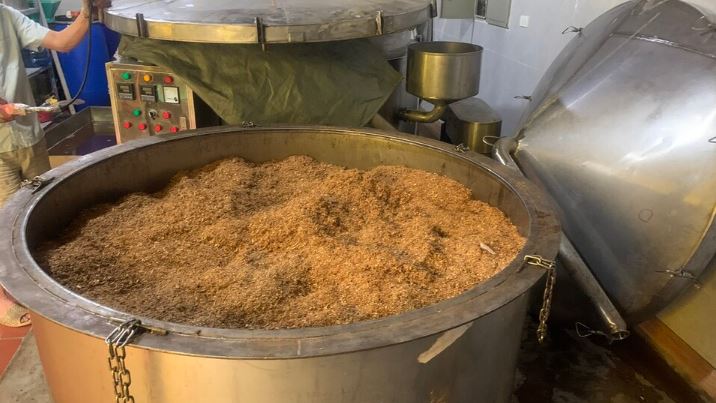
Natural essential oils are complex mixtures of volatile compounds obtained from plant materials through appropriate extraction methods, most commonly distillation.
Depending on the plant species, plant part used, cultivation conditions and production method, essential oils can exhibit very different olfactory characteristics.
In fragrance development, particularly with the growing clean-label trend and preference for plant-derived ingredients, natural essential oils are increasingly valued for creating natural and vibrant sensory profiles such as:
- Fresh and clean.
- Green and herbal.
- Floral and fruity.
- Warm and spicy.
- Woody, resinous and deep.
Beyond their natural and vibrant olfactory characteristics, the botanical origin and story behind an ingredient can also contribute to the perceived value and identity of a product.
However, natural origin alone does not demonstrate that an ingredient provides psychological benefits or is inherently safer than a synthetic material.
Vietnamese Natural Essential Oils with Potential Applications in Fragrance Development
| Natural essential oil | Key olfactory characteristics | Fragrance development directions |
| Litsea cubeba essential oil | Distinct citrus character, bright, fresh, lemony, slightly green and sweet | Fresh, bright and uplifting profiles; suitable for citrus, herbal and clean fragrance concepts |
| Basil essential oil | Herbal, green, sweet, aromatic and slightly spicy | Natural green and herbal profiles; adds freshness and vibrancy to fragrance compositions |
| Ginger essential oil | Warm, spicy, fresh, slightly woody, with a characteristic ginger note | Warm, spicy and vibrant profiles; suitable for spicy, woody and oriental-inspired compositions |
| Cassia essential oil | Strong cinnamon character, sweet, hot, warm and slightly woody | Warm, sweet and spicy profiles; suitable for spicy, oriental-inspired and gourmand compositions |
| Eucalyptus essential oil | Fresh, cooling, characteristic eucalyptus, slightly camphoraceous and herbal | Fresh, clean and airy profiles; suitable for herbal, personal care and wellness-oriented fragrance concepts |
| Cajeput essential oil | Fresh, herbal, slightly camphoraceous, green and mildly warm | Fresh, clean and airy herbal profiles; suitable for herbal, fresh and wellness-oriented concepts |
| Pomelo peel essential oil | Fresh, juicy citrus, slightly green, with a mild bitterness characteristic of citrus peel | Bright and natural fruity profiles; suitable for citrus, fresh and personal care applications |
| Coriander herb essential oil | Green, herbal, fresh, slightly spicy and distinctively aromatic | Natural green and herbal profiles; adds depth to botanical and herbal compositions |
| Mugwort essential oil | Strong herbal, green, slightly bitter, warm and medicinal nuances | Distinctive, deep green herbal profiles; suitable for botanical, herbal and nature-inspired compositions |
| Lemongrass essential oil | Strong lemon character, fresh, green, herbal and slightly sharp | Bright, clean and vibrant profiles; suitable for citrus, herbal, fresh and cleaning-product applications |
| Star anise essential oil | Sweet, warm, spicy, characteristic anise note with a slight licorice nuance | Sweet, spicy and warm profiles; suitable for spicy, oriental-inspired, gourmand and winter fragrance concepts |
| Pomelo flower essential oil | Fresh, delicate white-floral character, mildly sweet, with citrus and natural green nuances | Elegant, bright and natural floral profiles; suitable for distinctive floral styles and refined fragrance compositions |
| Peppermint essential oil | Strong minty character, fresh, cooling, green and slightly sweet | Cooling, fresh and vibrant profiles; suitable for minty, fresh and herbal styles and products designed to convey a refreshing sensory experience |
| Perilla essential oil | Distinctive herbal character, green, fresh, slightly spicy with aldehydic nuances | Distinctive green and herbal profiles; suitable for botanical, herbal and green compositions, as well as concepts inspired by Asian botanical ingredients |
In addition to the natural essential oils listed above, benzoin resin is another aromatic material widely used in fragrance creation around the world. Vietnamese Siam Benzoin Gum, derived from Styrax tonkinensis, has a warm, sweet, balsamic and vanilla-like aroma with subtle woody and resinous nuances, bringing softness, depth and warmth to fragrance compositions.
In fragrance development, Siam Benzoin is well suited to oriental-inspired, amber, woody, gourmand and balsamic styles. It can also be used to add depth, round out a fragrance composition and support fragrance longevity in perfume formulations.
The applications described above are based on the sensory characteristics of these materials and their potential use in fragrance composition. They should not be interpreted as therapeutic claims or as evidence of specific psychological effects scientifically demonstrated for each individual essential oil.
The Future of the Fragrance Industry: Where Neuroscience, Artificial Intelligence and Natural Ingredients Come Together
Advances in neuroscience and sensory science are helping the fragrance industry gain a deeper understanding of how people perceive scent—from how the brain recognizes and distinguishes odors to the formation of preferences, memories, associations and emotional responses. As a result, fragrance development is gradually moving beyond the question “Does this fragrance smell pleasant?” toward deeper questions such as “How does this fragrance make consumers feel?”, “What does it remind them of?” and “Does this experience align with the intended purpose and positioning of the product?”
At the same time, artificial intelligence (AI) and data analytics tools can help process large volumes of information related to chemical composition, sensory characteristics, consumer preferences and responses. When combined with the expertise of perfumers, these data can help identify trends, explore relationships between olfactory characteristics and emotional responses, and support the selection of ingredients and formulation directions that are better suited to different consumer groups.
Within this evolving landscape, natural essential oils continue to play an important role. Their complex chemical compositions create rich and vibrant olfactory profiles, ranging from citrus, floral, green and herbal notes to spicy, woody and resinous nuances. Beyond their sensory characteristics, botanical origin, growing region and the story behind an ingredient can also contribute to the distinctive identity of a fragrance product.
However, natural ingredients also present greater challenges in terms of consistency, transparent sourcing and the reliability of suppliers. The composition of the same essential oil can vary depending on plant variety, growing region, season, harvest time and production method. Therefore, analytical testing and quality standardization are essential when incorporating natural ingredients into fragrance formulations on a commercial scale.
In the future, fragrance development is likely to increasingly bring together the creativity of perfumers, neuroscience, sensory science, consumer data, artificial intelligence and carefully controlled natural ingredients. Technology does not replace human creativity or the value of natural materials. Instead, it provides additional tools to better understand how consumers perceive scent and why they prefer certain fragrances, ultimately helping create fragrance experiences that are more relevant, engaging and meaningful.

VIPSEN – A Trusted Supplier of Natural Essential Oils from Vietnam
VIPSEN is a manufacturer and supplier of natural essential oils in Vietnam, with a strong focus on essential oils derived from locally grown crops, herbs and spices, as well as selected imported natural essential oils with broad application potential.
At VIPSEN, raw materials are carefully managed according to growing regions and harvest seasons to support consistent quality and traceability. Each batch of natural essential oil undergoes controlled production, refining and rigorous quality control processes to ensure that product quality and chemical composition meet required specifications.
With capabilities in sourcing, production and raw material development both in Vietnam and internationally, VIPSEN has extensive expertise in supplying natural essential oils for companies in the fragrance, fine fragrance, personal care, home care and sensory-oriented product industries in Vietnam and international markets.
Conclusion
The relationship between fragrance and the mind demonstrates that olfaction is more than a system for detecting odors. It is also involved in complex processes related to emotion, memory and perception.
New insights from neuroscience are creating opportunities to develop fragrance products that are not only appealing in scent but also provide sensory experiences that better align with consumer needs and expectations.
For the fragrance industry, this represents a shift from simply creating pleasant scents toward designing olfactory experiences with meaningful emotional connections.
As a manufacturer and supplier of natural essential oils in Vietnam, VIPSEN is committed to providing natural aromatic ingredients with transparent origins, consistent quality and distinctive sensory characteristics to support product development across the fragrance, cosmetics and personal care industries.
Contact VIPSEN today for consultation and product samples!
Phone / WhatsApp / Zalo / WeChat / Kakao Talk / LINE / Skype / Viber: +84 868 855 086
Email: info@vipsen.vn
Office address: D7-TT9, Foresa Street, Xuan Phuong Urban Area, Xuan Phuong Ward, Nam Tu Liem District, Hanoi, Vietnam
Essential oil production facility: Bai Dai Area, Tien Xuan Commune, Thach That District, Hanoi, Vietnam
Share this article with your friends
Help your friends absorb interesting knowledge from VIPSEN


Related articles