Litsea Cubeba Oil Output in 2025 Declines Due to Storm Impact


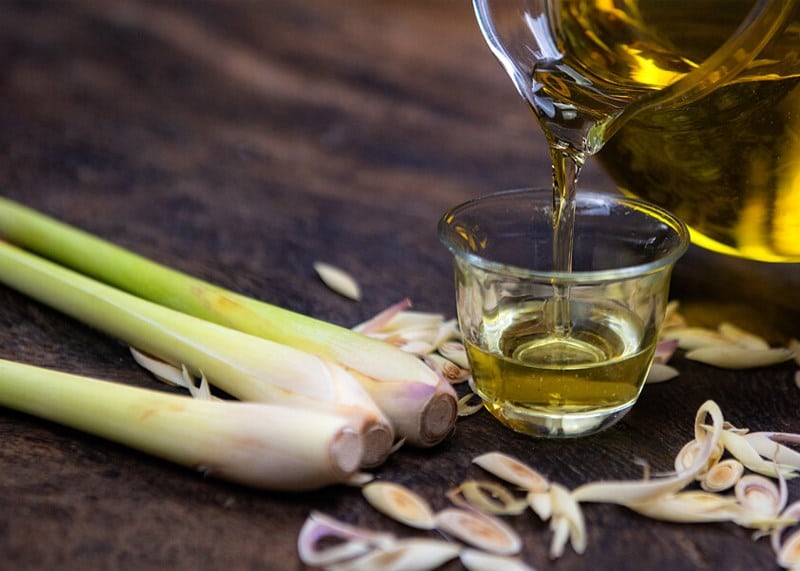
Litsea cubeba oil is one of Vietnam’s distinctive indigenous oils, known for its fresh, uplifting aroma and widely used in personal care, perfumery, food, and more. However, in 2025, the output of litsea cubeba oil fell sharply due to heavy storms and prolonged rainfall across the northern mountainous regions.
Let’s take a closer look at the litsea cubeba oil situation in Vietnam in 2025.
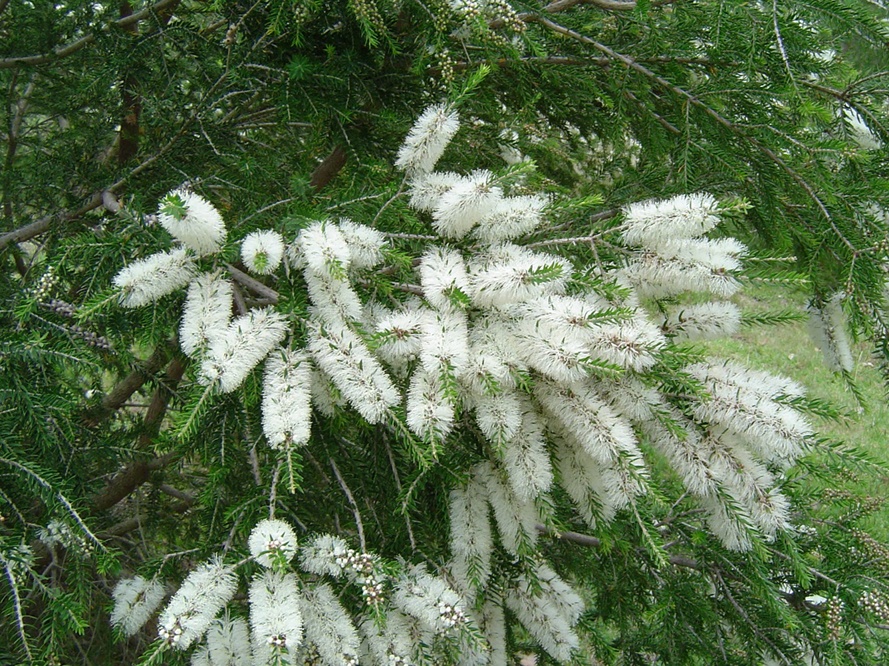
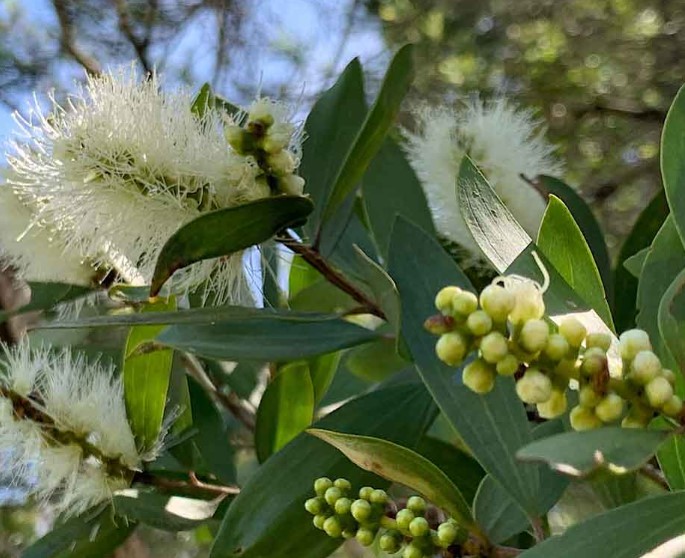
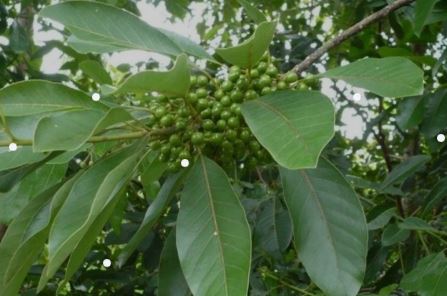
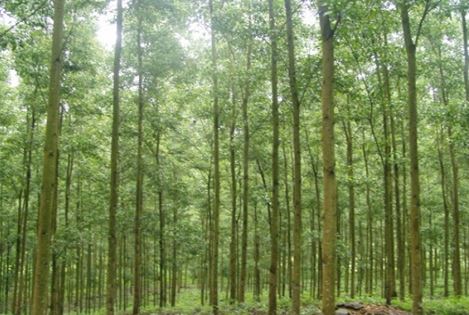
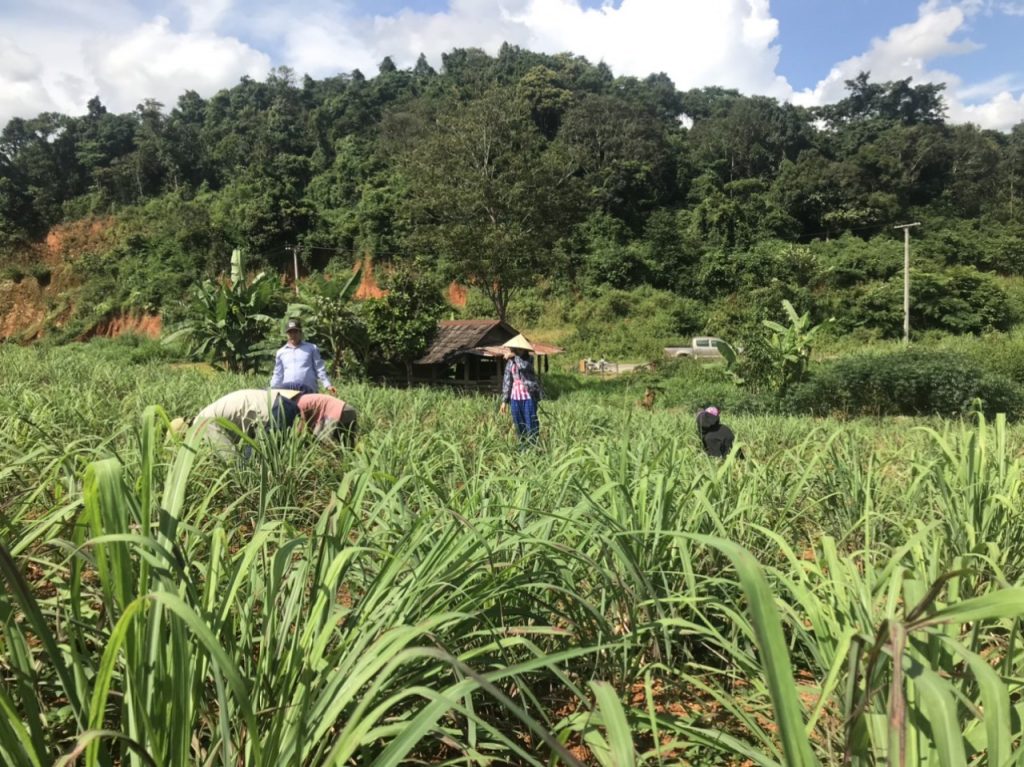
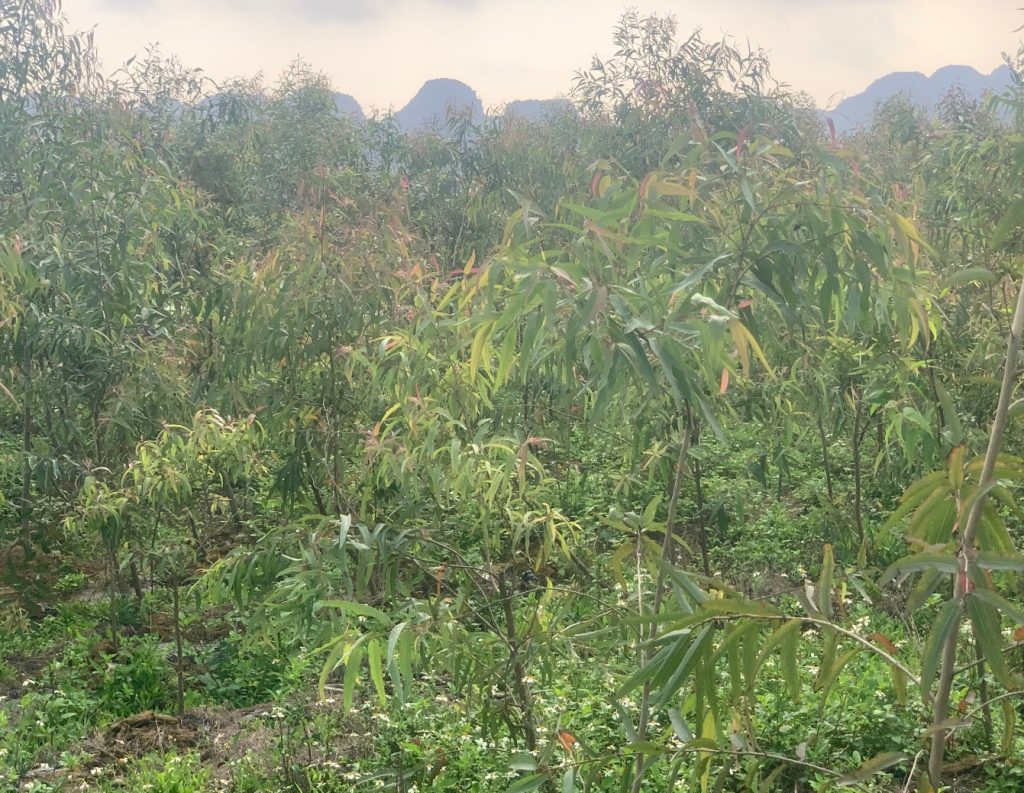
Litsea cubeba trees are commonly grown and found naturally in northern mountainous provinces such as Ha Giang, Cao Bang, and Lao Cai—areas with suitable elevations of 800–1,500 meters and cool weather year-round. At the end of spring, the trees begin to bloom, then form small green fruits that gradually develop throughout the summer. Around August–September each year, the fruits begin to ripen, marking the main harvest season for producing high-quality litsea cubeba oil. This is when the oil content reaches its peak, ensuring the bright, fresh scent characteristic of litsea cubeba oil.
However, 2025 has become a challenging year for litsea cubeba trees as several consecutive storms and periods of heavy rain have directly affected their growth and fruit development.
Impact of Storm No.10 and Storm No.11 on Litsea Cubeba Growing Areas in Vietnam
At the end of September 2025, just as litsea cubeba fruits were entering the ripening stage—a crucial time for harvesting and oil distillation—Storm No.10 (Typhoon Bualoi) made landfall in Vietnam.
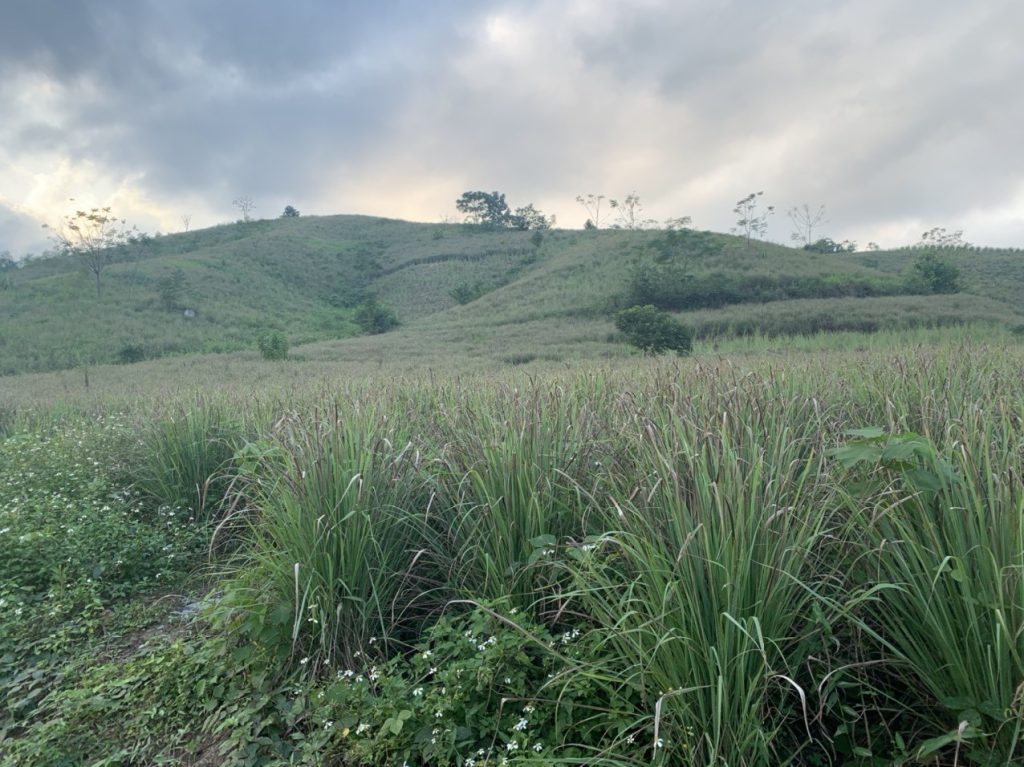
Although the storm’s center was in Nghe An and Ha Tinh, its circulation brought heavy rain to the northern mountainous provinces of Ha Giang, Yen Bai, Lao Cai, Cao Bang, and Bac Kan—key litsea cubeba–producing regions. With steep terrain and loose soil, rainfall of 200–400 mm—and in some locations exceeding 600 mm—caused erosion, soil washout around the roots, exposed root systems, and landslides that damaged large areas of trees.
Just one week later, the circulation of Storm No.11 brought another wave of heavy rain ranging from 70–150 mm, with some areas reaching 250 mm. As the soil was already saturated after Storm No.10, the risks of landslides, fallen trees, and broken branches increased sharply. At the same time, strong winds and high humidity caused premature fruit drop and fruit spoilage, significantly reducing both the quality and quantity of fruits used for oil production.
As a result, right at the time when litsea cubeba fruits normally reach peak oil accumulation and are ready for harvest, two consecutive storms caused severe damage to the northern growing areas, leading to a major decline in litsea cubeba oil output in 2025.

Impact on Litsea Cubeba Oil Supply in Vietnam
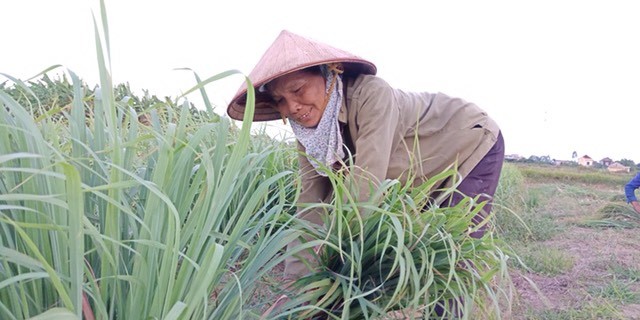
Despite local communities making efforts to collect and utilize as much of the remaining fruit as possible, the overall oil output has still decreased significantly, causing supply disruptions in the market. As a result, litsea cubeba oil prices in Vietnam have surged.
The drop in litsea cubeba oil output in 2025 is a clear reflection of the increasingly serious impacts of climate change on agriculture and the oil industry.
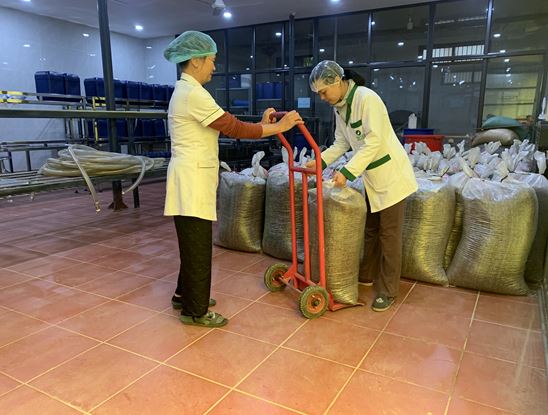
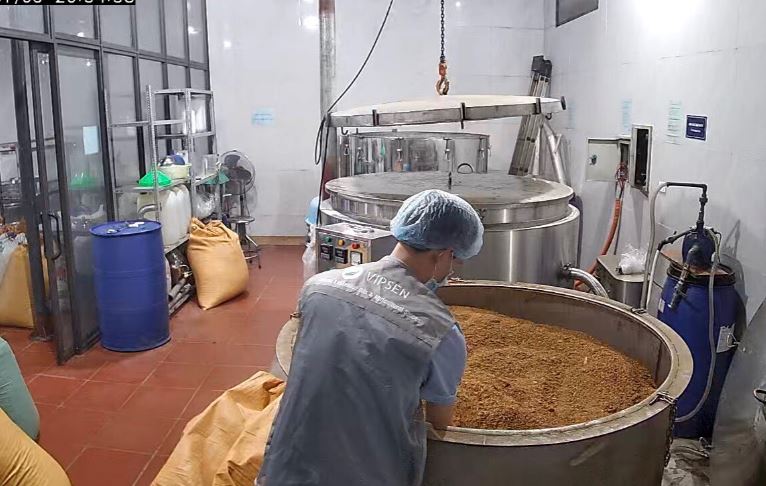
At VIPSEN, understanding this situation, we continue to purchase raw materials and litsea cubeba oil from farmers, combined with the stock prepared earlier in the season. This allows us to maintain a stable supply and ensure uninterrupted delivery to customers.
The rapid and frequent weather fluctuations highlight how harsh and unpredictable the climate has become. Heavy rains, landslides, and unusual flooding not only damage material-growing regions but also threaten the livelihoods of mountain communities. The decline in litsea cubeba oil output in 2025 is clear evidence of this growing challenge.
VIPSEN believes that despite the difficulties ahead, litsea cubeba oil will continue to be maintained and developed in a transparent, responsible, and long-term direction in the future.
Contact us for more details
Phone / WhatsApp / Zalo / WeChat / Kakao Talk / LINE / Skype / Viber: +84 868 855 086
Email: info@vipsen.vn
Office address: D7-TT9, Foresa Street, Xuan Phuong Urban Area, Xuan Phuong Ward, Nam Tu Liem District, Hanoi, Vietnam
Essential oil production facility: Bai Dai Area, Tien Xuan Commune, Thach That District, Hanoi, Vietnam
Agricultural processing facility: Thu Do Hamlet, An Tuong Commune, Vinh Tuong District, Vinh Phuc Province, Vietnam
Share this article with your friends
Help your friends absorb interesting knowledge from VIPSEN


Related articles