Morphological and growth characteristics of Vietnamese Litsea cubeba


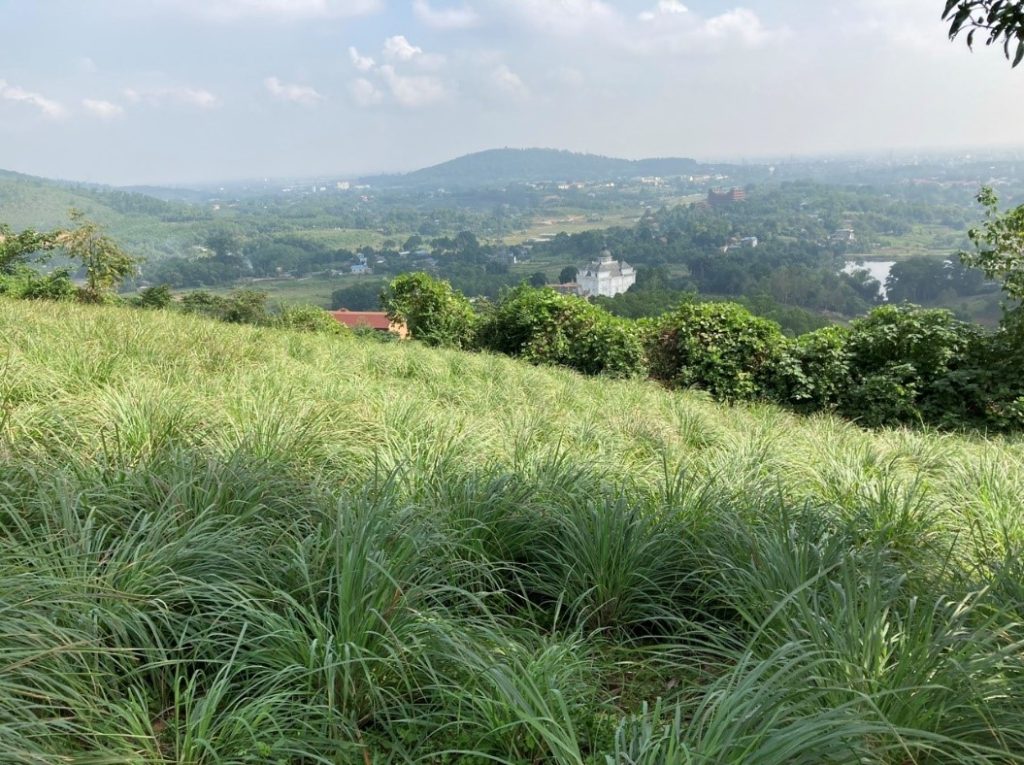
Litsea cubeba (Litsea mulberry) , also known as the “Son Tieu” or “Mang Tang”, is a small woody plant with essential oils widely used in the aromatherapy and medicinal industries. In Vietnam, Litsea cubeba is mainly grown in the northern mountainous provinces, where the climate and soil conditions are suitable. This is considered a crop that brings high economic value to people in the highlands. Let’s learn about Litsea cubeba with VIPSEN.
1. Characteristics of Vietnamese Litsea cubeba
Litsea Cubeba in Vietnam has the following outstanding characteristics in morphology and growth:
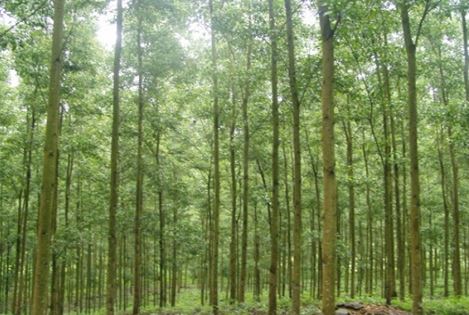
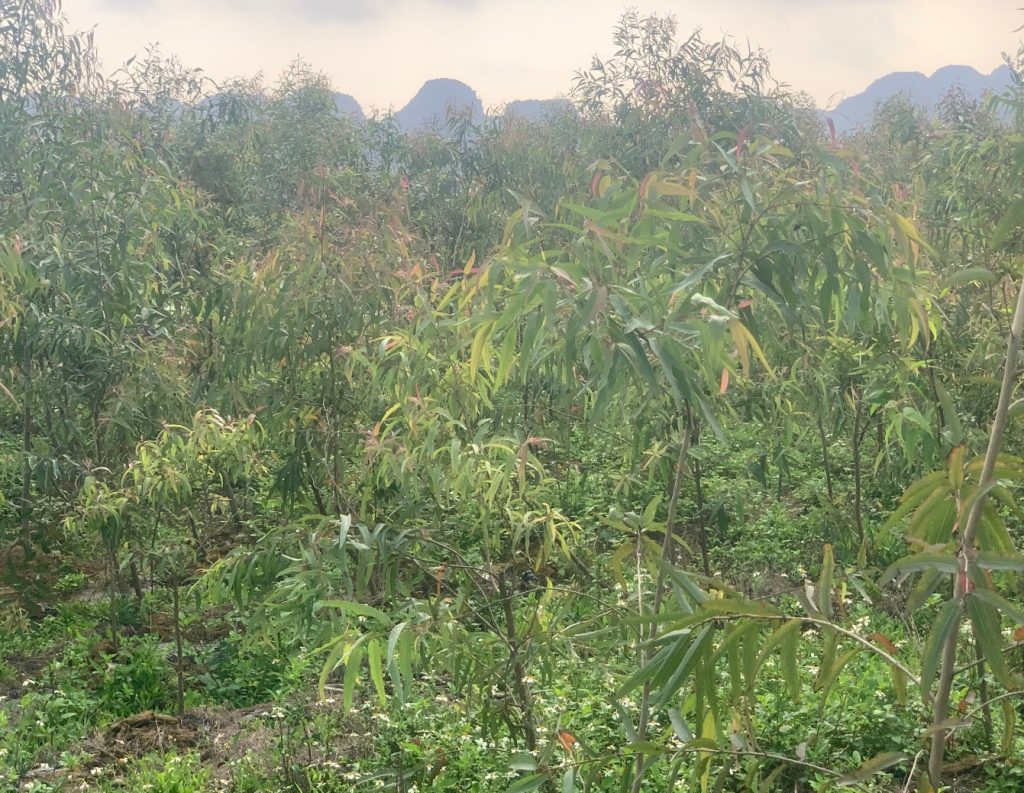
– Shape: Litsea mulberry is a small woody plant, can reach a height of 5-10 meters. The tree has many small branches, the bark is gray-brown and slightly rough.
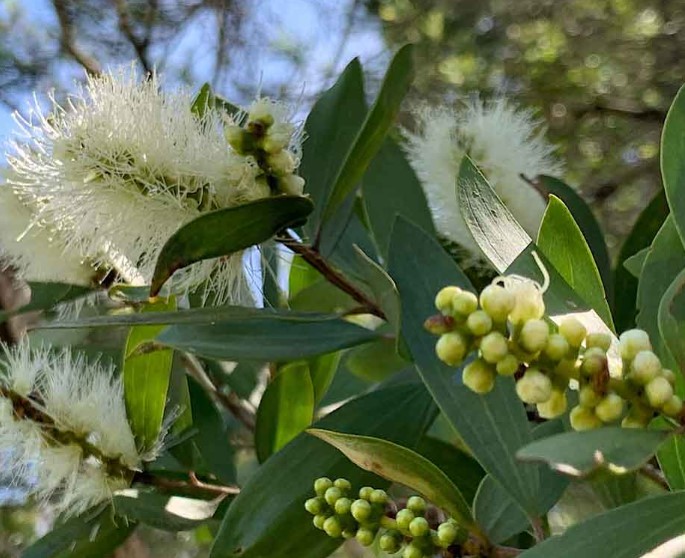
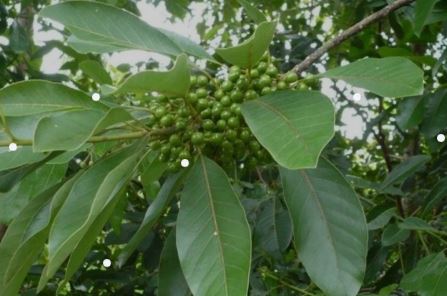
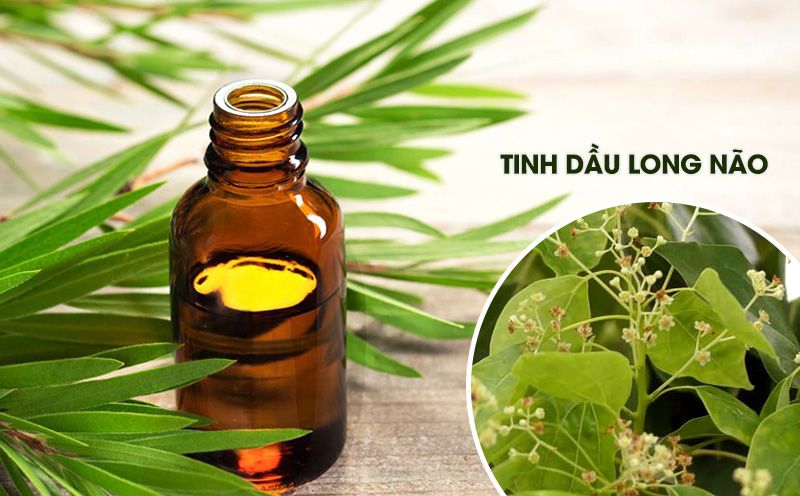
– Leaves: The leaves of the Litsea cubeba are oval or cylindrical. The leaves are dark green, slightly shiny, and grow alternately. They have a characteristic aroma, because the leaves also contain oil.
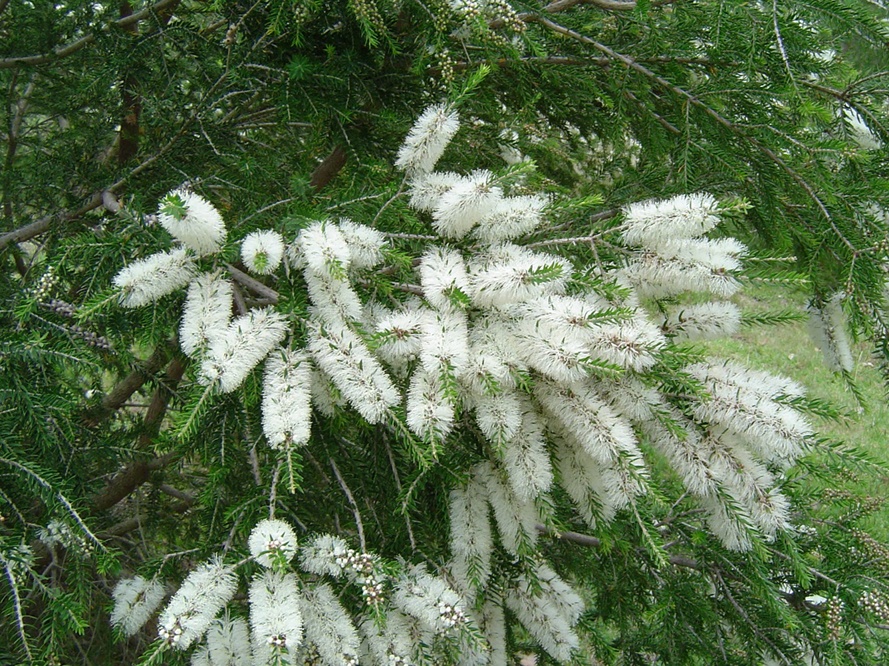
– Flowers: The flowers of the litsea cubeba tree are white or pale yellow, often growing in clusters at the ends of branches or leaf axils.
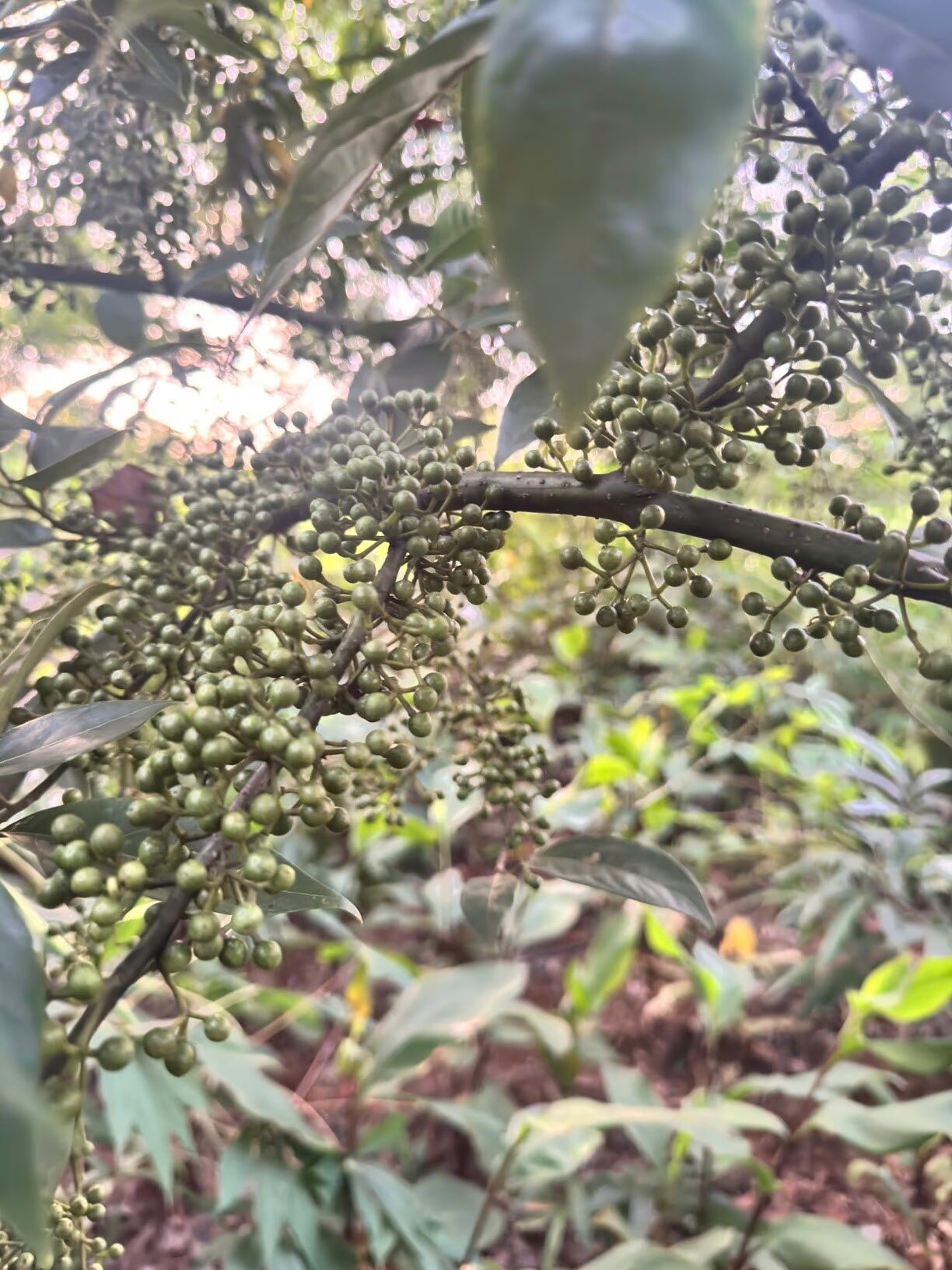
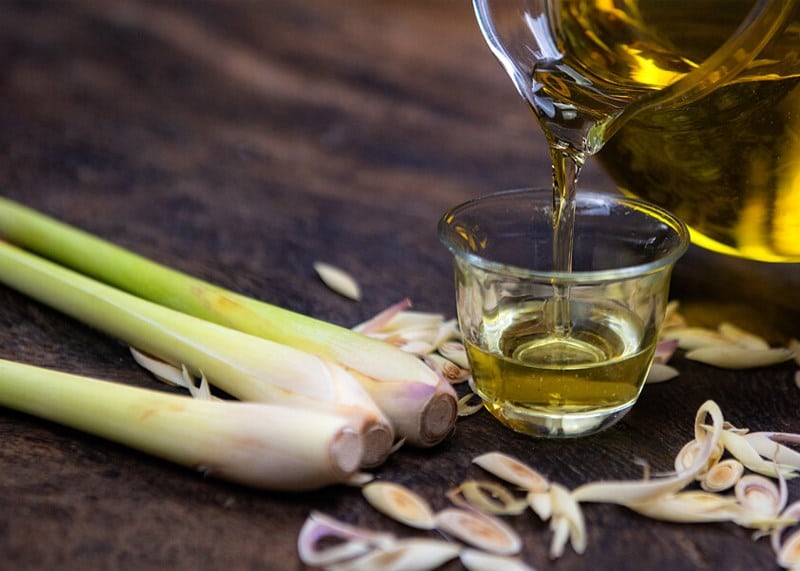
– Fruit: small, round, about 5-6 mm in diameter. When young, the fruit is green, when ripe it turns dark brown. The fruit contains a high amount of oil, so it is often the main material for distilling essential oils. The litsea cubeba oil is rich in citral.

2. Distribution
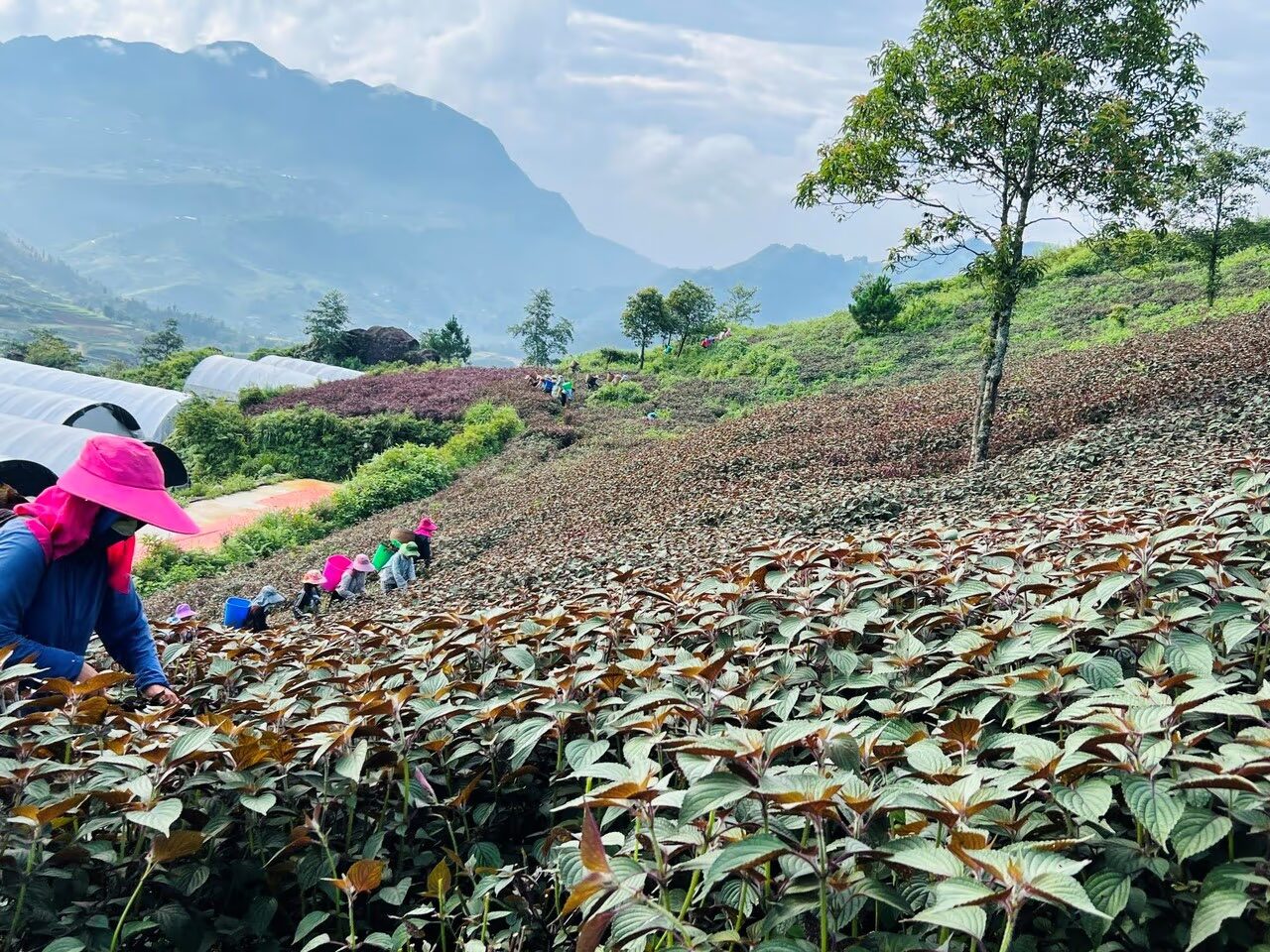
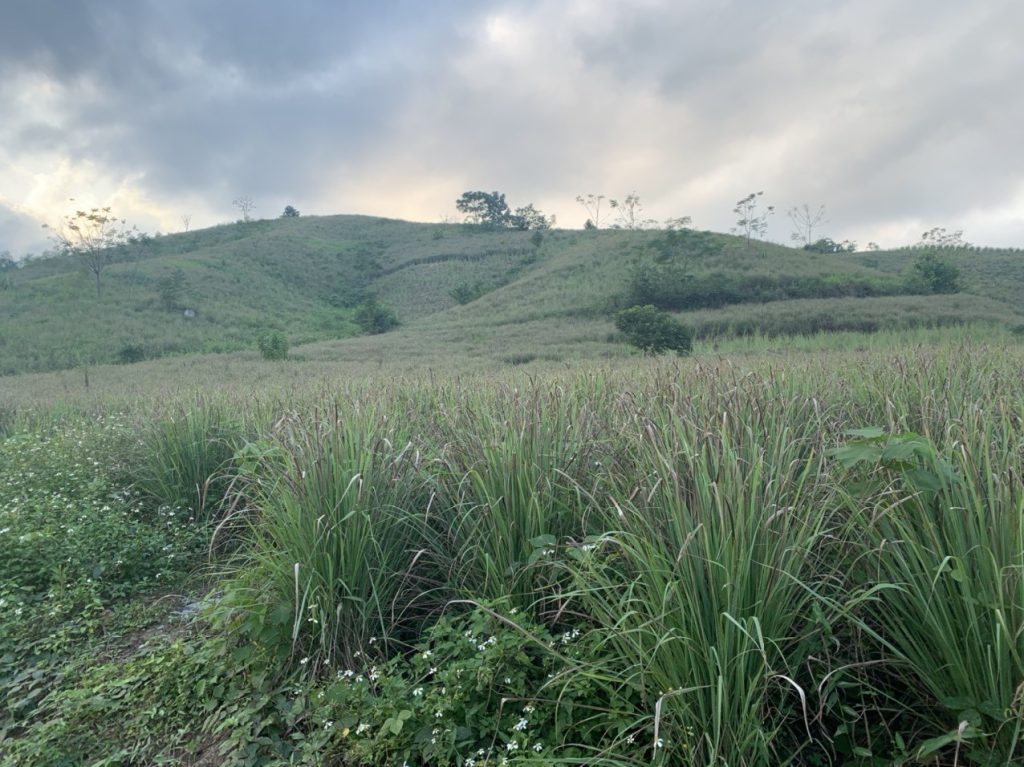
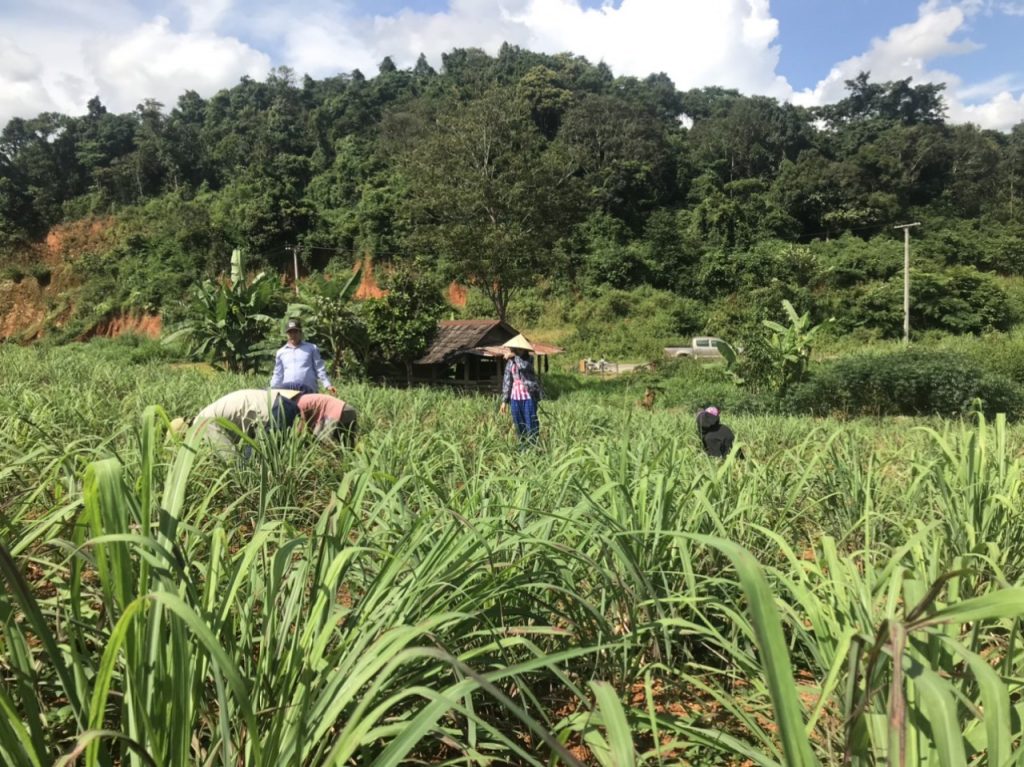
In Vietnam, the litsea cubeba is mainly grown in the northern mountainous provinces, where the climate and soil conditions are suitable. Districts with significant areas of mulberry cultivation include:
- Bac Ha District (Lao Cai)
- Sa Pa District (Lao Cai)
- Quan Ba District (Ha Giang)
- Hoang Su Phi District (Ha Giang)
- Moc Chau District (Son La)
- Thuan Chau District (Son La)
- Lac Thuy District (Hoa Binh)
- Quan Son District (Thanh Hoa)
These areas are usually 800 to 1,500 meters above sea level, with a cool climate, which is ideal for mulberry growth.
3. Growth characteristics
- Growth cycle
- Flowering time: The tree usually begins to flower around April – May every year. The flowers grow in small clusters, giving off a light fragrance.
- Fruiting time: After flowering, the fruit begins to form and develop from June to around August – October, when the fruit is ripe and can be harvested. When the fruit is ripe, the fruit peel becomes softer and the oil content reaches its maximum.
- Growth time
- The litsea cubeba tree has a fairly fast growth rate. From planting to when the tree is mature and can be harvested, it usually takes about 2-3 years.
- The tree can grow continuously and produce fruit for about 10-15 years depending on care and soil conditions.
- Lifespan of the tree.
- The life span of the litsea cubeba tree can last from 15-20 years, but the quality and yield of oil in the fruit will gradually decrease after about 10-12 years.
- After this time, the productivity of the tree will decrease, people will often replace old trees with young trees to maintain production.

4. Growing conditions
The litsea cubeba tree needs certain conditions to grow and develop well. Below are the main factors:
- Climate:
- The tree is suitable for temperate, cool climates, often appearing at altitudes of 800 – 1,500 meters above sea level.
- The ideal temperature for the tree to grow is from 15°C – 25°C. In areas with temperatures that are too high or too low, the tree will grow poorly.
- The tree is often grown in the mountainous regions of Northern Vietnam, where the climate is cool and fresh.
- Rainfall:
- The plant needs an annual rainfall of 1,500 – 2,500 mm, with a steady distribution of rain throughout the year.
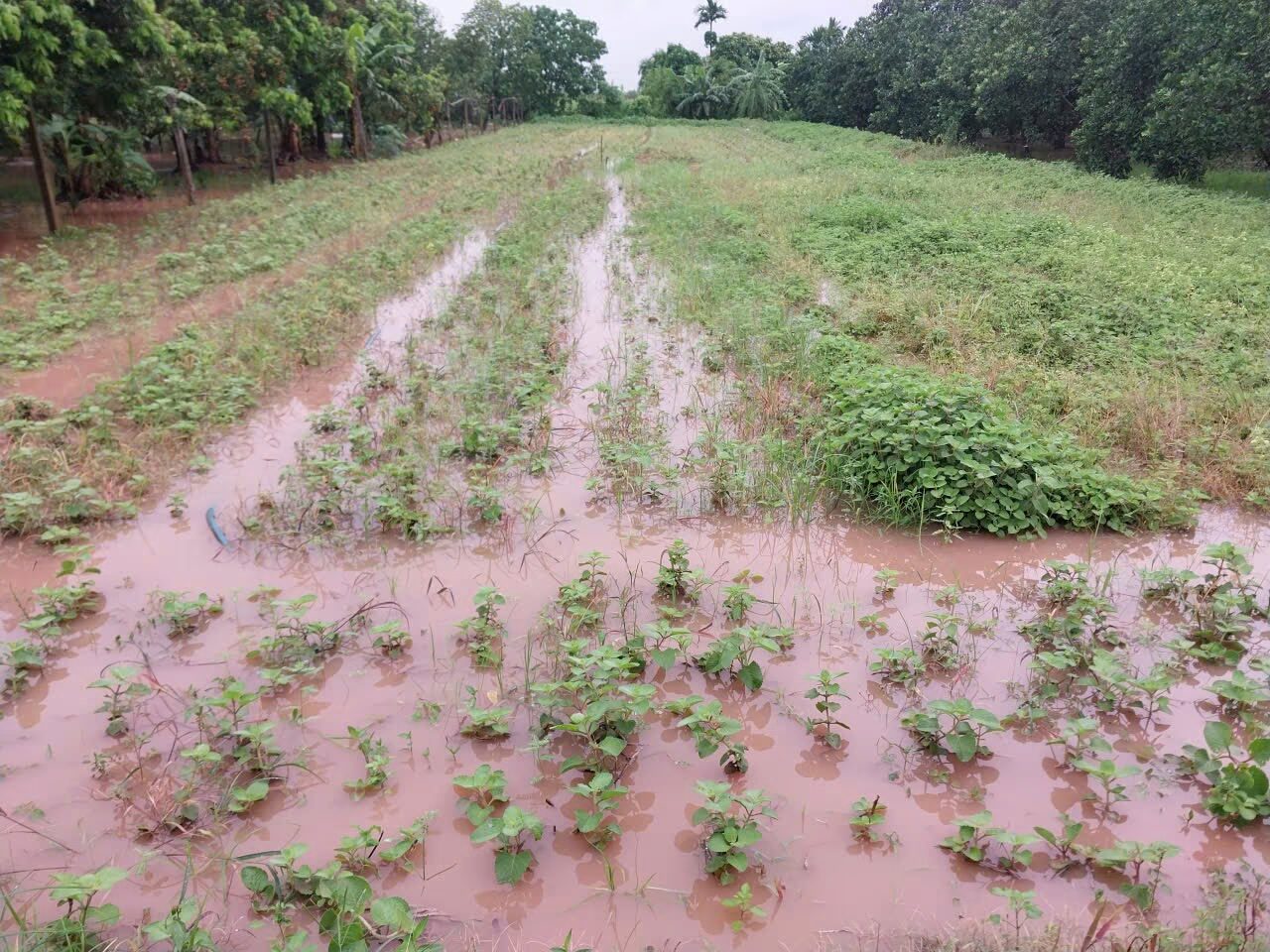
- The plant cannot tolerate prolonged flooding, so it is necessary to ensure a good drainage system to avoid waterlogging at the roots.
- Irrigation:
- The plant does not need too much water, but it is necessary to maintain moderate soil moisture, especially during the young growth stage or when the plant flowers and sets fruit.
- In areas with little rain, additional irrigation during the dry season is necessary.
- Soil:
- The plant grows best on moderately fertile soils, light loam or sandy soil, with good porosity and drainage.
- The suitable soil pH is between 5.0 and 6.5, which means the soil is slightly acidic to neutral.
- The soil needs a natural humus layer, rich in nutrients to help the plant grow sustainably.

5. Harvest time.
Litsea cubeba is usually harvested when the fruit is ripe, that is time the oil content in the fruit is at its highest. Here is information about the time and method of harvesting Litsea cubeba:
- Harvest time:
- The harvest season of Litsea cubeba usually takes place from August to October every year. This is the stage when the Litsea cubeba fruit begins to ripen, changing color from green to dark brown.
- The ideal harvest time is when the fruit is ripe, meaning that the fruit is not too ripe but not green. At this time, the oil content in the fruit is at its highest.
- Harvest method:
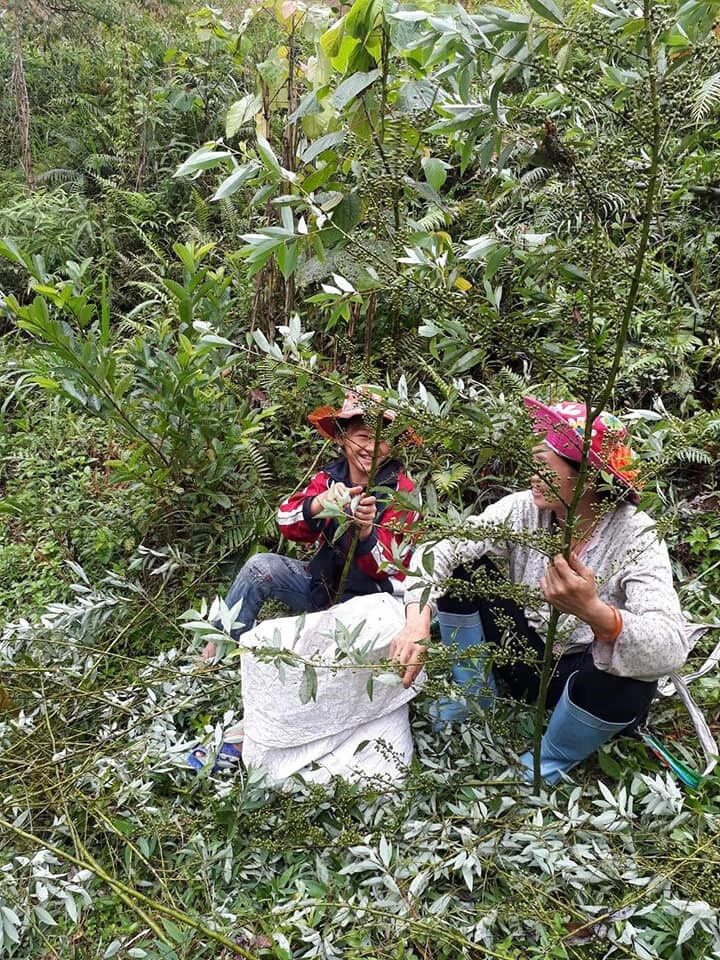
- People often harvest by hand, picking each bunch of fruit directly from the tree.
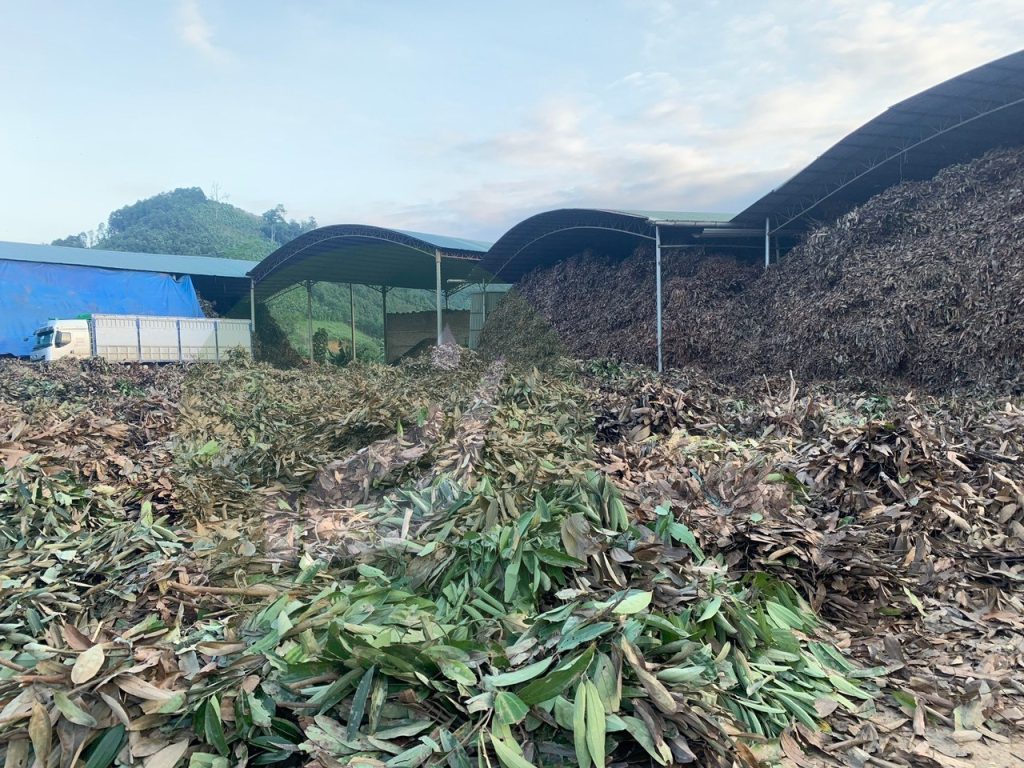
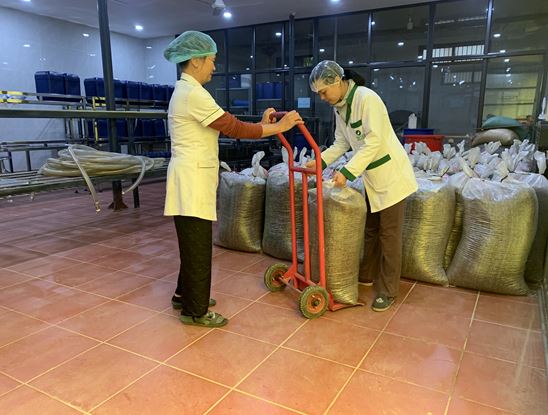
- After harvesting, Litsea cubeba fruit needs to be dried or processed quickly to avoid rotting or loss of essential oil.
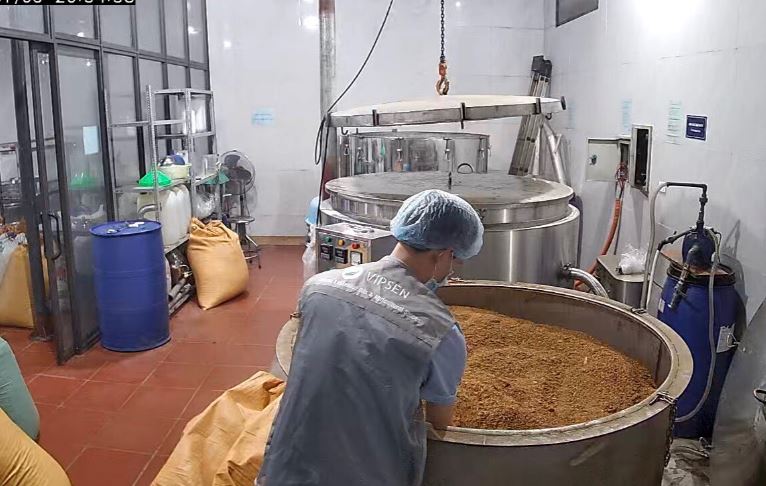
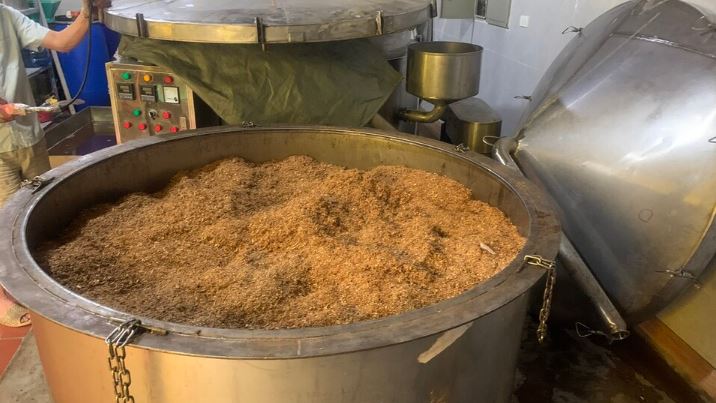
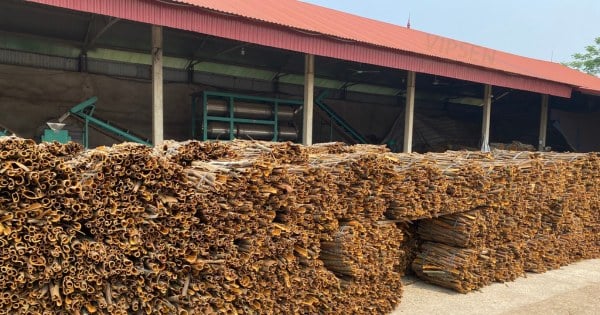
- Litsea cubeba oil will be produced from the fruit after it is dried through industrial oil extraction methods.
- Note when harvesting:
- Harvesting should be done when the weather is dry, avoid harvesting on rainy days to prevent the fruit from getting damp and reducing the quality of the essential oil.
- The fruit should be stored in a cool, dry place after harvesting to ensure the quality of the essential oil is maintained.

6. Litsea cubeba essential oil produced at VIPSEN
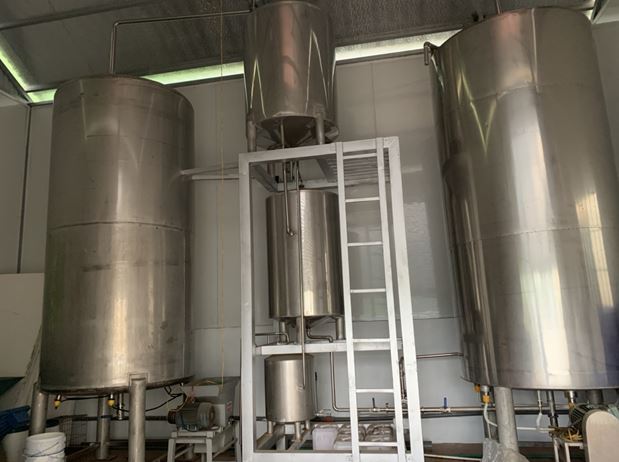
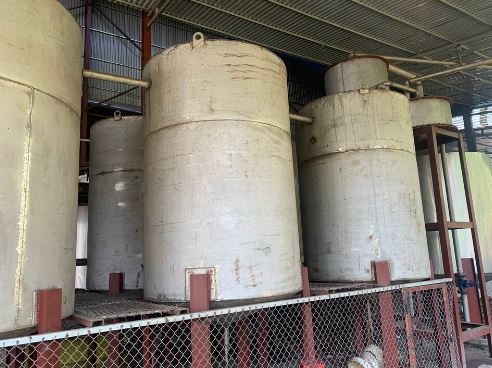
The quality of the litsea cubeba essential oil products produced at VIPSEN is guaranteed thanks to strict production processes and advanced technology. VIPSEN’s team of technicians strictly controls the raw material harvesting, preliminary processing, and processing stages to ensure the selection of the best raw materials from sustainable sources in provinces of Vietnam such as: Ha Giang, Lao Cai, Son La, Hoa Binh… The company applies steam distillation methods to effectively extract the essential oil, while ensuring the quality of the product.
In addition, VIPSEN uses GC-MS technology to control quality, help identify and remove unwanted impurities, and customize to ensure that the essential oil of the litsea cubeba tree meets the quality standards required by each customers in the food, cosmetic, and pharmaceutical industries.
Thanks to the strict quality control process, VIPSEN’s litsea cubeba essential oil are trusted by customers for their safety and effectiveness in application.
For more information, please contact:
Phone/Whatsapp/Zalo/Wechat/Kakao Talk/LINE/Skype/Viber: +84 868 855 086
Email: Info@Vipsen.vn
Address: D7-TT9, Forosa Street, Xuan Phuong New Urban Area, Xuan Phuong, Nam Tu Liem, Hanoi
Address of essential oil factory: Bai Dai, Tien Xuan, Thach That, Hanoi, Vietnam.
Address of agricultural production factory: Thu Do, An Tuong, Vinh Tuong, Vinh Phuc, Vietnam.
Share this article with your friends
Help your friends absorb interesting knowledge from VIPSEN


Related articles