Natural Essential Oils in Products Supporting Allergic Asthma Management: Effects and Mechanisms of Action


Allergic asthma is a chronic inflammatory disease of the respiratory tract in which an excessive immune response to allergens can lead to airway inflammation, mucus hypersecretion, bronchoconstriction, and airway hyperresponsiveness. Common symptoms include coughing, wheezing, shortness of breath, and chest tightness.
In recent years, alongside standard asthma treatments, increasing research attention has focused on natural essential oils and their bioactive compounds, including 1,8-cineole (eucalyptol), carvacrol, thymol, menthol, menthone, and cinnamaldehyde, to investigate their potential anti-inflammatory, immunomodulatory, antioxidant, and airway smooth muscle-modulating effects.
Notably, a systematic review published in Phytomedicine reported that essential oils and plant-derived bioactive compounds may modulate several cytokines involved in asthma, including IL-4, IL-5, IL-13, IL-17, TNF-α, IL-1β, IFN-γ, and IL-10, while also influencing the recruitment and accumulation of inflammatory cells in the airways. However, most of the available evidence remains preclinical, and only a limited number of compounds, particularly 1,8-cineole and carvacrol, have been directly investigated in clinical studies involving patients with asthma.
What Are Cytokines?
First, let’s take a general look at cytokines.
Cytokines are small signaling proteins secreted by cells, particularly immune cells, that allow them to communicate with one another. They help regulate inflammation, allergic responses, immune activation or suppression, and tissue repair.
In allergic asthma, cytokines play a particularly important role because they regulate the chain of responses from exposure to allergens → immune activation → IgE/eosinophil responses → airway inflammation → mucus hypersecretion and airway hyperresponsiveness.
The major cytokines involved can be summarized as follows:
| Cytokine | Full name | Main role | Relevance to allergic asthma |
| IL-4 | Interleukin-4 | A key cytokine in type 2 immune responses | Promotes IgE production by B cells and supports Th2 cell differentiation, making it highly relevant to allergic responses |
| IL-5 | Interleukin-5 | Regulates eosinophils | Promotes eosinophil development, survival, and activation, contributing to airway inflammation |
| IL-13 | Interleukin-13 | A type 2 cytokine with several functions overlapping with IL-4 | Associated with mucus hypersecretion, airway hyperresponsiveness, and changes in the airway epithelium |
| IL-17 | Interleukin-17 | A pro-inflammatory cytokine commonly associated with Th17 responses | Associated with neutrophil recruitment and certain severe or non-type 2 inflammatory asthma phenotypes |
| TNF-α | Tumor Necrosis Factor-alpha | A potent pro-inflammatory cytokine | Activates and amplifies inflammatory responses in the airways |
| IL-1β | Interleukin-1 beta | A pro-inflammatory cytokine | Promotes inflammation and activates various immune cells and inflammatory mediators |
| IFN-γ | Interferon-gamma | A characteristic cytokine of Th1 immune responses | Has complex immunoregulatory roles in asthma and cannot simply be classified as either beneficial or harmful |
| IL-10 | Interleukin-10 | An immunoregulatory and anti-inflammatory cytokine | Helps limit excessive inflammation and regulates the activity of multiple immune cell types |
Among these, three cytokines are particularly important in allergic asthma: IL-4, IL-5, and IL-13.
How Does Allergic Asthma Develop?
Allergic asthma is a form of asthma associated with an exaggerated immune response to environmental allergens. The resulting inflammation makes the airways more sensitive, increases mucus production, and makes them more prone to narrowing, leading to typical symptoms such as coughing, wheezing, chest tightness, and shortness of breath.
When a susceptible person is exposed to allergens — substances or environmental agents capable of triggering an allergic reaction — such as pollen, house dust mites, or certain environmental triggers, the immune system may activate a type 2 inflammatory response. This type of immune inflammation is driven by type 2 immune cells and cytokines such as IL-4, IL-5, and IL-13. Type 2 inflammation is an important mechanism in many cases of allergic asthma, allergic rhinitis, and atopic dermatitis.
IL-4 promotes allergic immune responses and IgE production. IL-5 is closely involved in the development, survival, and activation of eosinophils, while IL-13 contributes to mucus hypersecretion, airway hyperresponsiveness, and various changes in the bronchial epithelium.
The process can be summarized as follows:
Allergen → type 2 immune response → IL-4 / IL-5 / IL-13 → increased IgE and eosinophils → airway inflammation → mucus hypersecretion + airway hyperresponsiveness + bronchoconstriction → coughing, wheezing, and shortness of breath.
This is also one of the reasons why natural compounds capable of modulating cytokines, inflammatory cells, oxidative stress, and airway smooth muscle are being investigated for the development of products that may support respiratory health.
How Can Natural Essential Oils Affect Allergic Asthma?
There is no single mechanism of action that applies to all essential oils. Differences in chemical composition result in different biological activities.
Based on current research, the potential effects of essential oils and their related bioactive compounds can be broadly divided into five major mechanisms.
Modulation of Airway Inflammation
One of the most extensively studied mechanisms is their potential to modulate inflammatory mediators.
A systematic review by Gandhi et al. published in Phytomedicine screened 914 publications and selected 13 preclinical studies that met the inclusion criteria. The findings suggested that essential oils and their bioactive compounds may modulate pro-inflammatory and immune-related cytokines, including TNF-α, IL-1β, IL-8, IL-17, IL-4, IL-5, IL-13, IFN-γ, and IL-10. Notable compounds investigated include 1,8-cineole (eucalyptol), carvacrol, thymol, and menthol.
Among the compounds studied, 1,8-cineole is one of those with particularly notable evidence. In bronchial epithelial cell models and a house dust mite-induced allergic asthma mouse model, 1,8-cineole reduced the production of IL-6, IL-8, and GM-CSF while inhibiting the activation of p38 MAPK, Akt, and TLR4. In animal models, this compound also reduced IL-4, IL-13, and IL-17A levels, decreased eosinophil counts in bronchoalveolar lavage fluid, and reduced airway hyperresponsiveness (AHR).
Carvacrol is another compound of particular interest. In experimental asthma models, carvacrol reduced IL-4, IL-5, and IL-13 — three cytokines that play important roles in type 2 inflammation — as well as TNF-α, IgE, iNOS, and oxidative stress. These effects were accompanied by improvements in markers of lung tissue injury.
More importantly, carvacrol has also been investigated in humans. A randomized, double-blind, placebo-controlled clinical trial involving 33 patients with moderate asthma evaluated carvacrol for two months alongside conventional treatment. The study reported improvements in several respiratory symptoms, pulmonary function parameters, oxidative stress markers, and cytokine levels.
Other reported effects include reduced inflammatory cell accumulation, decreased eosinophil migration, attenuation of oxidative stress, and modulation of airway tissue remodeling. These findings provide a scientific basis for further investigation of natural essential oils as potential sources of bioactive compounds for products designed to support the management of airway inflammation.
Inhibition of Mast Cell Activation and Degranulation in IgE-Mediated Allergic Responses
In allergic asthma, immunoglobulin E (IgE) and mast cells play important roles in immediate hypersensitivity reactions.
When IgE binds to FcεRI receptors on the surface of mast cells and the cells are subsequently re-exposed to the allergen, mast cell activation and degranulation occur. This process releases histamine and various inflammatory mediators that contribute to the development and amplification of allergic and inflammatory responses.
A study published in Scientific Reports found that eucalyptus essential oil and its major component, 1,8-cineole (eucalyptol), were able to inhibit mast cell degranulation in experimental models of IgE-mediated allergic responses. The study also reported reductions in histamine, IL-4, and IL-13 production and suggested the involvement of the PLCγ and p38 signaling pathways.
It is important to note that this study focused on experimental models of IgE-mediated allergic reactions rather than a clinical trial of asthma treatment in humans. Therefore, its primary significance lies in providing insight into the potential anti-allergic mechanisms of eucalyptus oil and 1,8-cineole.
Effects on Airway Smooth Muscle Contraction
Airway smooth muscle contraction is one of the direct mechanisms responsible for narrowing the bronchial lumen, leading to shortness of breath, chest tightness, and wheezing in asthma. This process is strongly influenced by increased intracellular Ca²⁺ levels in airway smooth muscle cells.
When intracellular Ca²⁺ levels rise, Ca²⁺ binds to calmodulin, which subsequently activates myosin light-chain kinase (MLCK). MLCK phosphorylates the myosin light chain, promoting actin–myosin interactions and causing airway smooth muscle contraction. Therefore, compounds capable of limiting Ca²⁺ entry into cells or modulating signaling pathways involving Ca²⁺, phosphodiesterase (PDE), phospholipase C (PLC), and contractile regulatory proteins are being investigated for their potential to reduce airway smooth muscle contraction.
For example, studies using rat and guinea pig tracheal preparations have shown that 1,8-cineole can relax airway smooth muscle previously contracted by K⁺, carbachol, or allergic stimuli. Subsequent electrophysiological studies have suggested that an important mechanism of 1,8-cineole involves the inhibition of L-type voltage-gated Ca²⁺ channels in tracheal smooth muscle cells. By reducing Ca²⁺ influx into the cells, the intracellular Ca²⁺ available to activate the contractile machinery is also reduced, thereby contributing to smooth muscle relaxation.
In addition to 1,8-cineole, carvacrol and thymol are two other noteworthy phenolic monoterpenoids. Preclinical studies have reported antispasmodic or tracheal smooth muscle-relaxing activities for both carvacrol and thymol, with carvacrol having been directly investigated in guinea pig tracheal smooth muscle preparations.
Overall, certain volatile compounds found in natural essential oils may influence airway smooth muscle tone through several mechanisms, with modulation of Ca²⁺ influx across the cell membrane representing one of the mechanisms supported by notable experimental evidence.
Protection Against Oxidative Stress
Oxidative stress occurs when the body produces excessive amounts of reactive oxygen species (ROS) relative to the capacity of its natural antioxidant defense systems. When present in excess, ROS can damage lipids, proteins, and cells while also promoting inflammatory responses.
In asthma, oxidative stress is associated with airway inflammation, epithelial damage, airway hyperresponsiveness, and airway remodeling.
Several terpenes and phenylpropanoids found in natural essential oils, including carvacrol, thymol, 1,8-cineole, and cinnamaldehyde, are being investigated for their potential to reduce oxidative stress, limit the formation or effects of reactive oxygen species (ROS), and support endogenous antioxidant defense systems in experimental models of asthma.
Among these compounds, cinnamaldehyde, a characteristic compound often present at high levels in cassia essential oil, has also been investigated in experimental asthma models. The findings indicate that cinnamaldehyde may reduce oxidative stress markers such as malondialdehyde (MDA) and nitric oxide (NO), while increasing antioxidant defense factors such as glutathione (GSH) and catalase. These effects were accompanied by reductions in airway inflammation, suggesting that cinnamaldehyde is a noteworthy natural compound for investigating the relationship between essential oils, oxidative stress, and asthma.
Supporting Mucus Control and Respiratory Symptoms
Mucus is part of the respiratory tract’s natural protective barrier. It helps trap dust, microorganisms, and environmental particles so that they can be removed by the mucociliary clearance system. However, in asthma and other inflammatory airway diseases, inflammation can increase the number of goblet cells, stimulate mucin production, and alter the properties of airway mucus.
In patients with asthma or bronchitis, type 2 cytokines, particularly IL-13, can stimulate increased expression of MUC5AC, an important gel-forming mucin in the airways. When MUC5AC is excessively produced and mucociliary clearance is impaired, mucus becomes more difficult to remove and may form mucus plugs, contributing to increased airway obstruction.
1,8-Cineole, a monoterpene oxide commonly found in eucalyptus essential oil and cajeput essential oil, has long been investigated for its potential applications in respiratory diseases.
Notably, a double-blind, placebo-controlled clinical trial involving 32 patients with corticosteroid-dependent asthma administered purified 1,8-cineole at a dose of 200 mg three times daily for 12 weeks. Patients receiving cineole were able to achieve a greater reduction in their prednisolone dosage than those receiving placebo. The authors suggested that these findings support the anti-inflammatory activity of 1,8-cineole.
Importantly, this study used standardized 1,8-cineole administered orally, rather than direct inhalation of pure eucalyptus essential oil.
In addition to 1,8-cineole, compounds such as 6-gingerol and the combination of eucalyptol–limonene–α-pinene have also been investigated for their potential effects on MUC5AC regulation through signaling pathways involving ERK/p38 MAPK, IL-13, and EGFR.

Which Natural Essential Oils Are of Particular Interest in Allergic Asthma Research?
Eucalyptus Essential Oil – A Prominent Source of 1,8-Cineole
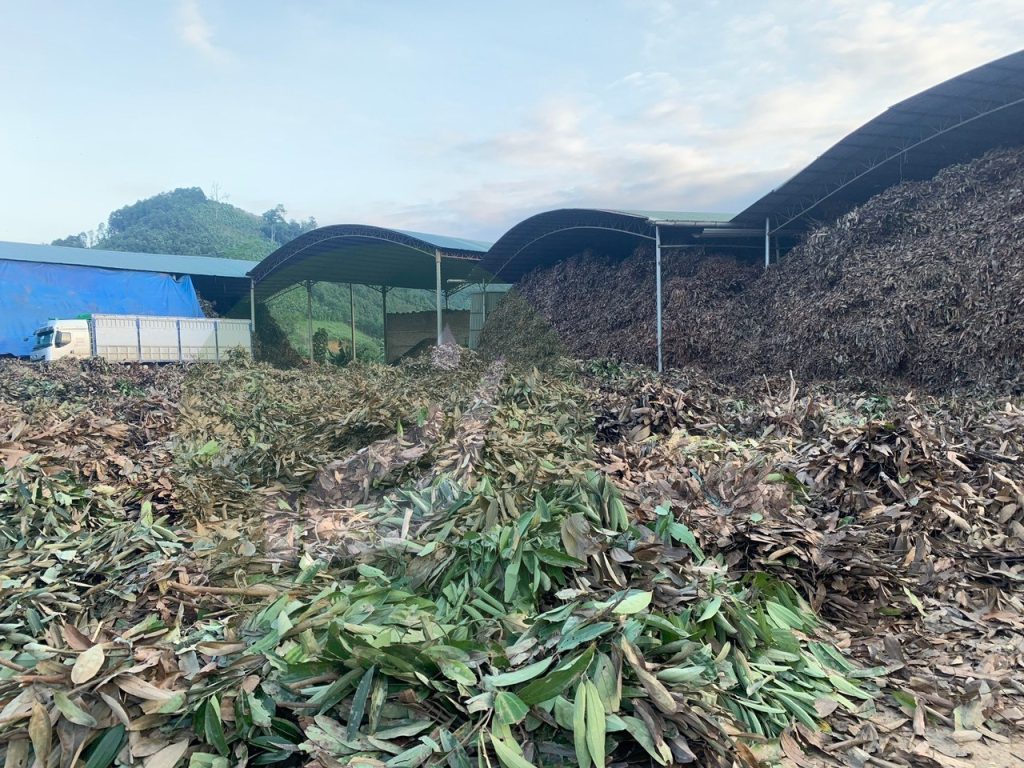
Eucalyptus essential oil is one of the most extensively studied essential oils for respiratory applications, particularly because some Eucalyptus species contain high levels of 1,8-cineole.
1,8-Cineole, also known as eucalyptol, has been investigated for several potential effects, including:
- anti-inflammatory activity;
- modulation of certain cytokines;
- effects on mast cell responses;
- support for the regulation of airway mucus.
Among bioactive compounds derived from essential oils, 1,8-cineole is particularly noteworthy because it has been directly investigated in clinical studies involving patients with asthma.
Cajeput Essential Oil – A Potential Cineole-Rich Natural Resource from Vietnam
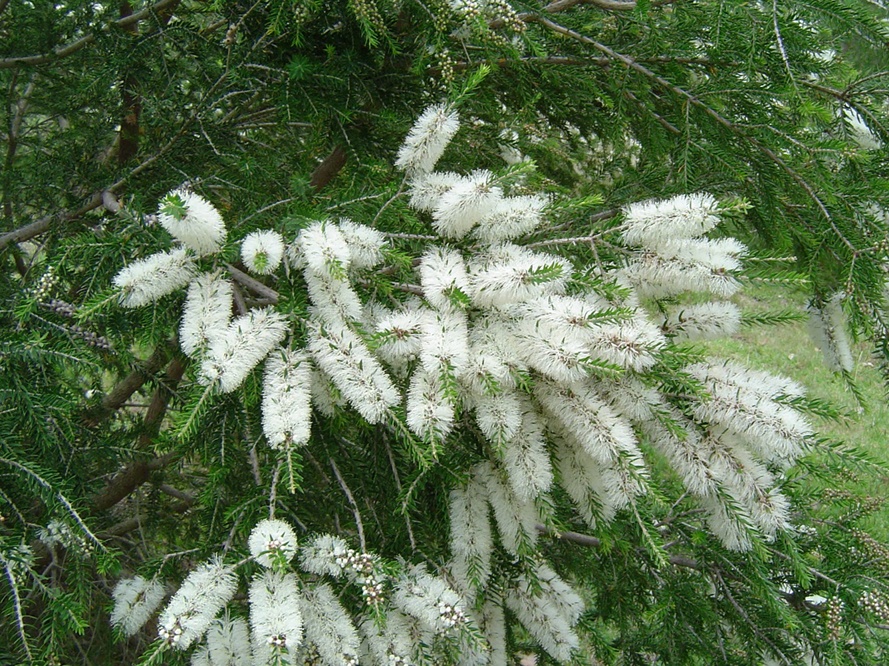
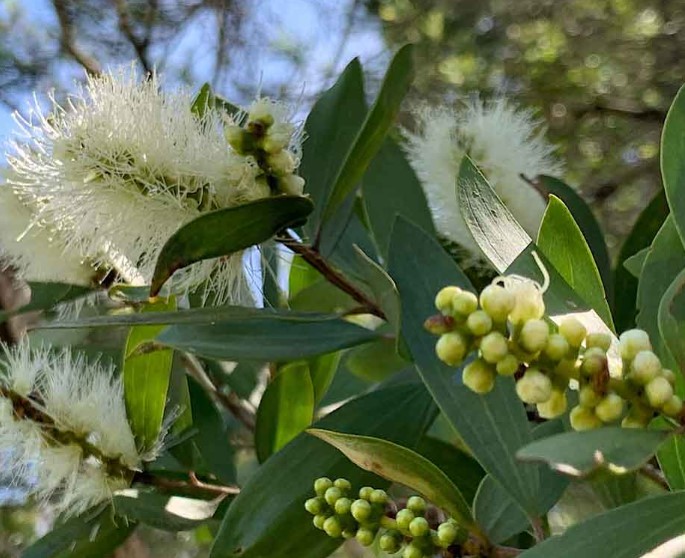
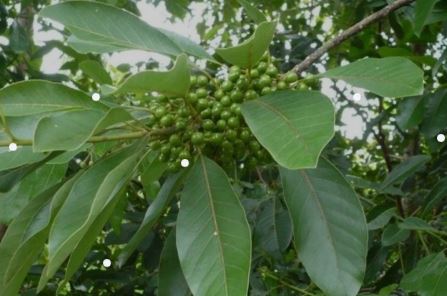
Cajeput essential oil is commonly produced from Melaleuca cajuputi, a plant with a long history of traditional use in Vietnam and Southeast Asia, particularly in products for respiratory care.
Cajeput oil may contain 1,8-cineole, α-terpineol, α-pinene, limonene, and various other monoterpenes. However, the proportions of these compounds can vary considerably depending on the plant source, growing region, chemotype, and distillation conditions.
Due to its 1,8-cineole content, together with other naturally occurring monoterpenes and the availability of extensive growing areas in Vietnam, cajeput essential oil represents a potentially valuable natural raw material for the development of respiratory care and respiratory support products.
Coleus amboinicus Essential Oil – A Promising Research Direction for Carvacrol
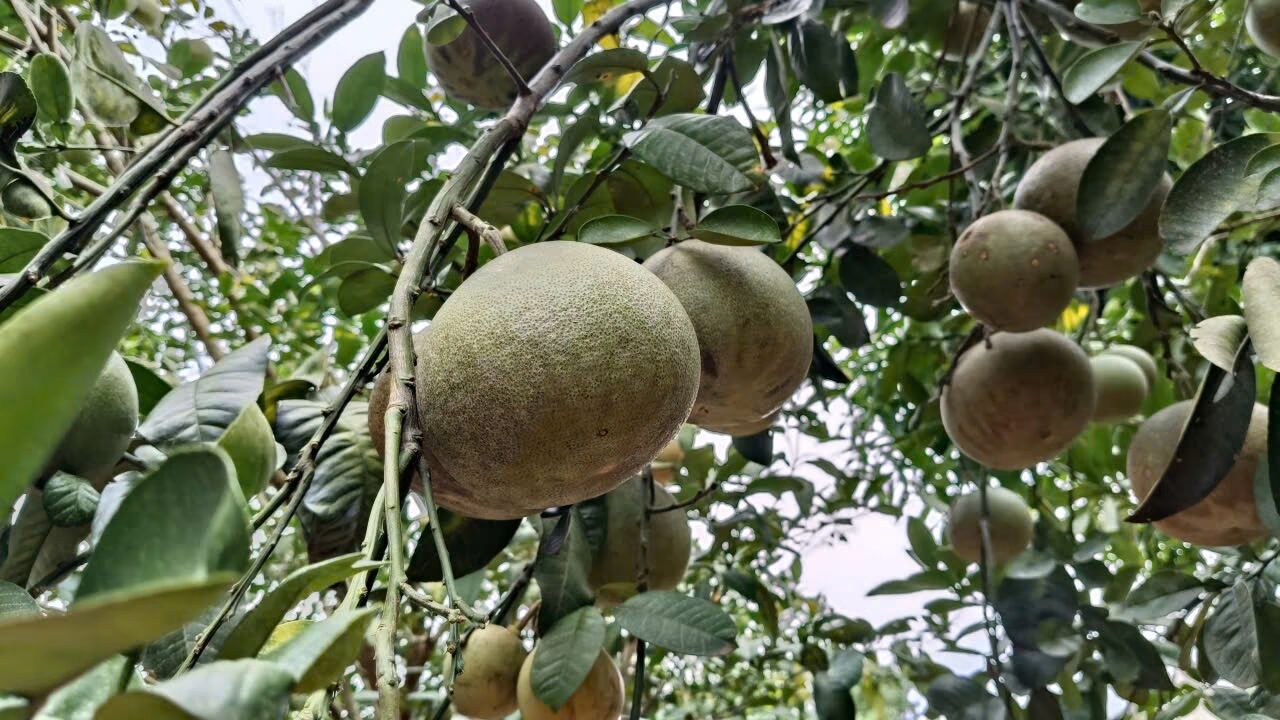
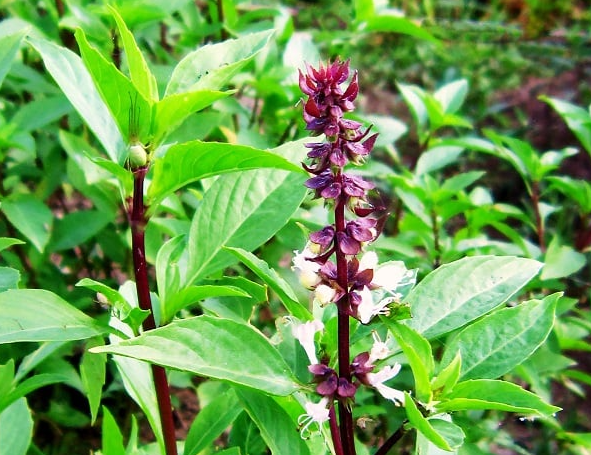
Coleus amboinicus (Plectranthus amboinicus) is a familiar medicinal plant in Vietnam and has traditionally been used in remedies associated with cough and respiratory health.
From a product development perspective, an important characteristic is that certain chemotypes of Coleus amboinicus may contain carvacrol, a phenolic monoterpene that has attracted considerable research interest in relation to asthma.
Carvacrol has more notable clinical evidence than many other essential oil-derived compounds.
A randomized, double-blind, placebo-controlled Phase II clinical trial in patients with asthma evaluated carvacrol at 1.2 mg/kg/day for two months and reported improvements in pulmonary function parameters, along with reductions in certain respiratory symptoms, inflammatory cells, and hs-CRP.
A subsequent clinical study also reported that carvacrol was associated with improvements in pulmonary function, oxidative stress markers, and cytokine levels in patients with asthma.
Coleus amboinicus essential oil typically has a strong herbal aroma with warm, mildly spicy, and slightly citrus-like notes. In Vietnam, owing to its distinctive sensory profile and naturally occurring bioactive compounds, Coleus amboinicus has long been used in respiratory care products such as herbal syrups, lozenges, cough drops, and throat care products.
Mint Essential Oil – A Rich Source of Menthol and Menthone
Mint essential oils contain monoterpenes such as menthol and menthone, although their concentrations vary depending on the species and chemotype. Among mint species, Mentha arvensis is particularly well known for its high menthol content, which can reach 70% or more in certain oils.
Menthol is widely recognized for its cooling sensation and is extensively used in respiratory care products. However, the sensation of easier or more open breathing produced by menthol should not be interpreted as an actual increase in bronchial diameter or as treatment of the underlying causes of asthma.
Regarding menthone, research into its immunological effects has shown that, in a mouse model of allergic asthma, menthone may reduce eosinophilia and mast cell degranulation while modulating the Th1/Th2 cytokine balance.
However, these findings are preclinical, and clinical studies in humans are required before conclusions can be drawn regarding its therapeutic effects in asthma.
Cassia Essential Oil – Rich in Cinnamaldehyde and Its Relationship with the NF-κB Pathway
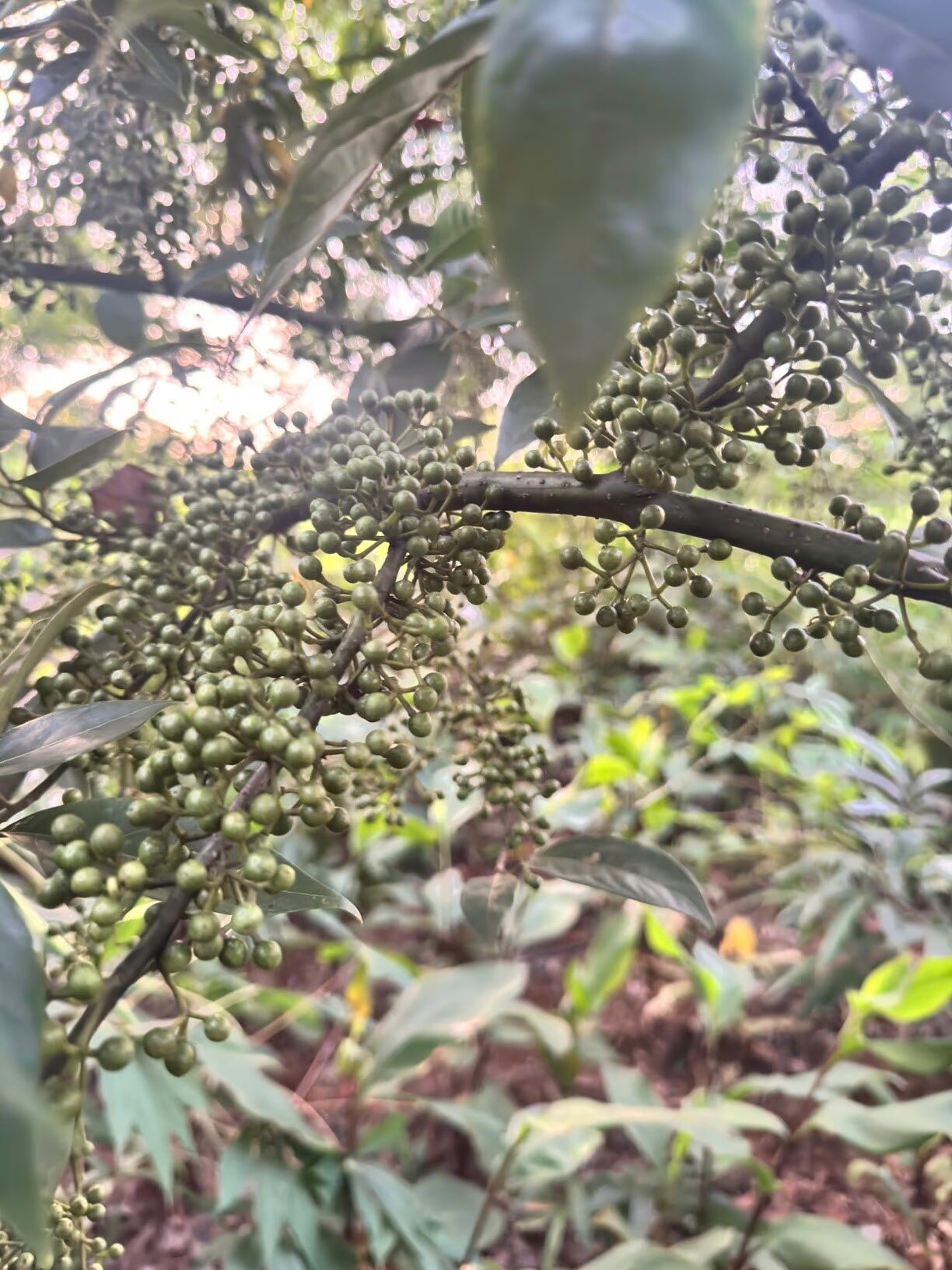
Cassia essential oil (Cinnamomum cassia essential oil), particularly oils rich in cinnamaldehyde, represents another interesting area of research.
A 2026 study using an ovalbumin (OVA)-induced asthma mouse model found that cinnamaldehyde reduced IgE and IL-13 levels, inflammatory cell infiltration, and oxidative stress, while also suppressing NF-κB p65 expression in lung tissue.
NF-κB is an important signaling system that regulates the expression of numerous genes involved in inflammatory responses.
However, these findings are still based on animal research. They should not be extrapolated to conclude that using or inhaling cassia essential oil can treat asthma in humans.
Comparison of the Potential of Selected Essential Oils and Related Compounds
| Natural essential oil | Key compounds | Mechanisms being investigated | Level of evidence related to asthma |
| Eucalyptus essential oil | 1,8-Cineole | Anti-inflammatory activity, cytokine modulation, mucus regulation | Clinical studies available for 1,8-cineole |
| Cajeput essential oil | 1,8-Cineole, α-terpineol | Anti-inflammatory activity and potential respiratory support | Mainly based on chemical composition and preclinical evidence |
| Coleus amboinicus essential oil | Carvacrol, thymol depending on chemotype | Cytokine modulation, oxidative stress, airway smooth muscle effects | Clinical studies available for carvacrol |
| Mint essential oil | Menthol, menthone | Sensation of improved airflow; modulation of allergic responses under investigation | Mainly preclinical evidence in relation to asthma |
| Cassia essential oil | Cinnamaldehyde | NF-κB, IgE, IL-13, oxidative stress | Preclinical evidence |

What Types of Products Can Natural Essential Oils Be Used In?
Natural essential oils and essential oil-derived compounds can be researched and developed for use in a wide range of product formats, including capsules, syrups, lozenges, cough drops, throat sprays, topical oils, inhalation products, and specialized drug delivery systems. However, the appropriate product format should be selected based on the active compounds, dosage, intended site of action, level of scientific evidence, and safety profile of each route of administration.
Particularly in asthma, it should not be assumed that an essential oil considered “beneficial for respiratory health” can be safely used through every route of administration.
Capsules and soft gelatin capsules Containing Standardized Active Compounds
Capsules and soft gelatin capsules (softgels) are among the potential options when the objective is to deliver an essential oil-derived active compound at a defined dose.
A more scientifically grounded product development pathway would therefore be:
Essential oil → identification of active compounds → purification/standardization → dose determination → capsule/softgel formulation → safety and efficacy evaluation.
Herbal Syrups and Oral Preparations
Syrups are particularly suitable for products designed to support the management of cough, phlegm, throat irritation, and upper respiratory tract health, especially when multiple botanical ingredients are combined.
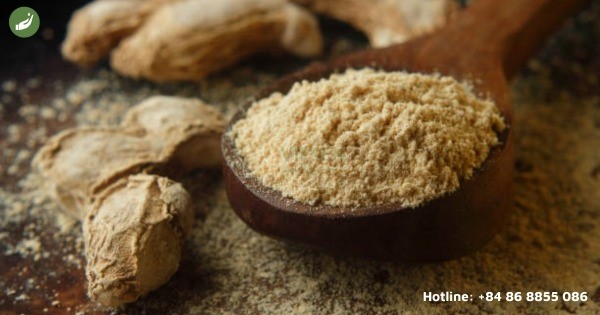
For example, a formulation could explore a combination of Coleus amboinicus, ginger, honey, and natural flavoring ingredients. If Coleus amboinicus essential oil is used, its concentration should be carefully controlled and the oil should be appropriately dispersed within the formulation.
However, a syrup intended to support cough relief or respiratory health should not be considered equivalent to an asthma medication. Any therapeutic indication for asthma would require appropriate clinical evidence and compliance with the relevant regulatory requirements.
Lozenges and Cough Drops
Lozenges and cough drops are well suited to certain natural essential oils because they can utilize their sensory properties while allowing volatile compounds to be gradually released in the oral cavity.
Potential combinations include:
Mint + eucalyptus → menthol + 1,8-cineole for a cooling sensation and a feeling of easier breathing.
Coleus amboinicus + ginger + honey → a warm, mildly spicy herbal flavor profile suitable for cough and throat care products.
Eucalyptus + mint + lemon → suitable for throat care products and formulations designed to provide a sensation of respiratory freshness and comfort.
In these product formats, essential oils are generally more appropriately positioned for throat care, sensory comfort, and respiratory symptom support rather than being regarded as a treatment for asthma.
Throat Sprays and Oral Sprays
Essential oils can also be investigated for use in throat sprays and oral sprays.
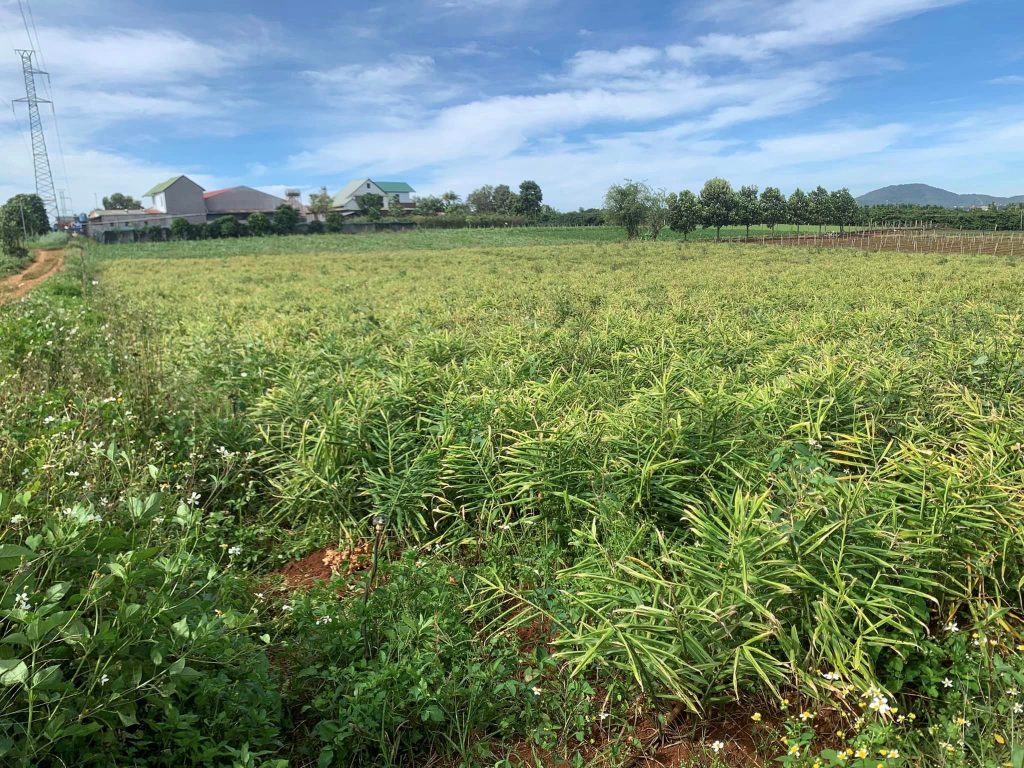
For example, formulations may explore Coleus amboinicus, mint, eucalyptus, or ginger essential oils in combination with other ingredients.
For these product formats, several factors require careful control:
essential oil concentration – solubility/dispersion – mucosal irritation – dose per spray – frequency of use – stability of active compounds.
A throat spray should not be confused with an inhaled medication for asthma. Throat sprays primarily act in the oral and pharyngeal areas, whereas inhaled asthma medications are specifically designed to deliver a precise dose of medication into the lower respiratory tract.
Topical Oils, Balms, and External-Use Products
Essential oils such as cajeput, eucalyptus, mint, and ginger have long been used in topical oils and balms.
In these products, essential oils primarily provide aroma, cooling or warming sensations, and a subjective feeling of easier breathing. Compounds such as menthol and eucalyptol may create a sensation of improved nasal airflow through their effects on sensory receptors.
However, an important distinction should be made:
“Feeling that the airways are more open” ≠ “actual bronchodilation.”
Therefore, the sensory effects of topical products containing compounds such as menthol should not be considered evidence that these products produce bronchodilation or treat asthma.
Inhalation Products and Aromatherapy
Due to their volatile nature, essential oils are commonly used in nasal inhalers, vapor rubs, steam inhalation, and diffusers.
However, particular caution is required when these products are used by people with asthma. Asthmatic airways are characterized by airway hyperresponsiveness, and strong odors, aerosolized particles, or certain volatile compounds may cause irritation in susceptible individuals.
Therefore, evidence that an essential oil demonstrates anti-inflammatory activity under laboratory conditions does not mean that inhaling larger amounts of that essential oil will provide greater benefits.
Nebulizers: They Should Not Be Used Like Essential Oil Diffusers
This is a particularly important distinction.
An essential oil diffuser disperses volatile compounds into the surrounding air.
In contrast, a nebulizer converts a suitable pharmaceutical formulation into an aerosol with a controlled particle size designed to deliver the medication into the respiratory tract.
Therefore, pure eucalyptus, cajeput, mint, Coleus amboinicus, or other essential oils should not be added directly to a nebulizer for the treatment of asthma.
A formulation intended for nebulization must be specifically developed with careful consideration of factors such as concentration, aerosol particle size, solvents and excipients, pH, osmolality, sterility, stability, inhalation toxicity, and the actual dose delivered to the lungs.
Pure essential oils developed for other purposes do not automatically meet these requirements.
Metered-Dose Inhalers and Pulmonary Drug Delivery Systems
A more advanced research direction involves the development of pulmonary drug delivery systems.
In principle, if a terpene or other natural compound demonstrates suitable biological activity, it may be investigated using delivery systems such as aerosols, nanoemulsions, liposomes, or other drug carriers designed to control the amount of active compound delivered to the respiratory tract.
At this stage, however, the product is no longer simply an “essential oil for inhalation.”
The development process must address key questions such as:
Which active compound? → What dose? → What particle size? → Where does it deposit in the lungs? → How is it absorbed? → Could it cause bronchospasm or airway irritation? → What are its efficacy and toxicity profiles after repeated administration?
This represents a specialized area of pharmaceutical research and requires appropriate preclinical data followed by well-designed clinical studies.
Conclusion
Current scientific research suggests that natural essential oils and plant-derived bioactive compounds represent a promising area of investigation for the development of supportive approaches to allergic asthma management.
Key mechanisms under investigation include the modulation of cytokines such as IL-4, IL-5, and IL-13 and other inflammatory mediators; effects on IgE and mast cells; reduction of oxidative stress; modulation of NF-κB signaling; and regulation of airway smooth muscle contraction and relaxation.
Among these compounds, 1,8-cineole and carvacrol are particularly noteworthy because they have been directly investigated in clinical studies involving patients with asthma. Other compounds, such as limonene, menthone, and cinnamaldehyde, also have interesting mechanistic evidence, although much of the available evidence remains preclinical.
For Vietnam, natural resources such as eucalyptus essential oil, Coleus amboinicus essential oil, cajeput essential oil, mint essential oil, and cassia essential oil represent valuable candidates for further research and product development. More importantly, natural essential oils and their bioactive compounds should currently be regarded as potential sources of ingredients for the research and development of respiratory-support products, rather than as substitutes for standard asthma medications.
Scientific References
- Gandhi GR et al. Essential oils and its bioactive compounds modulating cytokines: A systematic review on anti-asthmatic and immunomodulatory properties. Phytomedicine. 2020;73:152854. DOI: 10.1016/j.phymed.2019.152854.
- Juergens UR et al. Anti-inflammatory activity of 1.8-cineol (eucalyptol) in bronchial asthma: a double-blind placebo-controlled trial. Respiratory Medicine. 2003;97(3):250–256. DOI: 10.1053/rmed.2003.1432.
- Alavinezhad A, Khazdair MR, Boskabady MH. Possible therapeutic effect of carvacrol on asthmatic patients: A randomized, double blind, placebo-controlled, Phase II clinical trial. Phytotherapy Research. 2018;32(1):151–159. DOI: 10.1002/ptr.5967.
- Ghorani V et al. Carvacrol improves pulmonary function tests, oxidant/antioxidant parameters and cytokine levels in asthmatic patients: A randomized, double-blind, clinical trial. Phytomedicine. 2021;85:153539. DOI: 10.1016/j.phymed.2021.153539.
- Nakamura T et al. Eucalyptus oil reduces allergic reactions and suppresses mast cell degranulation by downregulating IgE-FcεRI signalling. Scientific Reports. 2020;10:20940.
- Townsend EA et al. Effects of ginger and its constituents on airway smooth muscle relaxation and calcium regulation. American Journal of Respiratory Cell and Molecular Biology. 2013;48(2):157–163. DOI: 10.1165/rcmb.2012-0231OC.
- Townsend EA et al. Active components of ginger potentiate β-agonist-induced relaxation of airway smooth muscle by modulating cytoskeletal regulatory proteins. American Journal of Respiratory Cell and Molecular Biology. 2014;50(1):115–124. DOI: 10.1165/rcmb.2013-0133OC.
- Nour BH et al. Cinnamaldehyde modulates oxidative stress and NF-κB signaling in OVA-induced asthmatic BALB/c mice. Respiratory Physiology & Neurobiology. 2026;339:104497. DOI: 10.1016/j.resp.2025.104497.
FAQ – Frequently Asked Questions
1. Are the Treatment of Bronchitis and the Treatment of Allergic Asthma the Same?
Bronchitis and asthma both affect the respiratory tract, but they involve different disease mechanisms.
Acute bronchitis is commonly associated with viral infections and airway inflammation, whereas asthma is a chronic inflammatory airway disease characterized by airway hyperresponsiveness and variable bronchoconstriction. Allergic asthma is also closely associated with immune responses to allergens.
Therefore, when investigating natural ingredients for bronchitis treatment and allergic asthma treatment, the same mechanisms of action or scientific evidence should not automatically be applied to both conditions.
For example, a compound with potential mucolytic or antimicrobial effects in bronchitis may not necessarily be capable of modulating the Th2/IgE-mediated immune response involved in allergic asthma.
2. Can Natural Essential Oils Support the Treatment of Allergic Asthma?
Certain natural essential oils and essential oil-derived compounds are being investigated for their potential anti-inflammatory effects, cytokine modulation, reduction of oxidative stress, effects on airway smooth muscle, and regulation of mucus hypersecretion.
Among these compounds, 1,8-cineole (eucalyptol) and carvacrol have been investigated in clinical studies involving patients with asthma. However, evidence for an individual active compound does not mean that the entire essential oil containing that compound has been clinically proven to treat asthma.
Essential oils should not be used as substitutes for prescribed asthma controller or reliever medications.
3. Which Natural Essential Oils Have Potential Applications in Respiratory Support Products?
Notable examples include eucalyptus essential oil, cajeput essential oil, Coleus amboinicus essential oil, mint essential oil, ginger essential oil, and cassia essential oil.
These essential oils contain or are associated with compounds of scientific interest, including 1,8-cineole, carvacrol, thymol, menthol, menthone, and cinnamaldehyde.
However, the level of scientific evidence varies considerably among individual essential oils and active compounds, ranging from cell-based and animal studies to clinical trials in humans.
4. What Are the Potential Effects of 1,8-Cineole (Eucalyptol) Found in Eucalyptus and Cajeput Essential Oils?
1,8-Cineole (eucalyptol) is a monoterpene oxide found at high levels in certain eucalyptus essential oils and may also be present at significant levels in some sources of cajeput essential oil.
This compound has been investigated for its potential anti-inflammatory effects in the airways, regulation of mucus production, and support of respiratory function. Notably, standardized 1,8-cineole has been clinically investigated as an adjunctive therapy in patients with asthma.
Because cineole concentrations in natural essential oils can vary considerably, analytical methods such as GC-MS are important for composition analysis and quality control.
5. What Is the Potential of Carvacrol in Coleus amboinicus Essential Oil for Allergic Asthma?
Carvacrol is a naturally occurring phenolic compound that can be present at high levels in certain chemotypes of Coleus amboinicus.
Studies on carvacrol have demonstrated potential effects related to the modulation of inflammatory responses, cytokines, oxidative stress, and airway function. Orally administered carvacrol has also been investigated in clinical studies involving patients with asthma.
These findings provide an important scientific basis for further research into carvacrol-rich Coleus amboinicus essential oil. However, the available evidence is not sufficient to conclude that Coleus amboinicus essential oil itself can directly treat asthma.
6. What Types of Respiratory Support Products Can Natural Essential Oils Be Used In?
Depending on their composition, dosage, and the regulatory requirements of each market, essential oils or essential oil-derived active compounds may be investigated for use in herbal syrups, lozenges, cough drops, throat sprays, capsules, softgels, topical oils, balms, and other respiratory support products.
For pharmaceutical applications, the raw materials generally need to be chemically characterized, standardized for relevant active compounds, controlled for dosage, evaluated for stability, and demonstrated to be safe for the intended route of administration.
Contact VIPSEN today for consultation and product samples!
Phone / WhatsApp / Zalo / WeChat / Kakao Talk / LINE / Skype / Viber: +84 868 855 086
Email: info@vipsen.vn
Office address: D7-TT9, Foresa Street, Xuan Phuong Urban Area, Xuan Phuong Ward, Nam Tu Liem District, Hanoi, Vietnam
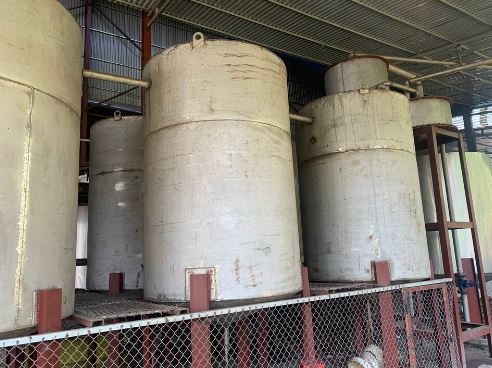
Essential oil production facility: Bai Dai Area, Tien Xuan Commune, Thach That District, Hanoi, Vietnam
Share this article with your friends
Help your friends absorb interesting knowledge from VIPSEN


Related articles