Nutrient-Enriched Foods: Flavor Challenges and Solutions Using Natural Essential Oils


The growing demand for healthier, nutrient-enriched foods products is encouraging manufacturers to develop products enriched with protein, fiber, and functional nutritional ingredients. From baked goods, cereals, snack bars and nutrition bars to protein-enriched beverages, these products are gaining popularity for their nutritional benefits, potential to support satiety, and alignment with healthier lifestyles.
However, increasing protein and fiber content involves much more than simply adding nutritional ingredients to a formulation. These ingredients can significantly affect flavor, texture, stability, and the overall sensory experience. Bitterness, astringency, beany or cereal-like notes, chalkiness, and dry mouthfeel are common challenges in product development.
At the same time, the growing clean-label trend is encouraging manufacturers to prioritize naturally sourced ingredients, simpler formulations, and transparent ingredient traceability.
In response, taste modulation technologies, sensory science, enzyme technology, and natural flavor systems are playing increasingly important roles in food reformulation.
In particular, natural essential oils derived from spices, herbs, and citrus fruits offer promising flavoring options, helping manufacturers create appealing flavor profiles while balancing certain undesirable aroma notes in high-protein and high-fiber foods.

Trends in High-Protein, High-Fiber, and Clean-Label Foods
Protein and Fiber Have Long Been Recognized as Important Nutritional Components
Protein is an essential nutrient involved in building and maintaining muscle, supporting tissue structure, producing enzymes, and performing numerous physiological functions. Meanwhile, dietary fiber plays an important role in digestive health, the gut microbiome, and the regulation of blood glucose responses, depending on the type of fiber and the characteristics of the food.
Growing interest in protein and fiber is driving nutrition product innovation across various food categories, extending well beyond sports nutrition.
Key drivers include:
- Proactive Nutrition: Consumers are paying greater attention to the nutritional quality of their daily diets.
- Weight Management: Protein and certain types of dietary fiber may help promote satiety, depending on their amounts and product formulations.
- Digestive Health: Dietary fiber is increasingly valued for its role in supporting gut health and digestive function.
- Plant-Based Nutrition: Proteins derived from peas, soybeans, oats, and other plant sources are being incorporated into a growing range of food products.
- Convenient Nutrition: Protein bars, nutritional beverages, and high-fiber snacks offer convenient options for consumers seeking quick and nutritious food choices.
This trend is also linked to growing interest in the dietary needs of people using GLP-1 receptor agonist medications. Some market research suggests an increasing preference among these consumers for nutrient-dense foods, smaller portions, and moderately sweet products. However, these preferences should not be generalized to all GLP-1 medication users.
The Clean-Label Trend in Nutrient-Enriched Foods
The clean-label trend is gaining increasing attention in the food industry, particularly in products rich in protein, dietary fiber, and functional nutritional ingredients. Beyond nutritional value, consumers are placing greater emphasis on ingredient origins, transparency, and the use of additives, sweeteners, and flavorings in food products.
In the past, high-protein products primarily focused on nutritional content and health benefits, especially in the sports nutrition sector. However, consumer preferences are now shifting toward nutrient-rich foods that combine high-quality nutrition, naturally sourced ingredients, and an appealing sensory experience.
Clean-label products generally prioritize simple, easy-to-understand ingredient lists, transparent sourcing, fewer unnecessary additives, and the use of natural ingredients where appropriate. However, clean label is not a universally standardized legal definition, nor does it automatically mean that a product is more nutritious or safer than other products.
For food manufacturers, the greatest challenge is balancing nutritional value, sensory quality, and clean-label ingredient requirements. Increasing protein and fiber content while reducing sugar or limiting additives can significantly affect a product’s flavor, texture, and stability.
In this context, taste modulation technologies, enzyme technology, and natural flavors are playing increasingly important roles in food product development. In particular, natural essential oils derived from herbs, spices, and citrus fruits offer promising flavoring options, helping improve sensory experiences and supporting the development of nutrient-rich foods aligned with clean-label expectations.
Common Categories of High-Protein and High-Fiber Foods on the Market
The growing trend toward protein and fiber enrichment is driving the development of a wide range of nutrient-enriched foods in the global market.
Food manufacturers are incorporating various protein sources, including whey protein, casein, pea protein, soy protein, and cereal proteins, alongside dietary fiber ingredients such as inulin, polydextrose, β-glucan, and oat fiber to enhance nutritional value and diversify their product portfolios.
Many international food brands have developed product lines that are high in protein, high in fiber, or enriched with both to meet increasingly diverse consumer needs.
Representative product categories and international brands:
| Product Category | Common Protein and Fiber Ingredients | Representative International Brands and Product Lines |
| Nutrient-enriched bread, muffins, and baked goods | Wheat protein, whey protein, pea protein, cereal fiber, inulin | Dave’s Killer Bread – 21 Whole Grains and Seeds; Magic Spoon – Protein Pastries |
| Protein bars and cereal bars | Whey protein, soy protein, pea protein, soluble dietary fiber | Quest Nutrition – Quest Protein Bars; KIND – KIND Protein Bars; Snickers |
| Protein drinks and nutritional smoothies | Whey protein, milk protein, pea protein, inulin, polydextrose | Premier Protein – Protein Shakes; OWYN – Plant-Based Protein Shakes; Oikos – Protein Shakes; Herbalife |
| Yogurt and dairy alternatives | Milk protein, whey protein, plant-based protein, prebiotic fiber | Oikos – Oikos Pro; Chobani – Chobani Complete |
| Breakfast cereals and snacks | Soy protein, cereal proteins, oat fiber, wheat bran | Kashi – Kashi GO Protein & Fiber; Magic Spoon – High-Protein Cereal |
| High-protein ice cream and desserts | Milk protein, whey protein, soluble dietary fiber | Halo Top – Light Ice Cream; NICK’S – Light Ice Cream |
| Protein-enriched pasta and grain-based foods | Lentil protein, chickpea protein, pea protein, wheat protein | Barilla – Protein+ Pasta; Banza – Chickpea Pasta |
Note: Whey protein is a milk-derived protein obtained from whey, the liquid portion separated during cheese production or milk processing. The brands and products listed above are representative examples of their respective categories; not all products are necessarily high in both protein and fiber.
Each category of high-protein and high-fiber foods requires a tailored flavor development strategy, depending on its ingredients, product structure, and processing conditions.
For example, flavorings used in protein beverages must perform effectively in water-based systems and maintain stability throughout storage. In contrast, flavorings incorporated into baked goods must withstand high processing temperatures, the evaporation of volatile aroma compounds, and chemical changes that occur during baking.
Therefore, the selection of flavoring ingredients should be based on the characteristics of the food matrix, processing methods, and target flavor profile, rather than solely on the initial aroma of the ingredients.
In this context, natural flavoring ingredients, including essential oils derived from citrus fruits, herbs, and spices, offer promising opportunities to develop appealing flavor profiles, diversify product offerings, and support the growing demand for nutrient-enriched foods aligned with clean-label expectations.

Flavor and Texture Challenges in Protein- and Fiber-Enriched, Reduced-Sugar Foods
Undesirable Flavor Notes from Plant Proteins
One of the greatest challenges in using plant-based proteins is the presence of characteristic off-notes, such as beany, green, earthy, and cardboard-like aromas.
These sensory characteristics may originate from volatile compounds naturally present in raw materials or formed during processing, particularly through lipid oxidation. These compounds directly affect the sense of smell, producing aromas associated with raw plant materials that may be undesirable in finished food products.
- Beany, Grassy, and Earthy Notes
Characteristics: Aromas resembling raw beans, freshly cut grass, or damp, earthy materials. These are among the most common off-notes associated with pea protein and soy protein.
Causes:
One important mechanism involves the activity of the enzyme lipoxygenase (LOX). When plant materials are crushed or disrupted during processing and protein extraction, LOX can promote the oxidation of unsaturated fatty acids, such as linoleic acid, leading to the formation of volatile aldehydes and ketones.
Hexanal is an aldehyde commonly associated with green, grassy, and beany notes in certain plant protein ingredients. Other compounds, including pentanal, nonanal, and various alcohols and ketones, may also contribute to the overall aroma profile.
- Cardboard-Like Notes
Characteristics: Aromas resembling old paper, oxidized fats, or harsh, stale odors.
Causes:
These off-notes are often associated with lipid autoxidation, which may continue during protein powder storage. Oxidation can generate volatile compounds, including certain aldehydes, such as (E,E)-2,4-decadienal, as well as other lipid degradation products. Their contributions to cardboard-like or rancid odors depend on the specific compounds and their concentrations.
A 2024 review of plant protein flavor chemistry indicates that protein extraction and processing techniques can reduce the intensity of undesirable flavors, although they may not eliminate them completely.
Bitterness, Astringency, and Lingering Aftertaste
In addition to undesirable aromas, proteins can also introduce taste-related challenges.
- Bitterness
Bitterness may persist in the mouth and throat after consumption.
Causes: Bitter taste can originate from naturally occurring plant compounds, including certain saponins and phenolic compounds.
Furthermore, during protein hydrolysis, which may be used to improve protein functionality or solubility, peptide bonds are broken down. This process can expose or generate bitter peptides containing hydrophobic amino acids, such as leucine, isoleucine, and valine.
- 2. Astringency
Astringency creates a dry, rough, or puckering sensation in the mouth, reducing the smoothness of the eating or drinking experience.
Causes: Certain naturally occurring polyphenols and flavonoids can interact with salivary proteins, reducing lubrication in the oral cavity and contributing to astringent sensations.
These challenges are particularly relevant to protein beverages, nutrition bars, and plant-protein-enriched foods.
- Chalkiness and Grittiness
Chalkiness and grittiness refer to powdery, sandy, or coarse particles perceived on the tongue and inside the mouth.
Causes: These sensations may result from relatively large protein particles, incomplete hydration, aggregation, or limited solubility and dispersibility in the food matrix. Depending on the protein source and processing method, some plant protein ingredients may exhibit more pronounced particle-related mouthfeel challenges than certain dairy proteins, such as whey protein.
Notably, when manufacturers simultaneously reduce sugar content, bitterness and undesirable aftertastes may become more noticeable because sugar’s ability to balance and soften certain taste perceptions is diminished.
Dietary Fiber Alters Mouthfeel and Flavor Release
Dietary fiber is not a uniform category of ingredients. Soluble and insoluble fibers exhibit significantly different functional and technological properties.
For example, inulin, β-glucan, pectin, cellulose, and resistant starch can influence viscosity, water-binding capacity, and food structure to varying degrees.
When dietary fiber is incorporated into food formulations, several challenges may arise:
- Excessive thickness or increased viscosity.
- Dry, coarse, or grainy mouthfeel.
- Changes in softness and elasticity.
- Altered release rates of volatile aroma compounds during eating or drinking.
A review published in Cereal Chemistry highlights that dietary fiber incorporation can provide technological benefits while also affecting the quality of baked goods, depending on the fiber type and formulation.
Interactions Between Proteins, Dietary Fiber, and Aroma Compounds
Food flavor depends not only on the type and concentration of added flavorings but also on interactions between aroma compounds and proteins, dietary fiber, and other components of the food matrix.
These interactions can influence aroma intensity, sensory characteristics, and the duration of flavor perception during consumption.
Interactions with Proteins
Certain volatile aroma compounds can temporarily bind to protein molecules through hydrophobic interactions, hydrogen bonding, and other physicochemical mechanisms.
For example, flavor compounds such as limonene (citrus aroma), linalool (floral aroma), and citral (lemon aroma) may interact with proteins to varying degrees.
When aroma compounds are retained within protein structures, their release into the headspaceabove the product may decrease, potentially reducing perceived aroma intensity compared with expectations.
Interactions with Dietary Fiber and Polysaccharides
The effects of dietary fiber and polysaccharides are often associated with their water-binding capacity, viscosity-enhancing properties, and influence on food structure.
For example, incorporating inulin, β-glucan, or pectin into nutritional beverages can change viscosity and the physical structure of the product, potentially affecting the diffusion and release of volatile aroma compounds.
In addition, fat content, pH, temperature, and processing methods influence the distribution and stability of flavor molecules.
Lipophilic aroma compounds tend to partition into the fat phase, while heating may alter protein structures and promote the evaporation or degradation of volatile flavor components.
For example, the same natural lemon flavor system may deliver a bright, refreshing aroma in a low-protein beverage but become less intense or exhibit a different release profile when incorporated into a beverage containing high levels of protein and dietary fiber.
In cookies or nutrition bars, dense structures, fat content, and thermal processing conditions can create different effects on aroma retention and release.
Therefore, flavor development for high-protein and high-fiber foods should be conducted directly within the actual product matrix, combining sensory evaluation, volatile compound analysis, and storage stability testing.
This approach enables manufacturers to select appropriate flavoring ingredients, optimize usage levels, and apply suitable processing technologies to maintain appealing and consistent flavor quality in finished products.

Modern Technologies for Improving Flavor in High-Protein and High-Fiber Foods
To address nutritional, flavor, and texture challenges simultaneously, the food industry is increasingly adopting that combine multiple technologies rather than simply adding flavorings to mask undesirable tastes and aromas.
Taste Masking Technology
Taste masking technology is used to reduce the perception of undesirable taste characteristics in foods, such as bitterness, astringency, and lingering unpleasant aftertastes. It is one of the key solutions in developing protein-enriched foods, particularly those containing plant-based proteins and hydrolyzed proteins.
This approach typically combines specialized flavor systems, taste-modulating ingredients, and formulation optimization techniques to improve the overall sensory balance of food products.
In practice, taste masking and aroma masking are two distinct mechanisms. Bitterness is primarily detected through taste receptors, whereas characteristics such as beany, grassy, or raw ingredient notes are perceived through the olfactory system, including retronasal olfaction during eating and drinking.
Therefore, adding flavorings with strong aromatic intensity may help balance or reduce the prominence of certain undesirable aroma notes, but it does not necessarily eliminate the inherent bitterness of the ingredients.
Taste Modulation Technology
Taste modulation technology focuses on improving the balance among the five basic tastes—sweetness, sourness, bitterness, saltiness, and umami—to create a more pleasant and harmonious sensory experience.
In high-protein and high-fiber foods, this technology can help enhance perceived sweetness, reduce the prominence of undesirable tastes, and improve overall flavor quality without necessarily increasing sugar content.
This approach is particularly valuable for high-protein, low-sugar, and reduced-sugar foods, where changes in nutritional composition can disrupt the product’s original flavor balance.
Enzyme Technology and Fermentation
Enzyme technology and fermentation are increasingly being researched and applied to improve the functional properties and sensory quality of protein ingredients, particularly plant-based proteins.
Through enzymatic or microbial activity, certain compounds associated with undesirable flavors may be transformed or reduced. At the same time, these processes can modify protein structures, functional properties, and ingredient digestibility.
However, their effectiveness depends on the type of enzyme, microbial strain, ingredient composition, and processing conditions. In particular, protein hydrolysis must be carefully controlled, as the formation of certain peptides may increase bitterness.
In the bakery industry, enzymes are also used to improve dough properties, maintain softness, and optimize crumb structure, contributing to better finished product quality.
Flavor Encapsulation Technology
Flavor encapsulation is a technique that uses carrier materials or protective coatings to entrap aroma compounds within a suitable structural system, thereby improving their stability and controlling flavor release.
For volatile flavor compounds or ingredients sensitive to environmental conditions, encapsulation can help minimize losses during processing, reduce exposure to oxygen and light, and preserve aroma characteristics throughout storage.
Commonly used or investigated methods include spray drying, cyclodextrin inclusion complexation, and emulsion-based delivery systems designed for specific flavor ingredients.
A scientific review published in Food Chemistry in 2024 also discusses the role of encapsulation technology in protecting flavor compounds against the effects of temperature, pH, light, and chemical reactions.
For high-protein and high-fiber foods, this technology offers particular potential when incorporating volatile natural flavoring ingredients, including certain compounds found in plant-derived essential oils.
Artificial Intelligence and Sensory Science
The development of artificial intelligence (AI) is creating new approaches to food flavor research and development. By analyzing data on ingredient composition, chemical properties, and sensory evaluation results, AI can help predict interactions that influence flavor perception and suggest strategies for formulation optimization.
When combined with gas chromatography–mass spectrometry (GC-MS), sensory evaluation methods, and consumer preference data, AI can help research and development (R&D) teams screen ingredients, select appropriate flavor systems, and reduce the time required for formulation trials.
However, AI serves as a supporting tool rather than a complete replacement for flavorists and food technologists. Its predictions must still be validated through practical testing, quality analysis, and sensory evaluation of finished products.
Natural Essential Oils – Promising Flavoring Solutions for High-Protein and High-Fiber Foods
Why Do Natural Essential Oils Have Potential in Food Flavor Development?
Natural essential oils are mixtures of volatile compounds derived from plants, typically obtained through distillation or, in the case of certain citrus peel oils, through appropriate mechanical extraction methods.
Essential oils may contain terpenes, alcohols, aldehydes, esters, ketones, and other aromatic compounds. These molecules contribute to a wide variety of aroma characteristics, ranging from bright citrus and herbal notes to warm spices, green notes, and floral aromas.
In the development of high-protein and high-fiber foods, natural essential oils can contribute to three important objectives.
- First, creating distinctive flavor profiles (characterizing flavors). Essential oils can enhance or establish recognizable flavor profiles, such as lemon-ginger, orange-cinnamon, mint, or herbal combinations.
- Second, helping balance undesirable aroma notes. When appropriately selected and blended, natural aroma compounds may reduce the prominence of beany, cereal-like, or raw ingredient notes within the overall sensory experience.
- Third, supporting clean-label product development. Naturally derived essential oils with transparent traceability may align with manufacturers’ natural flavoring strategies, provided they meet applicable regulations, consumer expectations, and labeling requirements in the target market.
However, essential oils are not a complete substitute for taste modulation technologies. Their effectiveness in reducing bitterness or astringency must be demonstrated within each specific food matrix.

Natural Essential Oils with Potential Applications in Improving the Flavor of High-Protein and High-Fiber Foods
The following natural essential oils offer potential opportunities for flavor development and R&D applications. These suggestions are based on their characteristic aroma profiles and possible food applications, rather than experimental evidence demonstrating the taste-masking effectiveness of each essential oil.
Ginger Essential Oil (Zingiber officinale)
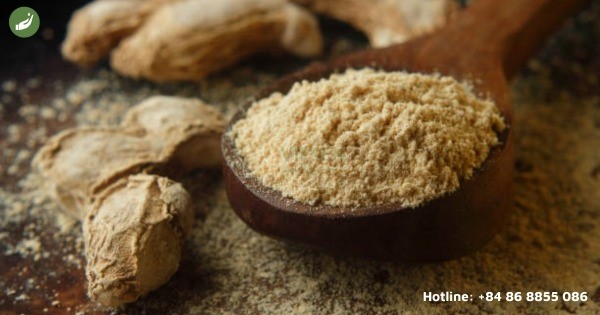
Ginger essential oil has a warm, mildly spicy, and distinctive ginger aroma. It can be combined with citrus, honey, or spice flavors in protein baked goods, nutrition bars, and functional beverages.
It is important to distinguish the aroma of ginger essential oil from the pungent, warming sensation primarily associated with less volatile compounds naturally present in ginger.
Litsea Cubeba Essential Oil (Litsea cubeba)
Litsea cubeba essential oil has a bright, fresh lemon-like aroma, commonly associated with its high citral content.
It offers potential for developing citrus flavor profiles in protein beverages, nutrition bars, and snack products. However, its compatibility, stability, and permitted usage levels must be carefully evaluated.
Cassia Essential Oil (Cinnamomum cassia)
Cassia essential oil has a rich, warm, and sweet-spicy aroma, making it suitable for developing cinnamon, apple-cinnamon, spiced bakery, nutrition bar, and cereal flavor profiles.
Its cinnamaldehyde content and other relevant constituents must be controlled in accordance with applicable food safety requirements.
Star Anise Essential Oil (Illicium verum)
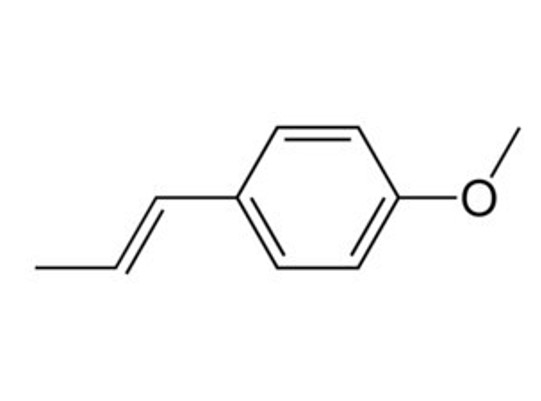
Star anise essential oil has a characteristic sweet, licorice-like aroma and is typically rich in trans-anethole.
It may be explored in spiced baked goods, cereal products, and foods featuring anise-inspired flavor profiles. Due to its strong aromatic intensity, dosage should be carefully controlled.
Sweet Orange Essential Oil (Citrus sinensis)
Sweet orange essential oil has a bright, sweet, and characteristic orange peel aroma, with limonene typically being its predominant constituent. It is one of the widely used citrus flavoring ingredients in the food and beverage industry.
In high-protein and high-fiber foods, sweet orange essential oil can be explored for flavor development in protein beverages, nutrition bars, cookies, breakfast cereals, and desserts.
Orange flavors can be combined with chocolate, vanilla, or spices to create harmonious flavor profiles while potentially helping reduce the prominence of certain undesirable ingredient-derived aroma notes.
Lemon Essential Oil (Citrus limon)
Lemon essential oil is characterized by its fresh, light, and vibrant citrus aroma. It typically contains limonene, β-pinene, γ-terpinene, and smaller amounts of other compounds that contribute to its distinctive lemon character.
Thanks to its bright citrus profile, lemon essential oil offers potential applications in plant-based protein beverages, high-protein yogurt, nutrition bars, and baked goods.
Lemon flavors can also be combined with ginger, mint, or other fruits to create a refreshing sensory experience and improve the overall balance of a product’s flavor profile.
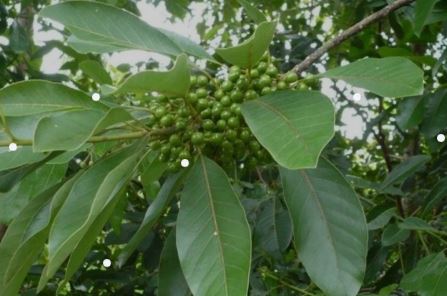
Basil Essential Oil (Ocimum basilicum)
Basil essential oil exhibits diverse aroma profiles depending on the plant variety and chemical type (chemotype).
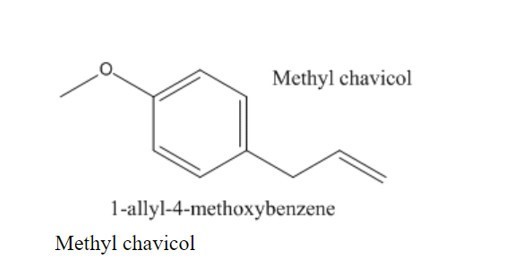
Some varieties are characterized by fresh, green, herbal notes, while methyl chavicol (estragole)-rich chemotypes typically have sweet, spicy, anise-like aromas.
In the development of high-protein and high-fiber foods, basil essential oil may be explored for savory baked goods, high-protein snacks, sauces, grain-based foods, and herbal-style beverages.
For estragole-rich basil oils, particular attention should be paid to the composition, toxicological considerations, and applicable food flavoring regulations in the target market.
Cornmint Essential Oil (Mentha arvensis)
Cornmint essential oil has a strong, recognizable, and refreshing mint aroma. Menthol and menthone are among its important constituents. Menthol also produces a cooling sensation through its interaction with the cold-sensitive TRPM8 receptor.
In the food industry, mint essential oils can be used to develop flavor profiles such as chocolate-mint, vanilla-mint, and mint-fruit combinations.
For high-protein and high-fiber foods, cornmint essential oil may be explored in protein bars, nutritional beverages, cookies, and desserts.
Its refreshing mint aroma can enhance the sensory experience while potentially helping balance certain undesirable aroma notes in finished products.
Key Considerations When Using Natural Essential Oils to Improve Flavor in High-Protein and High-Fiber Foods
To effectively incorporate natural essential oils into nutrient-enriched foods, manufacturers need to evaluate several factors simultaneously, including aroma profiles, food matrix characteristics, processing conditions, and food safety requirements.
Selecting Essential Oils Based on Target Flavor Profiles
The first step is to define the desired flavor characteristics of the product rather than selecting essential oils solely based on their aromatic intensity.
For example, when developing cereal-based protein bars, formulators may explore cinnamon, ginger, mint, or basil notes to create distinctive flavor profiles, including warm and rich sensory characteristics.
For plant-based protein beverages, citrus, mint, and litsea cubeba essential oils may be investigated to create refreshing flavor profiles and reduce the prominence of undesirable ingredient-derived aromas.
However, all flavor combinations should be validated through sensory testing, as not every combination will deliver the desired results.
Controlling Flavor Dispersion and Stability
In protein beverages, pure essential oils generally do not disperse uniformly in water. Therefore, manufacturers may need to use food-grade emulsion systems or specially formulated water-dispersible flavor preparations.
For baked goods and nutrition bars, flavor encapsulation technology may be considered to minimize aroma losses during processing and storage.
However, the effectiveness of encapsulation depends on the encapsulating materials, essential oil composition, temperature, and processing conditions. Not all encapsulated essential oils provide the same level of heat resistance.
Evaluating Sensory Quality and Finished Product Performance
A comprehensive flavor development process should include sensory evaluations of both control formulations and experimental samples containing essential oils.
Key sensory attributes to monitor include:
- Intensity of undesirable ingredient-derived aromas.
- Characteristic flavor intensity.
- Bitterness and astringency.
- Lingering aftertaste.
- Mouthfeel and texture.
- Overall consumer liking and acceptability.
In addition to sensory evaluation, manufacturers should assess flavor stability under intended storage conditions, particularly for products with extended shelf lives.
Ensuring Food Safety and Regulatory Compliance
Essential oils intended for use as food flavorings must comply with the applicable regulatory requirements of each target market.
In the European Union, Regulation (EC) No. 1334/2008 establishes requirements for flavorings and certain food ingredients with flavoring properties, including provisions relating to safety and the use of the term “natural.”
In the United States, 21 CFR §182.20 lists certain essential oils, oleoresins, and natural extracts that are generally recognized as safe (GRAS) under their intended conditions of use.
However, the inclusion of an essential oil in this regulation does not mean that every preparation or usage level is automatically permitted.
Before incorporating essential oils into food products, manufacturers should verify their botanical identity, chemical composition, purity, restricted constituents, applicable usage limits, and labeling requirements.

VIPSEN – A Trusted Supplier of Natural Essential Oils from Vietnam
As food manufacturers increasingly prioritize natural flavoring ingredients, reliable supply, and ingredient traceability, choosing an essential oil supplier with strong quality control capabilities has become an important consideration.
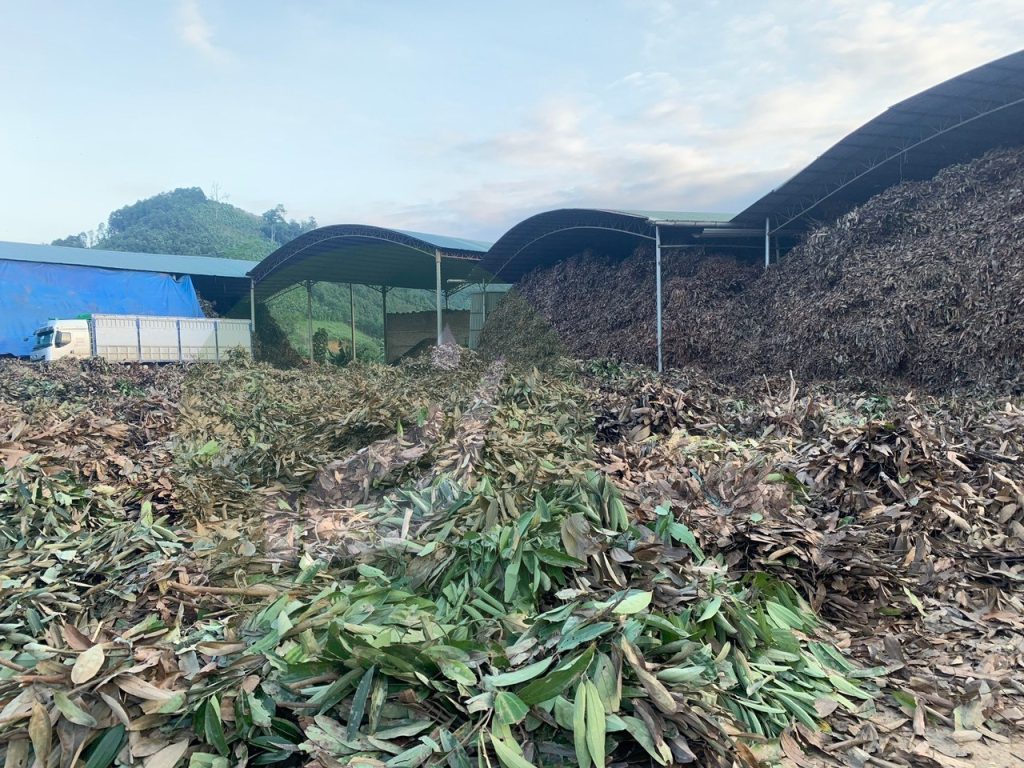
VIPSEN is a manufacturer and supplier of natural essential oils in Vietnam, serving domestic and international customers across the flavor, food, beverage, cosmetics, and related industries.
VIPSEN offers a wide range of essential oils with potential applications in food flavor development, including ginger essential oil, litsea cubeba essential oil, cassia essential oil, star anise essential oil, basil essential oil, and other plant-derived essential oils.
Supply Capabilities and Quality Control
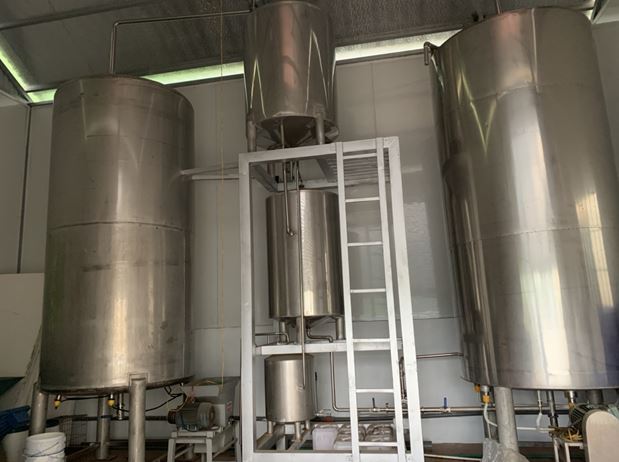
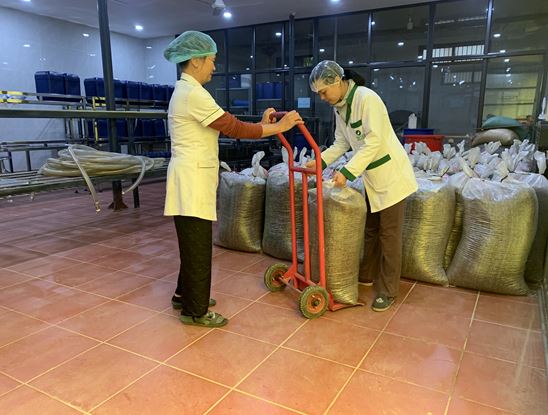
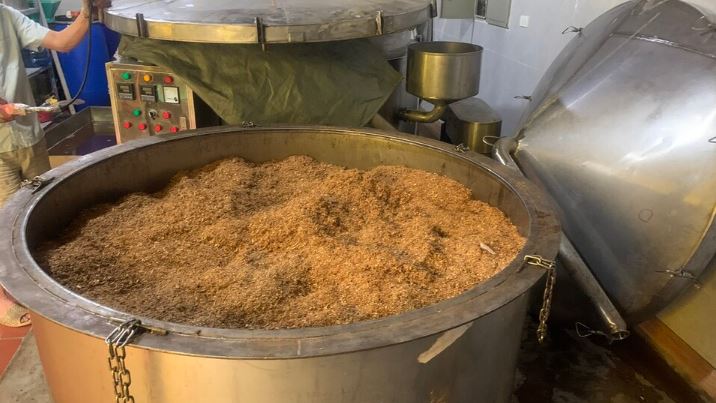
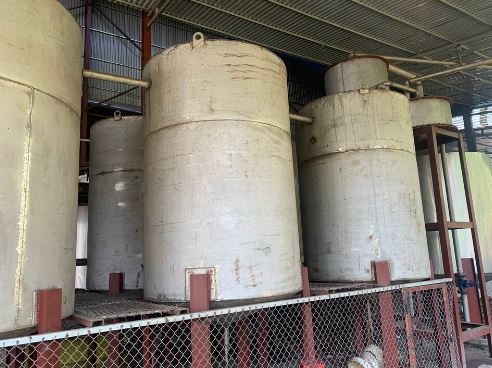
VIPSEN focuses on raw material sourcing, essential oil production, and quality standardization to meet the requirements of B2B customers.
Its quality management practices are supported by GMP Codex, HACCP, and ISO 22000 systems. The chemical composition of essential oils is analyzed using gas chromatography–mass spectrometry (GC-MS) to evaluate their chemical profiles and consistency across production batches.
VIPSEN is committed to supplying natural essential oils with:
- Highly competitive market prices.
- Large-scale production capacity and reliable, uninterrupted supply.
- High and consistent product quality.
- Comprehensive technical documentation and product information.
- Transparent sourcing information and clear batch traceability.
For food flavoring applications, essential oils must be selected based on the specific technical and regulatory requirements of each product.
VIPSEN is committed to providing technical information and supporting documentation to help customers assess ingredient suitability during their research, development, and formulation processes.
Conclusion
The growing market for high-protein and high-fiber foods is creating significant opportunities for innovation in the food industry. However, improving nutritional value must go hand in hand with maintaining appealing flavors, desirable textures, and an enjoyable sensory experience.
Challenges such as beany off-notes, bitterness, astringency, dry mouthfeel, and changes in aroma release require manufacturers to adopt a comprehensive approach to product formulation and development.
In this context, taste modulation, enzyme technology, fermentation, flavor encapsulation, and sensory science play important roles in improving overall product quality.
Natural essential oils offer valuable flavoring options, helping manufacturers develop appealing flavor profiles and balance certain undesirable aroma notes. When carefully selected and combined with appropriate technologies, essential oils can contribute to the development of nutrient-enriched foods that align with evolving consumer trends and preferences, while also supporting effective product positioning and marketing communication.
With extensive experience in manufacturing and supplying natural essential oils in Vietnam, VIPSEN is committed to providing high-quality, consistent, and reliably sourced ingredients with transparent traceability. We aim to be a trusted partner for flavor, food, and beverage manufacturers, supporting their efforts to develop innovative products that meet the increasingly demanding expectations of the global market.
FAQ – Frequently Asked Questions About Flavor Development for High-Protein and High-Fiber Foods
1. How Are Global Trends in High-Protein and High-Fiber Foods Evolving?
The market is shifting from products primarily designed for sports nutrition toward a broader range of nutrient-enriched foods for mainstream consumers, including protein beverages, nutrition bars, baked goods, breakfast cereals, yogurt, and snacks.
Beyond increasing protein and fiber content, manufacturers are also focusing on sugar reduction, plant-based proteins, gut health, portion control, and clean-label foods.
A key trend is the development of products that meet multiple consumer needs simultaneously: high nutritional value, reduced sugar content, appealing flavors, convenience, and transparent ingredient sourcing.
However, nutritional claims such as “high protein,” “high fiber,” or “low sugar” must comply with the applicable regulatory criteria in each target market.
2. What Do Consumers Prioritize When Choosing Protein- and Fiber-Enriched Foods?
Consumers are increasingly looking for products that combine nutritional value, appealing flavor, convenience, and ingredient transparency.
Key considerations include appropriate protein content, added dietary fiber, reduced sugar, naturally sourced ingredients, easy-to-understand ingredient lists, and the ability to meet individual nutritional needs.
In particular, the clean-label trend is encouraging manufacturers to explore natural flavorings, reduce unnecessary additives, and improve ingredient traceability.
However, flavor and texture remain essential factors influencing the consumer experience and repeat purchases. A product may offer an attractive nutritional profile, but unpleasant flavors or undesirable textures can make it difficult to maintain consumer acceptance.
3. What Are the Biggest Challenges in Flavor Development for High-Protein and High-Fiber Foods?
The greatest challenge is maintaining appealing flavors and desirable product textures while increasing nutritional ingredient content.
Plant-based proteins, particularly pea and soy proteins, may introduce beany, grassy, bitter, or astringent notes. Hydrolyzed proteins can also generate bitter peptides.
Meanwhile, dietary fibers such as inulin, β-glucan, and cellulose can alter viscosity, water retention, product structure, and the release rates of volatile aroma compounds.
Additionally, interactions between proteins, dietary fiber, fats, and flavor molecules may affect perceived flavor intensity.
Therefore, manufacturers must not only select suitable flavoring ingredients but also optimize the entire formulation and processing conditions.
4. Why Does Sugar Reduction Create Additional Flavor and Texture Challenges in High-Protein and High-Fiber Foods?
Sugar contributes more than sweetness. In many food products, it also plays an important role in structure development, moisture retention, browning reactions, and flavor balance.
When sugar content is reduced, bitterness, astringency, and undesirable protein-derived flavors may become more noticeable.
In baked goods and nutrition bars, sugar reduction can also affect softness, moisture retention, color, and texture. In protein beverages, alternative sweeteners may produce different sweetness profiles or lingering aftertastes compared with sugar.
Therefore, effective sugar reduction requires more than simply replacing sweeteners. It often involves redesigning both the flavor system and product structure.
Potential solutions include sweetness modulation, bulking agents, enzyme technology, functional dietary fibers, and appropriate flavoring systems.
5. What Modern Technologies Can Improve Flavor and Sensory Quality in High-Protein and High-Fiber Foods?
Modern solutions typically combine several technologies, including taste masking, taste modulation, enzyme technology, fermentation, and flavor encapsulation.
Taste masking helps reduce the perception of bitterness, astringency, and unpleasant aftertastes.
Taste modulation supports a more balanced taste profile, particularly in high-protein and low-sugar products.
Enzyme technology and fermentation can improve ingredient functionality and sensory properties, while flavor encapsulation helps protect certain volatile aroma compounds and control their release.
The most effective results are generally achieved when these technologies are combined with chemical analysis, sensory evaluation, and testing in finished food products.
6. Which Natural Essential Oils Have Potential Applications in Flavor Development for High-Protein and High-Fiber Foods?
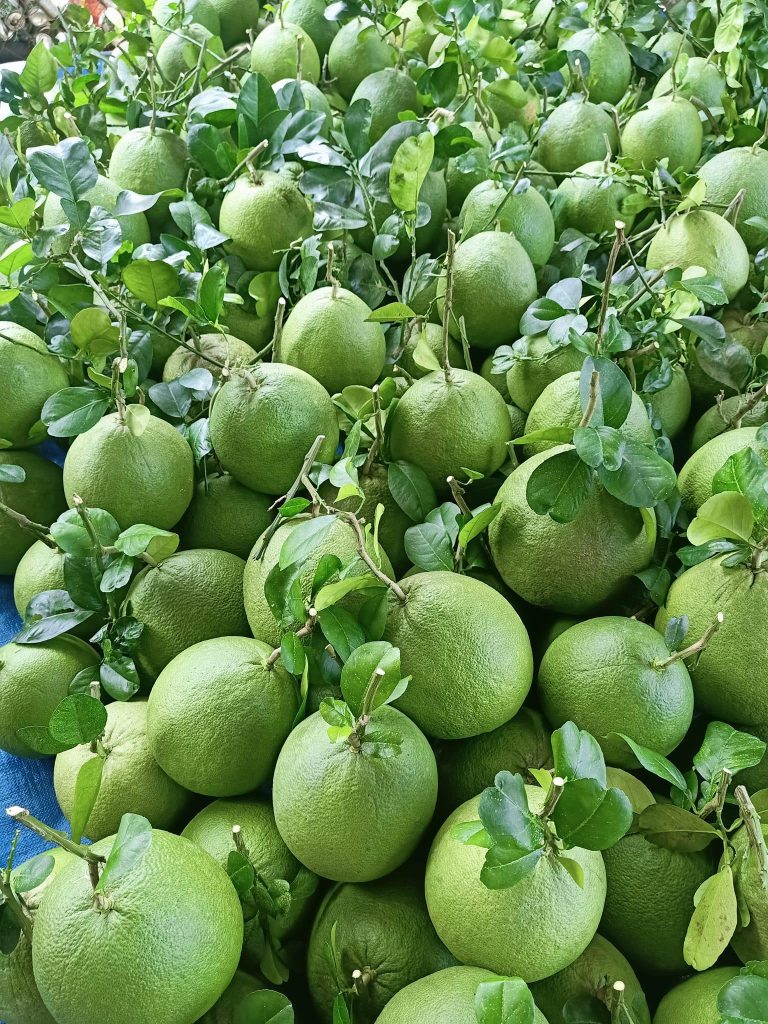
Several natural essential oils offer potential applications, including orange essential oil, lemon essential oil, pomelo peel essential oil, ginger essential oil, litsea cubeba essential oil, cassia essential oil, star anise essential oil, mint essential oil, and basil essential oil.
Orange, lemon, and litsea cubeba essential oils can be explored for developing bright citrus flavor profiles in protein beverages and nutrition bars.
Ginger, cassia, and star anise essential oils offer warm, spicy aroma profiles suitable for baked goods, cereals, and nutritional products.
Mint essential oil has potential in chocolate-mint formulations, while basil essential oil can provide distinctive herbal notes for savory products.
These essential oils primarily serve as flavoring ingredients that help create distinctive aroma profiles and support overall sensory balance. They do not automatically eliminate bitterness or astringency.
Their effectiveness must be validated through practical formulation trials, and their use must comply with applicable food safety regulations, particularly for naturally occurring constituents subject to restrictions, such as estragole in certain basil essential oil chemotypes.
7. How Can Manufacturers Manage Ingredient Price Volatility While Maintaining Product Quality?
Prices of dairy proteins, plant-based proteins, cocoa, eggs, cereals, and functional ingredients can fluctuate due to supply conditions, energy costs, climate factors, and market demand.
To manage costs, manufacturers can explore blending different protein sources, selecting dietary fibers with suitable functional properties, optimizing ingredient concentrations, and applying enzyme technology to improve formulation efficiency.
Taste modulation technologies and natural flavoring ingredients may also help maintain the desired sensory profile when ingredient ratios or sourcing arrangements change.
However, ingredient substitution requires a comprehensive assessment of protein quality, nutritional value, functional properties, safety, labeling requirements, and sensory acceptance.
Reducing ingredient costs is only truly effective when the finished product maintains its quality and competitiveness in the market.
8. How Will AI, Biotechnology, and Flavor Science Shape the Future of Nutrient-Enriched Foods?
Artificial intelligence (AI), biotechnology, and flavor science are creating new opportunities for research and development in high-protein and high-fiber foods.
AI can support ingredient data analysis, predict interactions between formulation components, screen potential formulations, and analyze sensory evaluation results.
Biotechnology, including precision fermentation, microbial fermentation, and enzyme-based bioconversion, has the potential to produce or improve nutritional ingredients and flavor compounds.
Meanwhile, flavor science combines GC-MS analysis, research into interactions between aroma molecules and food matrices, and sensory evaluation methods to better understand how consumers perceive food products.
The integration of these technologies may help manufacturers shorten development cycles, optimize costs, and create nutrient-enriched foods with reduced sugar content, appealing flavors, and formulations aligned with clean-label trends.
However, predictive models and technological solutions must still be validated through practical testing, safety assessments, and finished product quality evaluations.
Contact VIPSEN today for consultation and product samples!
Phone / WhatsApp / Zalo / WeChat / Kakao Talk / LINE / Skype / Viber: +84 868 855 086
Email: info@vipsen.vn
Office address: D7-TT9, Foresa Street, Xuan Phuong Urban Area, Xuan Phuong Ward, Nam Tu Liem District, Hanoi, Vietnam
Essential oil production facility: Bai Dai Area, Tien Xuan Commune, Thach That District, Hanoi, Vietnam
Share this article with your friends
Help your friends absorb interesting knowledge from VIPSEN


Related articles