Tamanu Oil and Refined Tamanu Oil: Differences and Applications in Beauty and Skincare


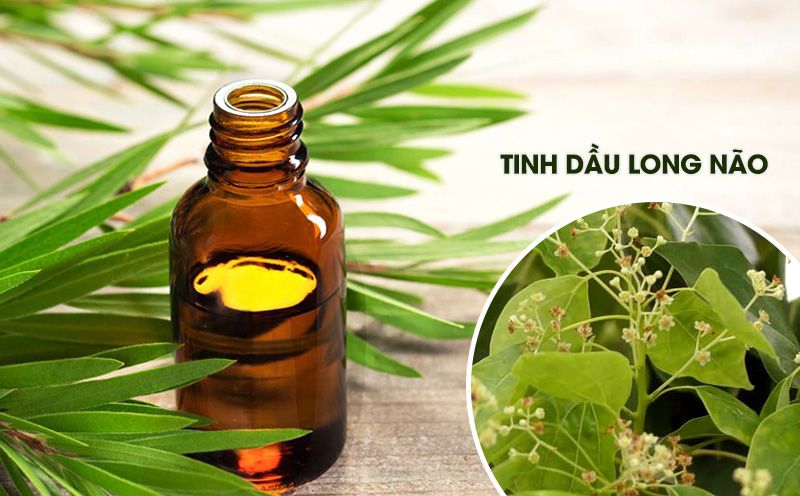
Tamanu oil (Calophyllum inophyllum), often referred to as “tamanu oil,” is a valuable natural oil with numerous benefits for health and skin. In the market, tamanu oil is available in two primary forms: tamanu oil and refined tamanu oil, each with distinct characteristics and applications. Let’s explore the similarities and differences between these two types of oil and how they are applied in beauty and skincare.

1. Characteristics of Tamanu Oil and Refined Tamanu Oil
- Color and Scent
Tamanu Oil:
This has a deep green or brownish-green color and a strong, characteristic scent, which can be somewhat pungent and intense. Raw tamanu oil retains its natural compounds, giving it the distinctive aroma of tamanu seeds.
Refined Tamanu Oil:
After undergoing a refining process to remove waxes and resins, refined tamanu oil typically has a light yellow color and a milder fragrance. Its lighter texture and more pleasant aroma make it easier to blend with other ingredients in cosmetics.
- Composition
Tamanu Oil:
Rich in natural compounds such as Calophyllolide and Inophyllolide, known for their powerful anti-inflammatory, antibacterial, and antioxidant properties. It also contains a high concentration of fatty acids like oleic and linoleic acids, which help nourish and regenerate the skin.
Refined Tamanu Oil:
During the refining process, some of the anti-inflammatory and antioxidant compounds like Calophyllolide and Inophyllolide may be reduced, leaving the oil primarily composed of fatty acids with moisturizing and soothing effects. Thus, refined oil is suitable for those seeking reduced scent and a lightweight moisturizing product for the skin.
- Solidification Temperature
Tamanu Oil:
Easily transitions to a solid state at around 15–20°C due to its natural wax and resin content.
Refined Tamanu Oil:
With most wax and resin components removed, refined tamanu oil can remain in a liquid state at lower temperatures, typically around 10-15°C.

2. Uses of Tamanu Oil and Refined Tamanu Oil
- Anti-inflammatory and Antibacterial Properties
Tamanu Oil:
With its high Calophyllolide content, tamanu oil is an excellent choice for reducing inflammation and providing natural antibacterial effects. These qualities make raw tamanu oil a highly effective ingredient in products targeting acne treatment, wound healing, and skin recovery.
Refined Tamanu Oil:
Although its antibacterial and anti-inflammatory properties are reduced, refined oil still offers moisturizing and soothing effects, helping to maintain soft, healthy skin.
- Antioxidant Protection and UV Defense
Tamanu Oil:
The antioxidants in raw tamanu oil help protect the skin from free radical damage and other aging factors, as well as supporting natural UV absorption (with an SPF of around 18–22).
Refined Tamanu Oil:
The antioxidant and UV-protective effects are diminished due to the refining process, which removes some of its natural components. Refined oil is less commonly used as a sunscreen ingredient and is primarily included in moisturizing and skin-softening products.
- Moisturizing and Skin Regeneration
Tamanu Oil:
Provides deep hydration, supports cell regeneration, helps fade scars and dark spots, and keeps skin firm and healthy.
Refined Tamanu Oil:
Lighter and faster-absorbing, making it ideal for sensitive skin and daily moisturizing products.

3. Practical Applications of Tamanu Oil and Refined Tamanu Oil
- Tamanu Oil
Skin Treatment Products:
Ideal for products that target acne, scars, and inflammation due to its strong antibacterial, anti-inflammatory, and antioxidant properties.
Cosmeceuticals:
Commonly used in scar creams and therapeutic massage oils, aiding in the repair and regeneration of damaged skin.
Natural Sunscreen:
Can be used as a supplementary ingredient in sun protection products due to its natural UV absorption ability, supporting and reducing the need for synthetic sunscreen components.
- Refined Tamanu Oil
Daily Skincare:
Suitable for creams, serums, and lotions due to its light texture and non-irritating nature, making it ideal for sensitive skin.
Makeup Products:
The refined oil’s light color and mild scent make it easy to blend with other ingredients in cosmetics.
Hair and Scalp Care:
With its gentle moisturizing properties, refined tamanu oil is an ideal component in hair oils, helping to keep hair shiny and the scalp soft.
—
Conclusion
Both raw and refined tamanu oil have their own unique value, suited for specific applications in health and beauty care. Raw tamanu oil is an optimal choice for intensive skin treatment products due to its natural compounds with strong antibacterial and antioxidant properties. Meanwhile, refined tamanu oil’s light texture and fast absorption make it ideal for daily skincare and haircare products.

4. Tamanu Oil Produced by VIPSEN – An Exceptional Ingredient for Skincare Products
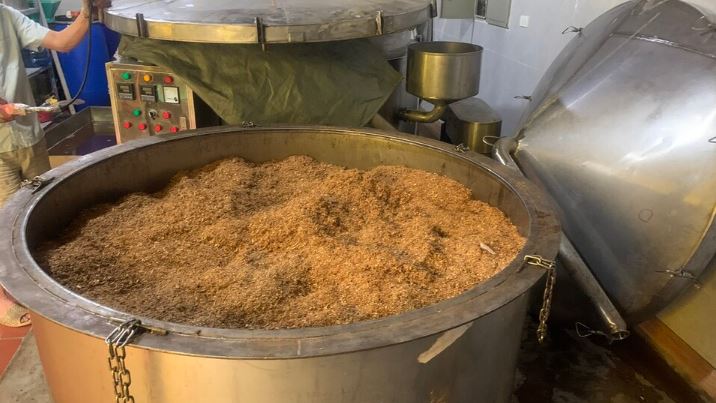
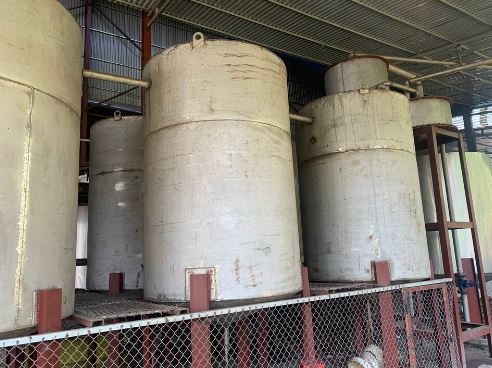
Tamanu oil produced by VIPSEN is of superior quality, thanks to a meticulous selection process that meets VIPSEN’s own standards, sourcing from renowned cultivation regions in Vietnam such as Vinh Long, Phu Yen, Khanh Hoa, and Binh Thuan, where ideal natural conditions support tamanu growth. VIPSEN’s production and refining processes are strictly controlled from harvesting, oil extraction to storage, ensuring high purity and a rich profile of natural nutrients. VIPSEN’s tamanu oil is high in Calophyllolide, delivering optimal benefits in the cosmetic, skincare, and beauty industries by providing precious nutrients that effectively nourish and regenerate the skin. Additionally, VIPSEN’s tamanu oil and production facilities meet international standards, including GMP, HACCP, and ISO22000, ensuring the highest quality and safety in every drop.
For further details, please contact:
Phone/WhatsApp/Zalo/Wechat/Kakao Talk/LINE/Skype/Viber: +84 868 855 086
Email: Info@Vipsen.vn
Address: D7-TT9, Forosa Road, Xuan Phuong New Urban Area, Xuan Phuong, Nam Tu Liem, Hanoi, Vietnam
Essential Oil Factory Address: Bai Dai, Tien Xuan, Thach That, Hanoi
Agricultural Product Processing Factory Address: Thu Do, An Tuong, Vinh Tuong, Vinh Phuc
Share this article with your friends
Help your friends absorb interesting knowledge from VIPSEN


Related articles