Vietnamese Basil – A Native Plant Rich in Value

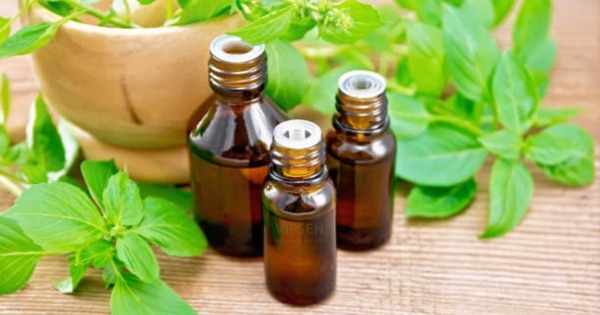
Vietnamese basil, commonly known as Ocimum basilicum L., belongs to the Lamiaceae family. This familiar herb is widely used in traditional Vietnamese cuisine and folk medicine. Beyond its culinary and medicinal uses, Vietnamese basil is also a valuable source of essential oil—particularly Methyl Chavicol basil oil—which finds wide application in the food, cosmetics, and fragrance industries.
Morphological Characteristics of Vietnamese Basil
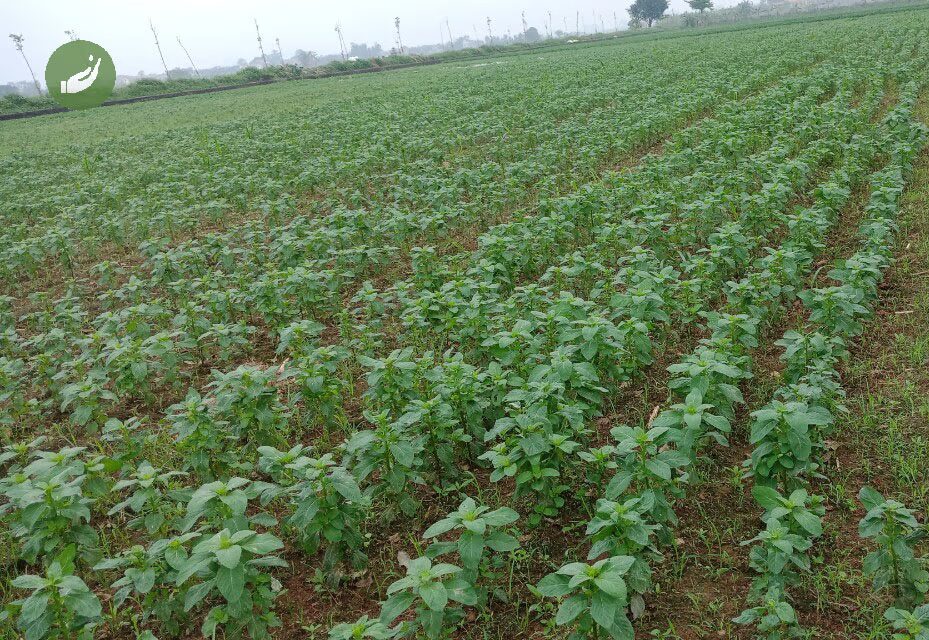
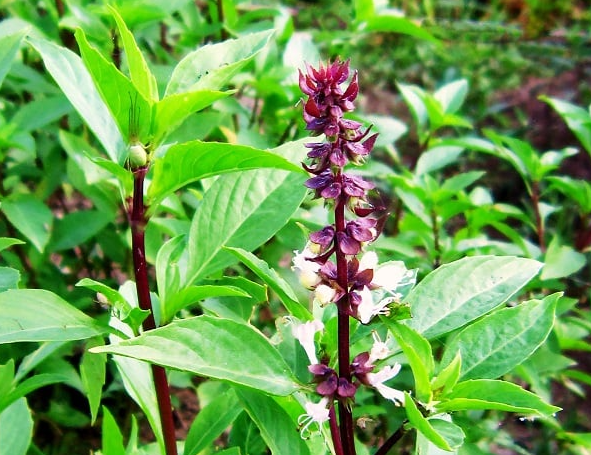
In Vietnam, basil is a short-lived herbaceous plant, typically growing to a height of 40–60 cm, with light purple or green stems that often branch out from the base.
- Leaves: Opposite, elongated elliptic shape, smooth surface, bright green color.
- Flowers: Small, clustered at the tips of branches, purple in color, with a distinctive aroma.
- Fruits: Contain numerous glossy black seeds.
Vietnamese basil contains about 0.6–0.8% essential oil, with the highest oil yield obtained during the flowering stage.

Growth Characteristics of Vietnamese Basil
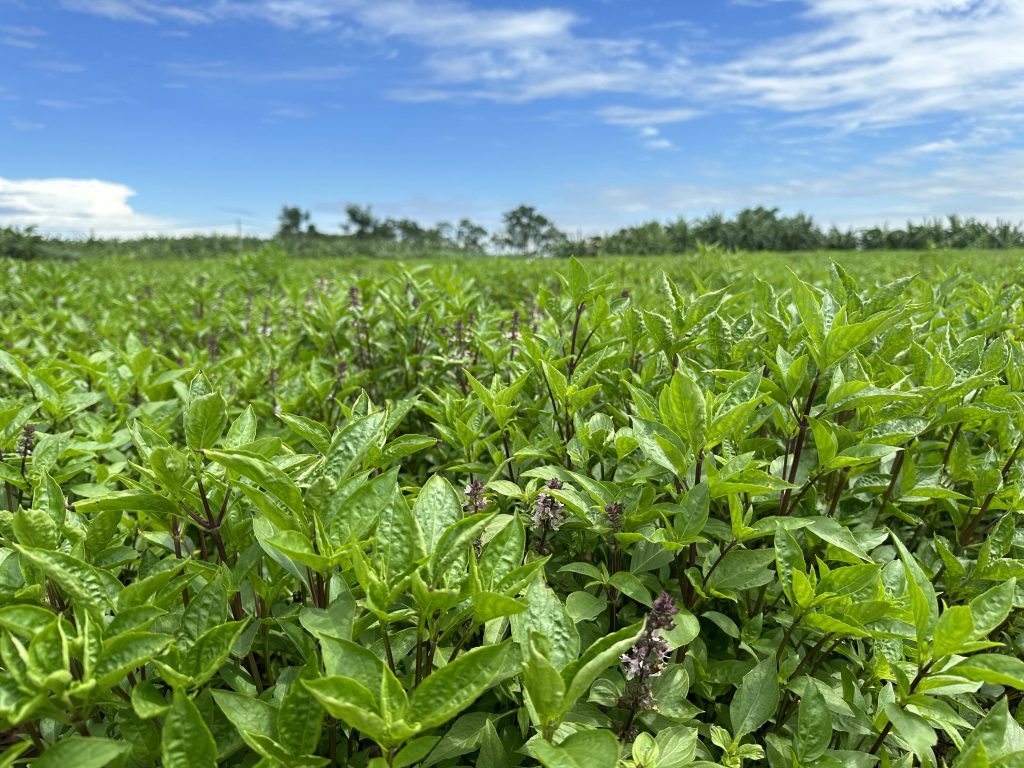
Basil thrives in full sun and grows well in tropical monsoon climates. In Vietnam, it is mainly cultivated from December through February of the following year.
- Optimal temperature: 25–35°C
- Sunlight: Requires full sun for optimal growth
- Growth duration: Harvested at 50–60 days (for culinary/medicinal use) or after 90 days (for essential oil production)
- Strong regeneration after harvest: Thanks to the development of axillary buds and meristematic tissues, basil can be harvested multiple times a year, with 25–35 day intervals.
Vietnamese basil is easy to cultivate and adaptable to various soil types, particularly alluvial soils and well-drained loamy soils. Depending on the growing region, the Methyl Chavicol content can vary, but typically exceeds 75%.
Applications of Basil in Vietnamese Daily Life
Basil is deeply integrated into Vietnamese culinary traditions and folk medicine:
1. Culinary
- A must-have fresh herb served with pho, bun, hot pots, grilled meats, salads, etc.
- Popular in salads, tomato-based sauces, and fusion dishes.
- Used in detox drinks, herbal teas, smoothies, and cocktails for its refreshing aroma.
2. Medicinal
- In traditional medicine, basil is known to dispel cold, reduce phlegm, ease coughs, and support digestion.
- Often used to treat colds, fevers, headaches, sinusitis, rheumatism, and intestinal worms.
3. Essential oil extraction
- In Vietnam, basil is also harvested for steam distillation, producing high-value essential oil used in cosmetics, pharmaceuticals, and food & beverage applications.

Overview of Methyl Chavicol Basil Oil
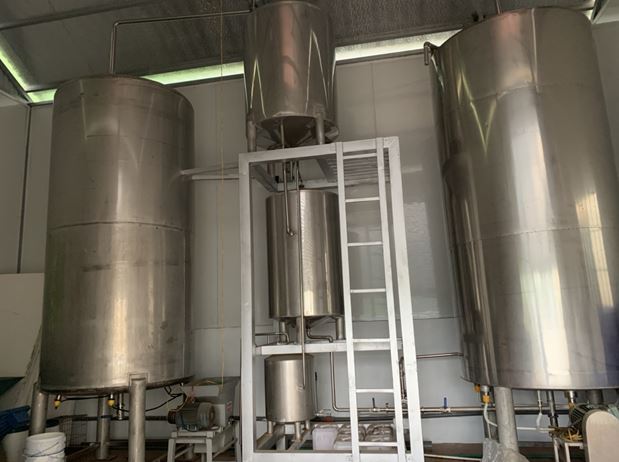
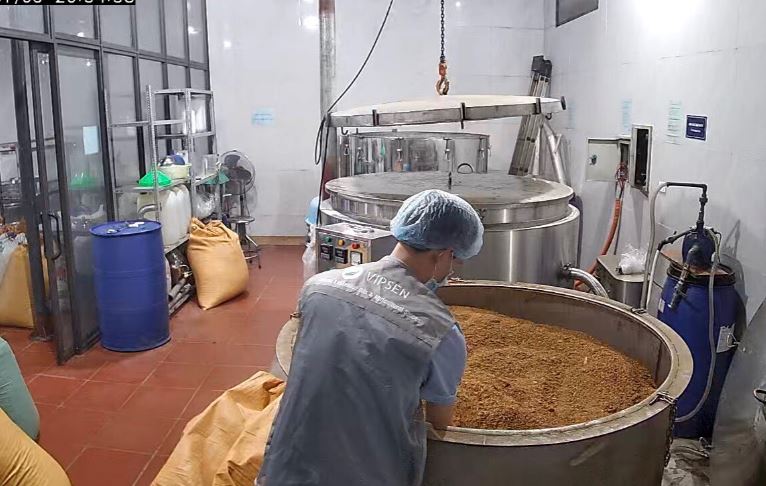
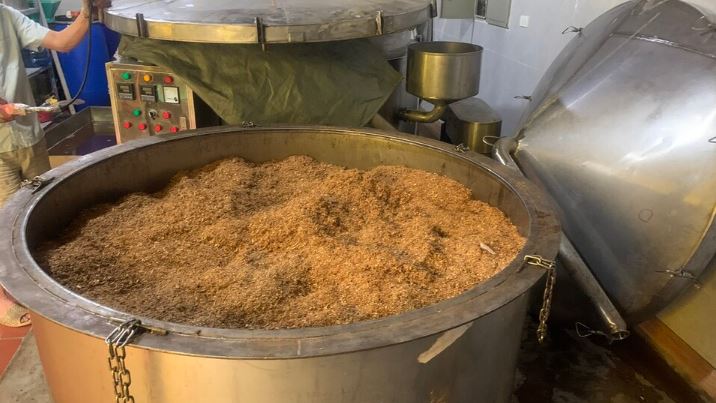
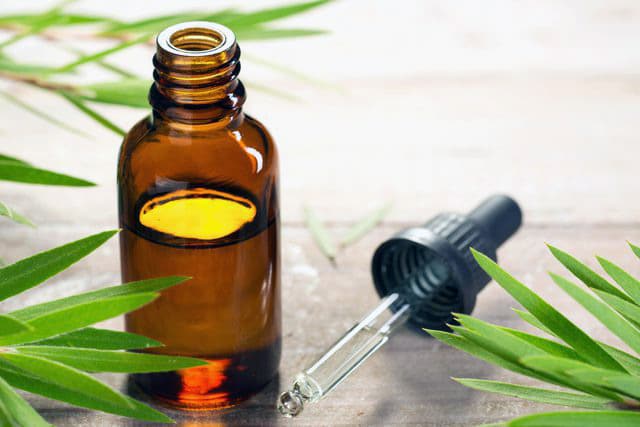
Methyl Chavicol basil oil is extracted via steam distillation from the stems, leaves, and flowers of the plant. The oil is a liquid with a light yellow to amber color and a distinctively sharp, herbaceous aroma typical of Vietnamese basil.
1. Main components
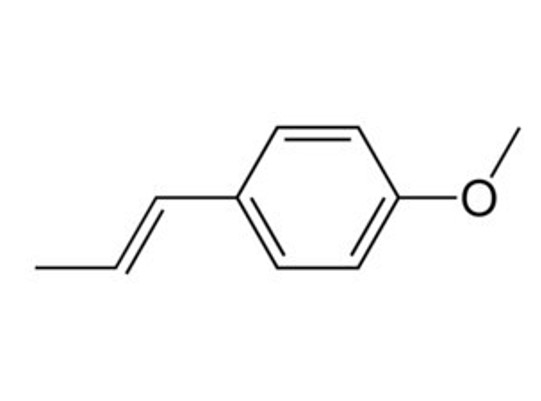
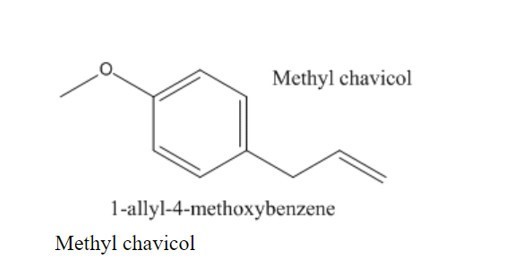
- Methyl Chavicol (Estragole): ≥ 75%
- Other compounds: linalool, cineole, eugenol, limonene, etc.
2. Physical properties
–Specific gravity: 0.948 – 0.970
Refractive index: 1.510 – 1.520
Optical rotation at 20°C: from -1° to +2°
Solubility: Insoluble in water, soluble in alcohol and organic solvents
3. Applications
- Food industry: Flavoring agent in sauces, liquid seasonings, and spice extracts
- Cosmetics & pharmaceuticals: Antibacterial, anti-inflammatory, acne treatment, soothing skin, hair care, fragrance formulation
- Aromatherapy: Relaxation, stress relief, sleep support, air freshening

4. Development & Export Potential
Vietnam is currently among the leading exporters of Methyl Chavicol basil essential oil, with an annual export volume of approximately 20–30 tons, primarily to European and North American markets. As the global demand for organic and natural ingredients continues to grow, Vietnamese basil (Methyl Chavicol rich variety)is well-positioned to gain further recognition in the global essential oil industry.
Methyl Chavicol Basil Oil by VIPSEN
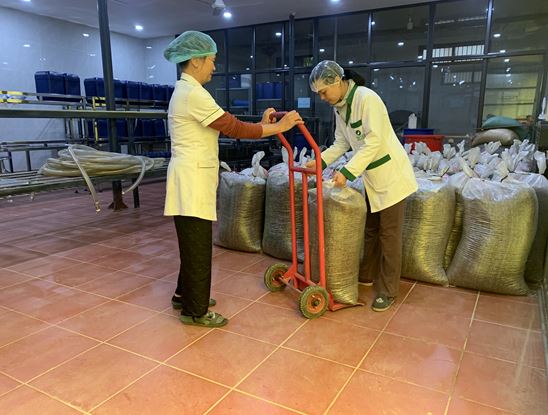
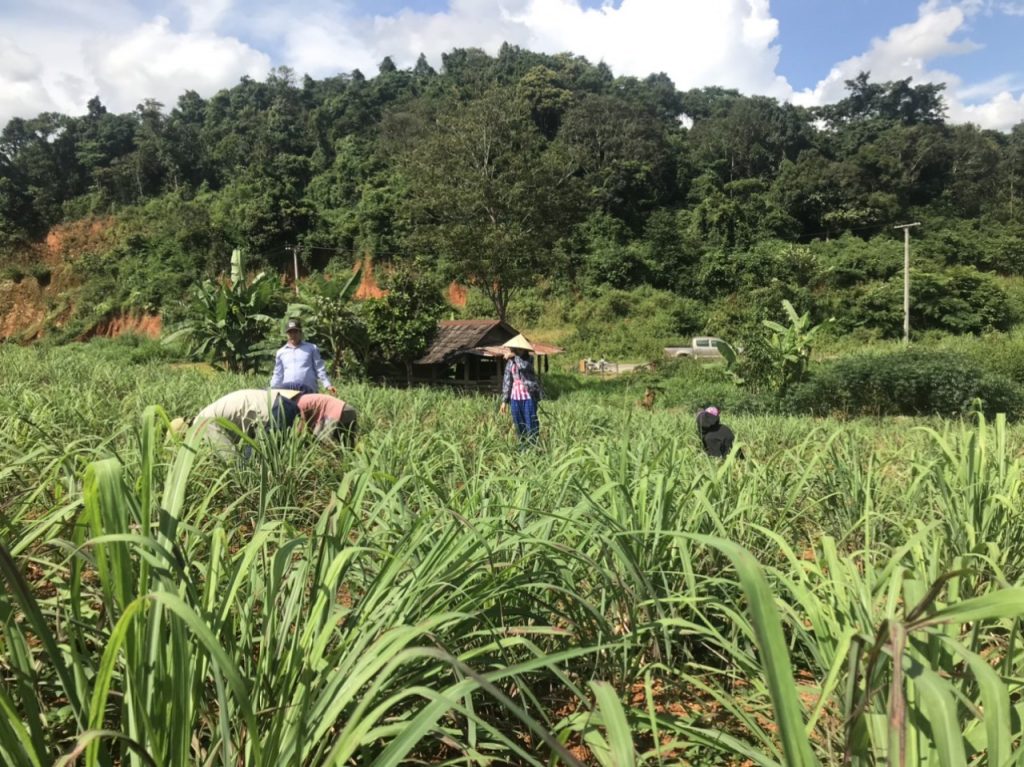
At VIPSEN, we take pride in being a trusted supplier of Vietnamese basil oil, with controlled cultivation zones in Hanoi, Ha Nam, and Ninh Binh. Our basil is grown using sustainable and eco-friendly practices, ensuring a clean and stable source of raw materials.
VIPSEN’s Methyl Chavicol basil essential oil features:
- Methyl Chavicol content >75%
- Produced via steam distillation, following GMP, ISO 22000, and HACCP-certified processes
- Rigorously tested by our in-house QA/QC laboratory before shipment
We are ready to support partners in R&D, custom product development, and bulk supply that meets international quality standards.
Conclusion
Vietnamese basil is a plant of exceptional value—bridging traditional cuisine, folk medicine, and modern essential oil production. With its high Methyl Chavicol content, Vietnamese basil essential oil is increasingly favored in the food, cosmetic, and pharmaceutical industries. Investing in research, cultivation techniques, and regional development is key to enhancing the value of this native crop and strengthening Vietnam’s position in the global essential oil market.
With proven production experience and tightly controlled raw material sources, VIPSEN is committed to delivering high-quality Methyl Chavicol basil oil for both domestic and international markets—reliably and sustainably.
VIPSEN Contact Information:
Phone / WhatsApp / Zalo / WeChat / Kakao Talk / LINE / Skype / Viber: +84 868 855 086
Email: info@vipsen.vn
Office address: D7-TT9, Foresa Street, Xuan Phuong Urban Area, Xuan Phuong Ward, Nam Tu Liem District, Hanoi, Vietnam
Essential oil production facility: Bai Dai Area, Tien Xuan Commune, Thach That District, Hanoi, Vietnam
Agricultural processing facility: Thu Do Hamlet, An Tuong Commune, Vinh Tuong District, Vinh Phuc Province, Vietnam
Share this article with your friends
Help your friends absorb interesting knowledge from VIPSEN


Related articles